Neuralinko
Neuralinko
Neuralinko
In the modern cloud computing era, the performance bottlenecks of high-density virtualization, Large Language Model (LLM) training, and massive database deployments have shifted. While processing cores and accelerated GPU chips remain essential, system reliability and data throughput are fundamentally governed by Server Random Access Memory (RAM). Enterprise environments require memory modules capable of continuous, error-free operation under rigorous thermal envelopes. To select the right Server RAM manufacturers and factories, procurement managers, system architects, and hardware engineers must look beyond basic pricing and evaluate complete packaging technologies, quality control processes, and long-term ecosystem stability.
Information Gain Insight: Unlike consumer memory, which prioritizes raw speed and manual overclocking headroom, enterprise-grade Server RAM focuses on signal integrity, thermal dissipation margins, and hardware-level error mitigation (such as advanced ECC and chipkill technologies).
The transition from DDR4 to DDR5 marks a significant structural evolution in data transmission efficiency. Traditional DDR4 systems, operating at speeds of up to 3200 MT/s, rely on a single 72-bit channel (64 bits of data plus 8 bits of ECC metadata) per module. DDR5 introduces a dual-channel architecture per DIMM, splitting the interface into two independent 32-bit subchannels (each with its own 8-bit ECC allowance, resulting in a 40-bit subchannel width). This change significantly reduces bus contention and improves access efficiency for high-core-count processors, such as Intel Xeon Scalable and AMD EPYC families.
Furthermore, DDR5 shifts the Power Management Integrated Circuit (PMIC) from the server motherboard directly onto the memory module itself. This structural migration allows for more granular power regulation, lowering nominal operating voltage from DDR4's 1.2V to DDR5's 1.1V. In massive scale data centers housing thousands of nodes, this 0.1V reduction translates directly into significant energy savings and decreased heat generation.
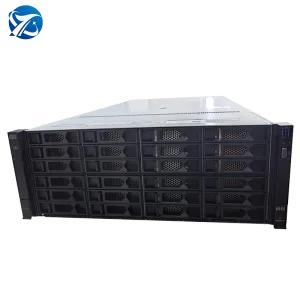
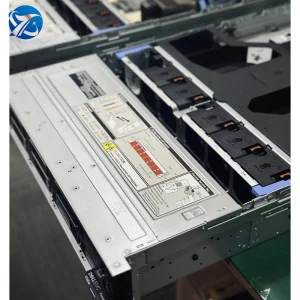
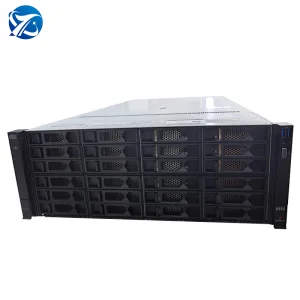
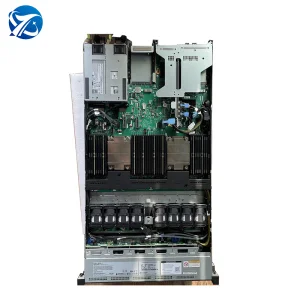
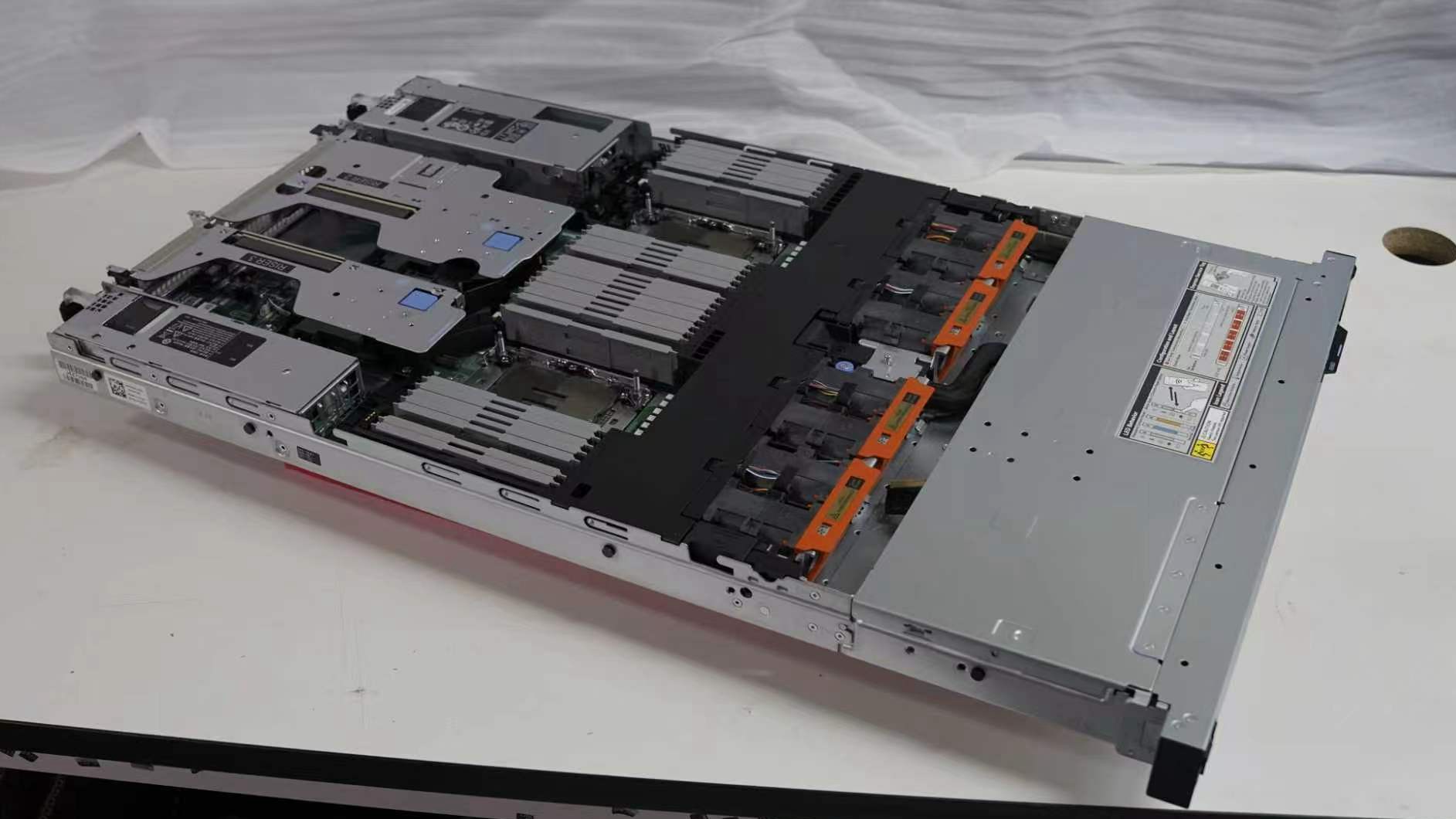
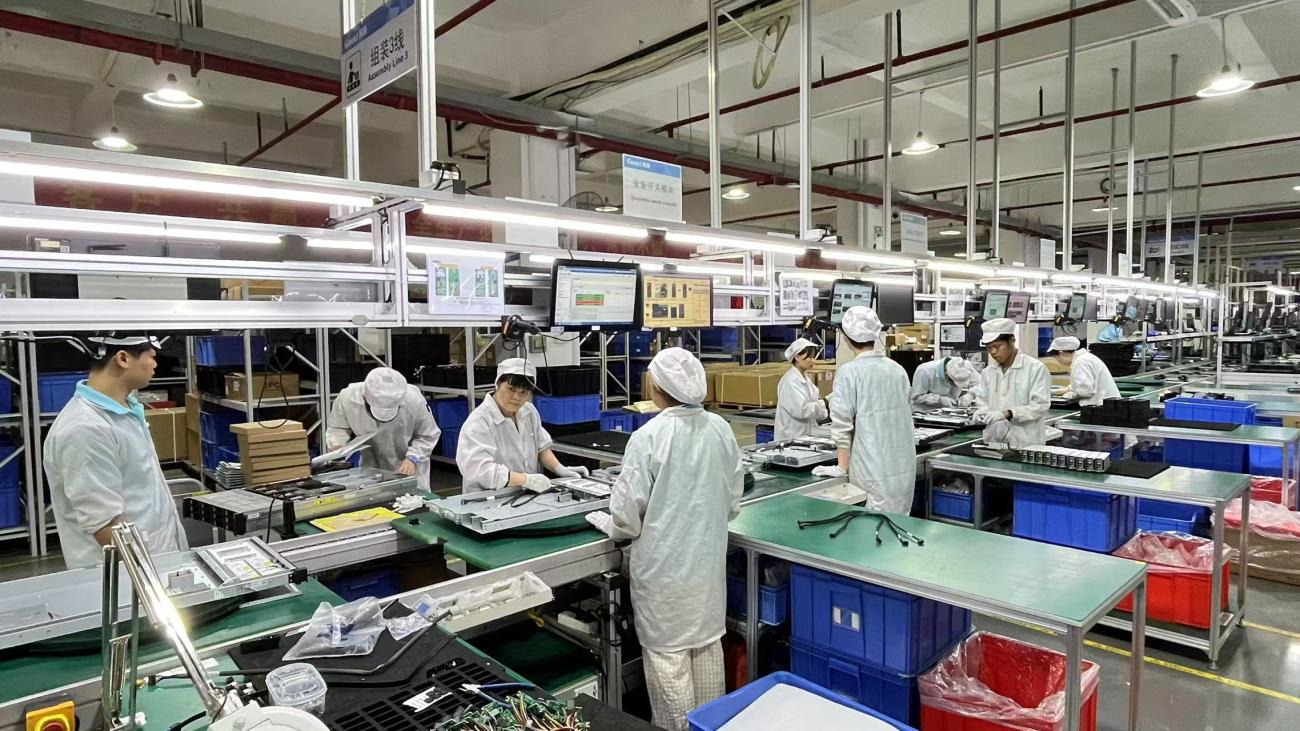
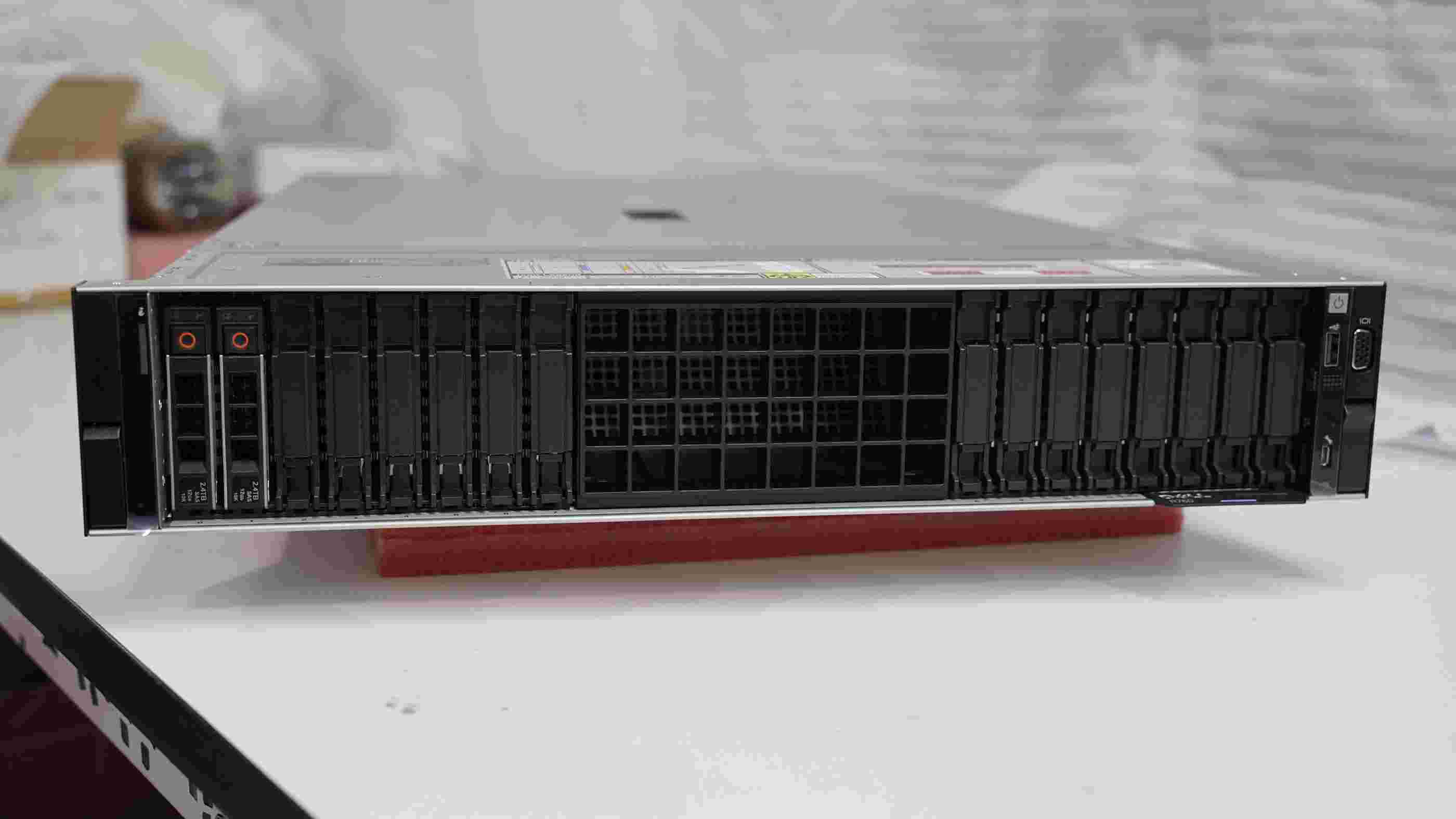
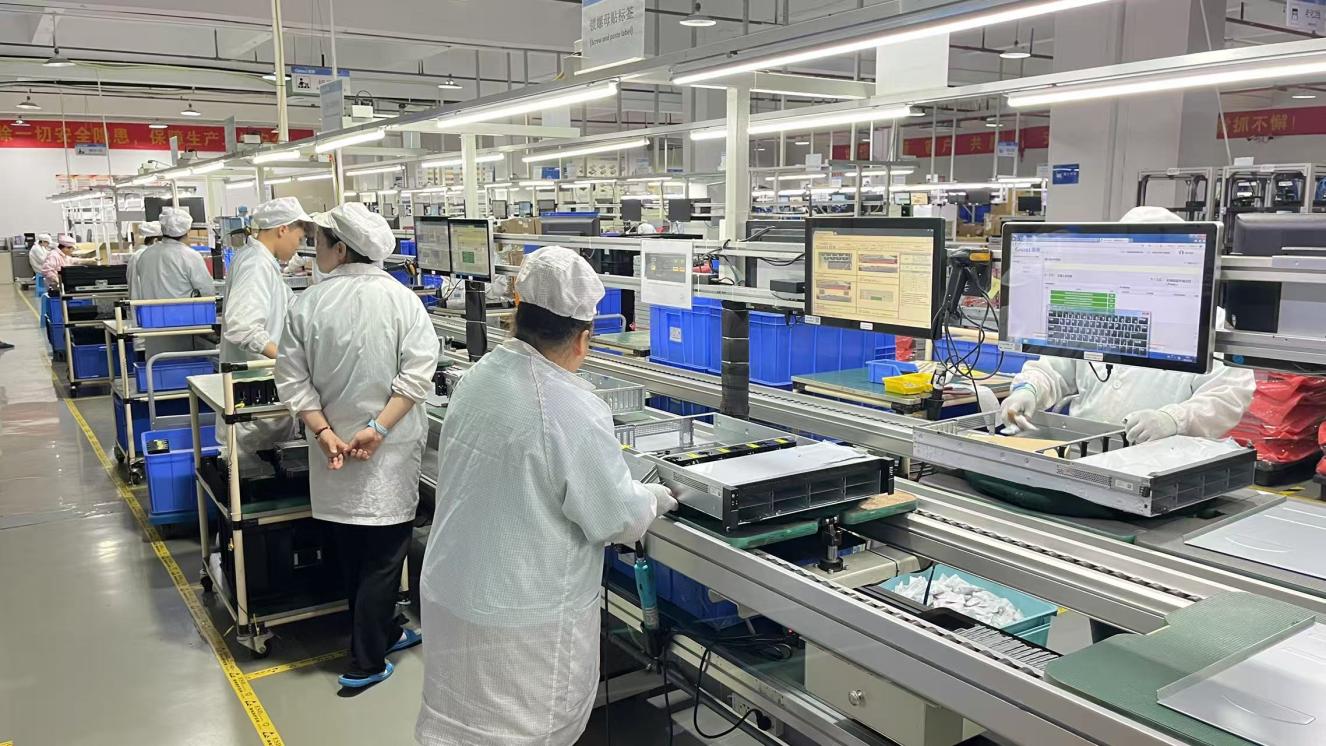
Neuralinko Intelligent Technology Co., Ltd. stands as a professional AI server manufacturer specializing in high-performance GPU servers, AI computing infrastructure, and customized data center solutions for global enterprises. Established in 2018, the company operates from a modern 386㎡ production and engineering facility, delivering reliable AI hardware solutions for machine learning, deep learning, large language models (LLMs), cloud computing, and HPC applications.
Quality is at the core of our operations. We implement strict quality control procedures, including:
Our dedicated quality assurance team consists of 42 experienced inspectors, ensuring every server and memory module meets international standards before shipment. Supported by a professional R&D team of 118 engineers, Neuralinko continuously invests in next-generation AI computing technologies. Last year alone, the company successfully introduced 126 new products and system configurations to meet the evolving needs of the global AI industry.
The centralization of memory assembly and testing within China's electronics clusters provides significant cost efficiencies and logistical benefits for global enterprises. The proximity to raw PCB fabrication, SMT component suppliers, passives, and advanced IC packaging facilities creates an optimized ecosystem.
Neuralinko maintains long-term partnerships with over 1,200 supply chain partners, including leading component manufacturers and technology providers. This robust ecosystem enables us to ensure stable production capacity, competitive pricing, and fast delivery times. With over 8 years of industry experience and 6 years of export expertise, our annual export revenue exceeds USD 18 million, serving customers across North America, Europe, Southeast Asia, the Middle East, and Australia.
Navigating the procurement of enterprise hardware requires strict adherence to regulatory standards to ensure seamless customs clearance and operational safety in various jurisdictions. Server memory modules and configurations must comply with international directives such as CE, FCC, RoHS, and REACH.
Neuralinko addresses these requirements by providing comprehensive export documentation, lead-free certification, and electromagnetic compatibility (EMC) testing reports. Additionally, localized Field Application Engineering (FAE) support ensures that global clients receive timely assistance with compatibility verification, bios update tuning, and hardware replacements. This minimizes system downtime and guarantees that custom configurations function optimally within existing rack architectures.
Different enterprise workloads demand specific RAM configurations:
Automated detection and correction of single-bit memory errors. Prevents system crashes, data corruption, and silent write failures in enterprise virtualization hosts.
Employs an onboard register to buffer command and address signals. This stabilizes electrical loads, allowing support for larger system memory capacities per channel.
Onboard PMIC (primarily for DDR5) ensures stable voltage distribution, improving thermal limits and power efficiency across high-density computing clusters.
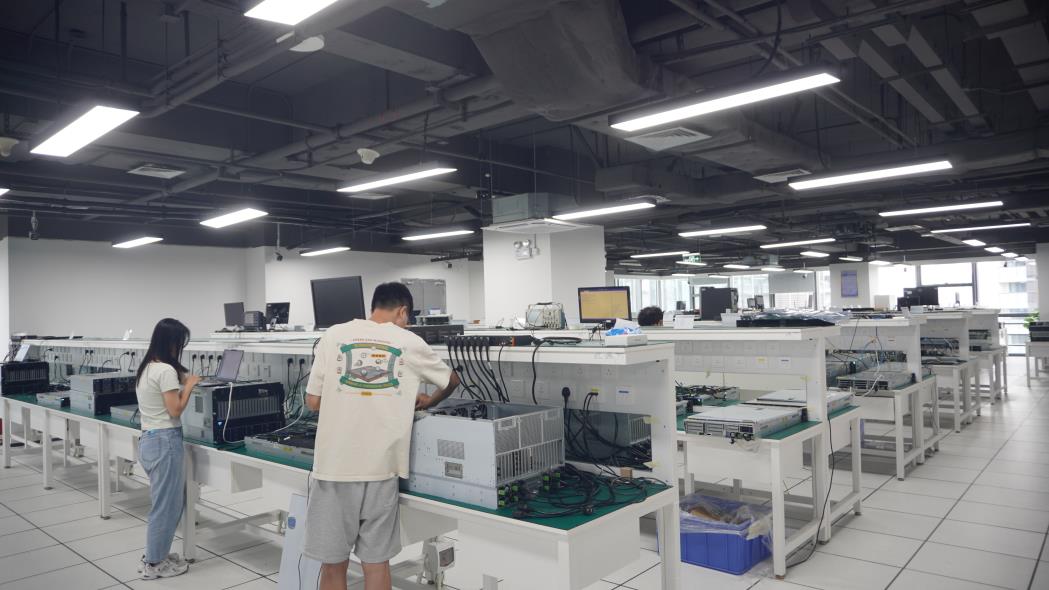
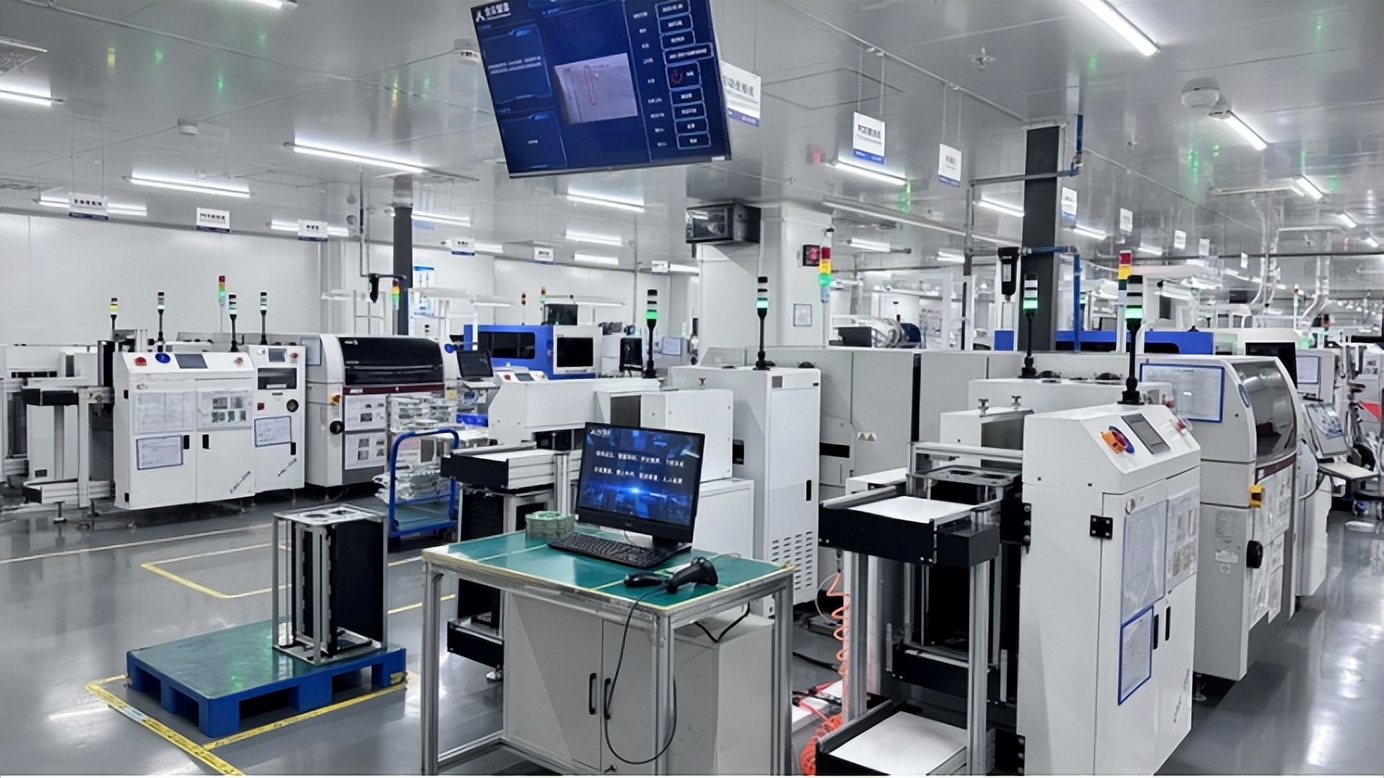
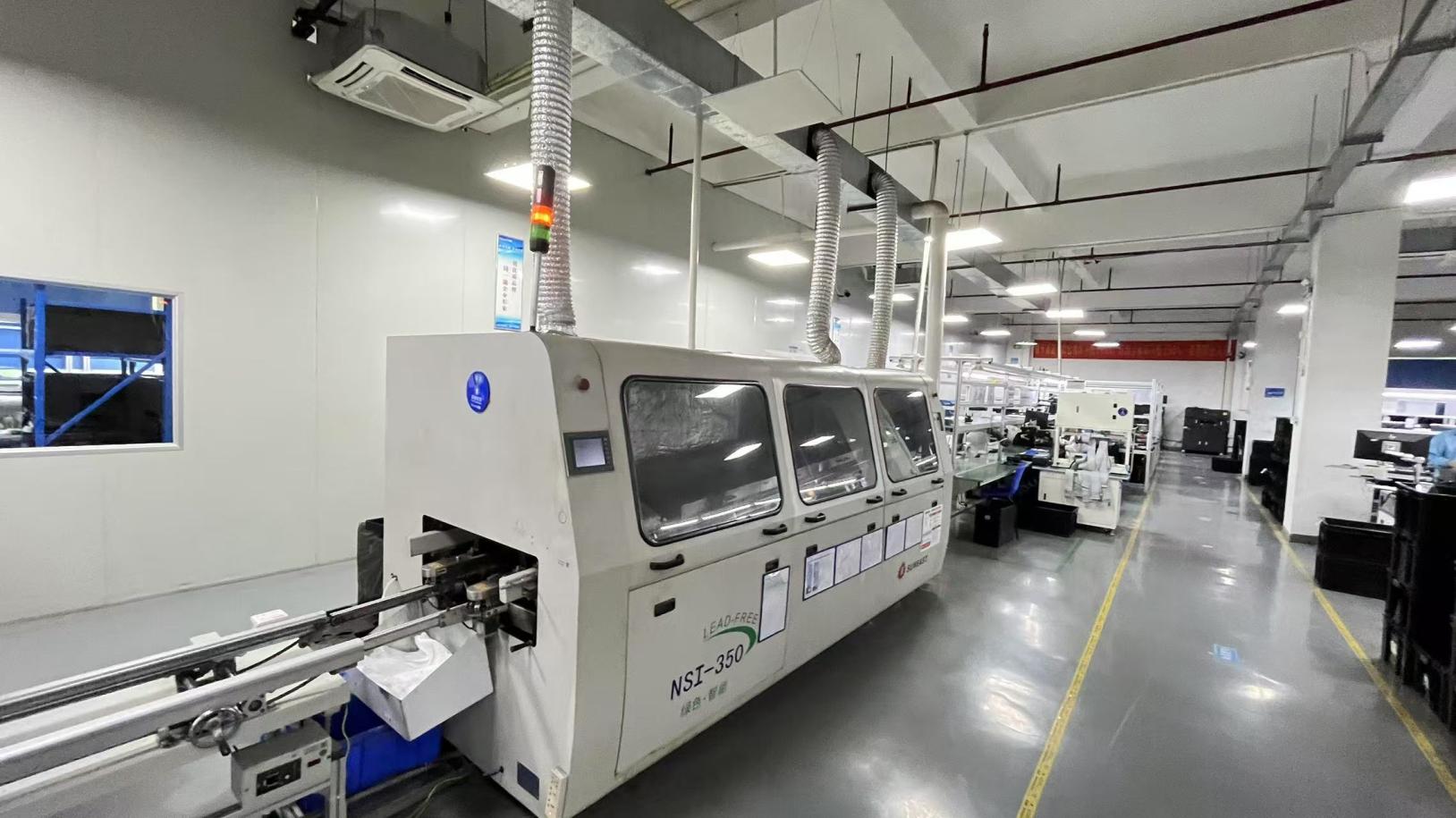
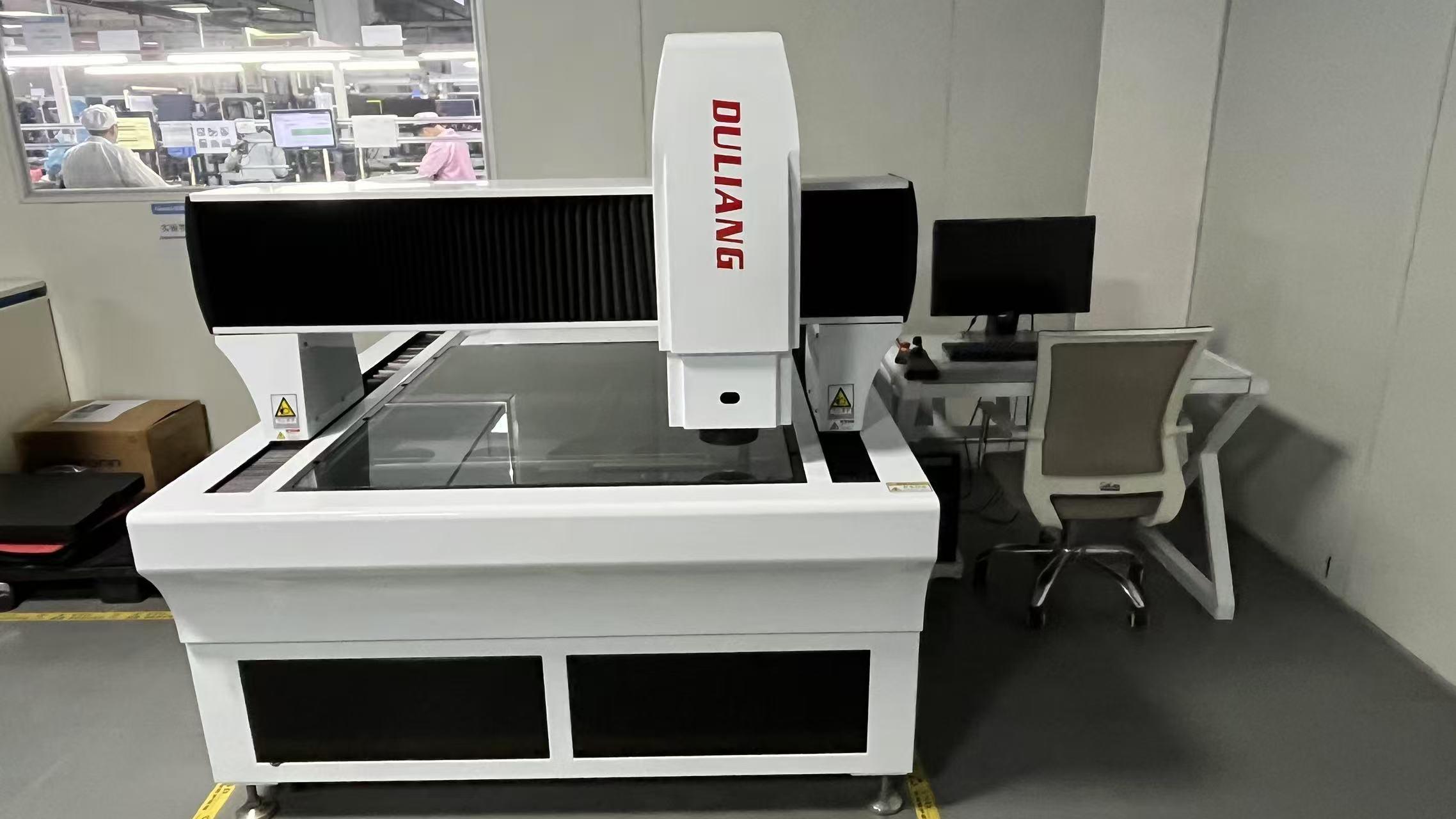
Our modern 386㎡ production and engineering facility utilizes state-of-the-art SMT assembly, automated optical inspection (AOI), and severe environment testing labs to deliver consistent quality across all hardware lines.
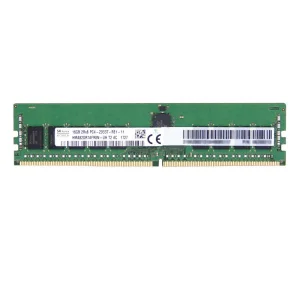
Registered DIMMs (RDIMMs) feature an onboard register that buffers command and address lines, reducing electrical loading on the system memory controller. Load-Reduced DIMMs (LRDIMMs) go a step further by also buffering the data lines using a memory buffer chip. LRDIMMs are typically used in high-capacity environments (such as 128GB modules and above) to support maximum memory density per motherboard, though they may introduce slightly higher latency compared to standard RDIMMs.
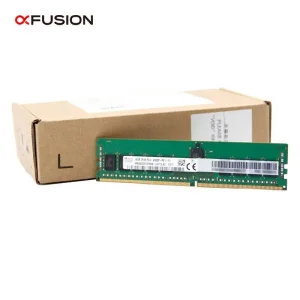
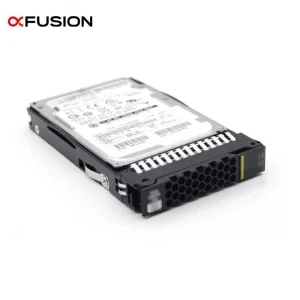
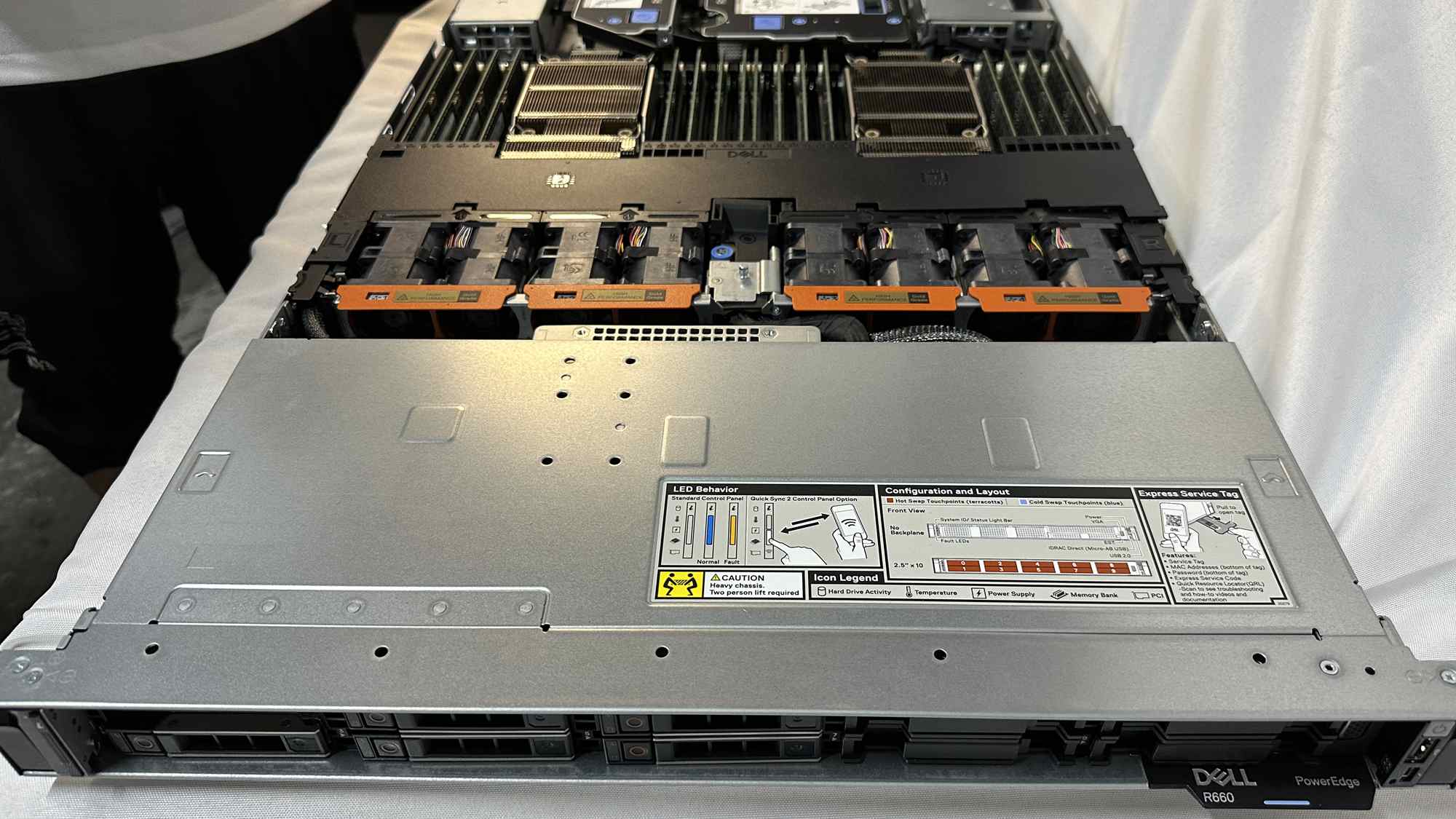
We maintain an in-house hardware validation matrix consisting of major server models (including Dell PowerEdge, HPE ProLiant, Lenovo ThinkSystem, and xFusion FusionServer platforms). Memory modules undergo physical cross-testing and BIOS version compatibility checks to guarantee stable plug-and-play operation and prevent system timing errors.
No. DDR4 and DDR5 modules have different physical key alignments and pin counts (288-pin for DDR4 vs. 288-pin with different notch positioning for DDR5). Additionally, they operate on different voltage architectures (1.2V vs 1.1V) and have different signal routing specifications, making them physically and electrically incompatible.
Every module undergoes incoming die-level inspection, SMT solder monitoring, automated optical inspection (AOI), thermal cycling in environmental chambers, and high-load memory diagnostics under simulated operating temperatures to detect and filter out early failure points.
All exported modules conform to international CE, FCC, RoHS, and REACH guidelines. We provide necessary documentation, export clearances, and certificates of conformity to facilitate smooth customs processing for our clients worldwide.