Neuralinko
Neuralinko
Neuralinko
Deploy high-performance systems optimized for AI pipelines, LLM modeling, and deep learning execution.
Analyzing the technological transformation from classical rasterization to neural accelerated visual computing
The global digital landscape is undergoing a systemic paradigm shift. As organizations rapidly transition from deterministic compute models to probabilistic generative neural networks, the structural requirements of enterprise data centers are being fundamentally rewritten. Historically, graphics processing units (GPUs) and specialized server platforms were utilized predominantly for classical rasterization, physical simulations, and real-time visualization. Today, the convergence of deep learning architectures, massive large language models (LLMs) like DeepSeek, and high-performance computing (HPC) has elevated GPU server design to the most critical layer of the modern digital stack.
Selecting a trusted graphics factory and AI server supplier is no longer merely a procurement decision; it is a long-term strategic partnership that dictates an organization's compute efficiency, power footprint, and scalability. In an era where hardware lead times can exceed a year, and architectural mismatches can result in millions of dollars of stranded capital, infrastructure buyers must partner with suppliers that offer proven technical expertise, deep supply chain resilience, and a rigorous commitment to quality assurance.
Enterprise Profile: Engineered for Advanced AI & Visual Solutions
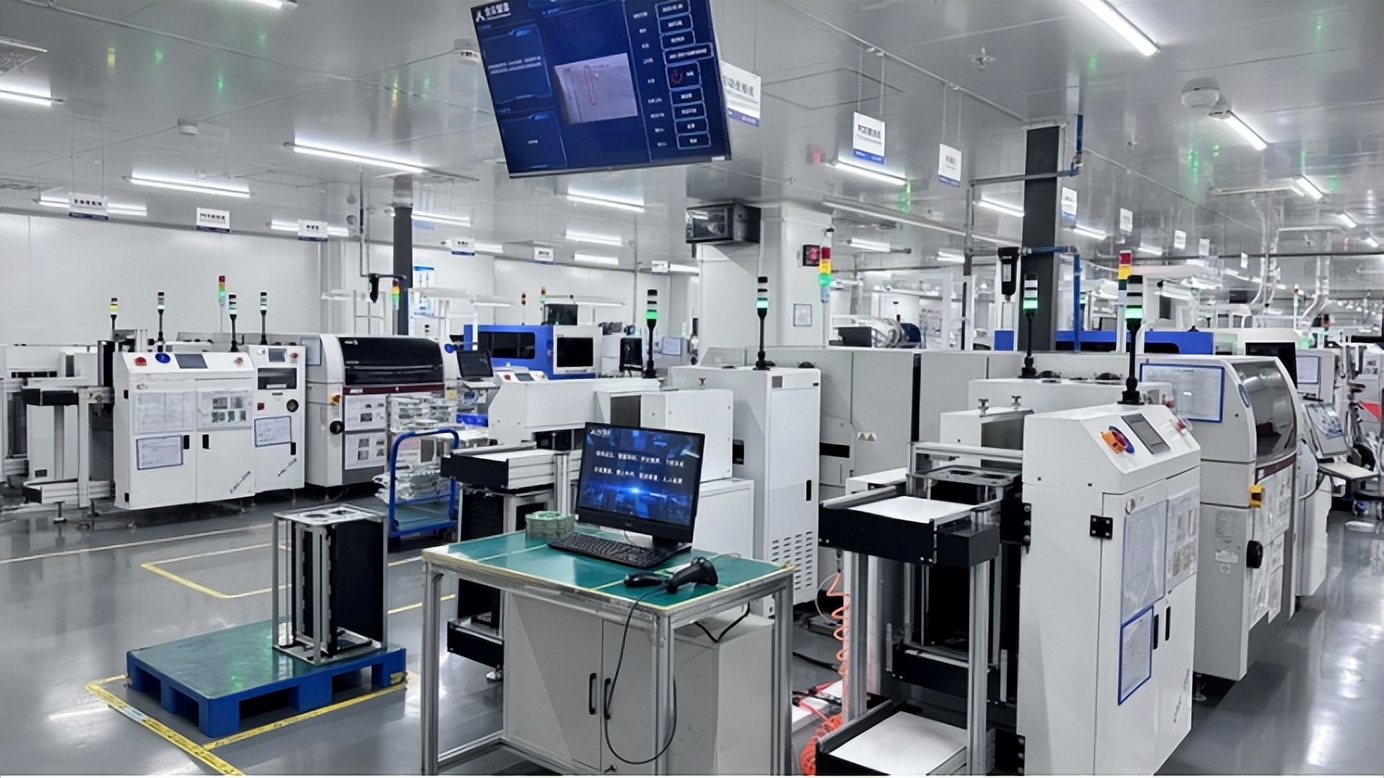
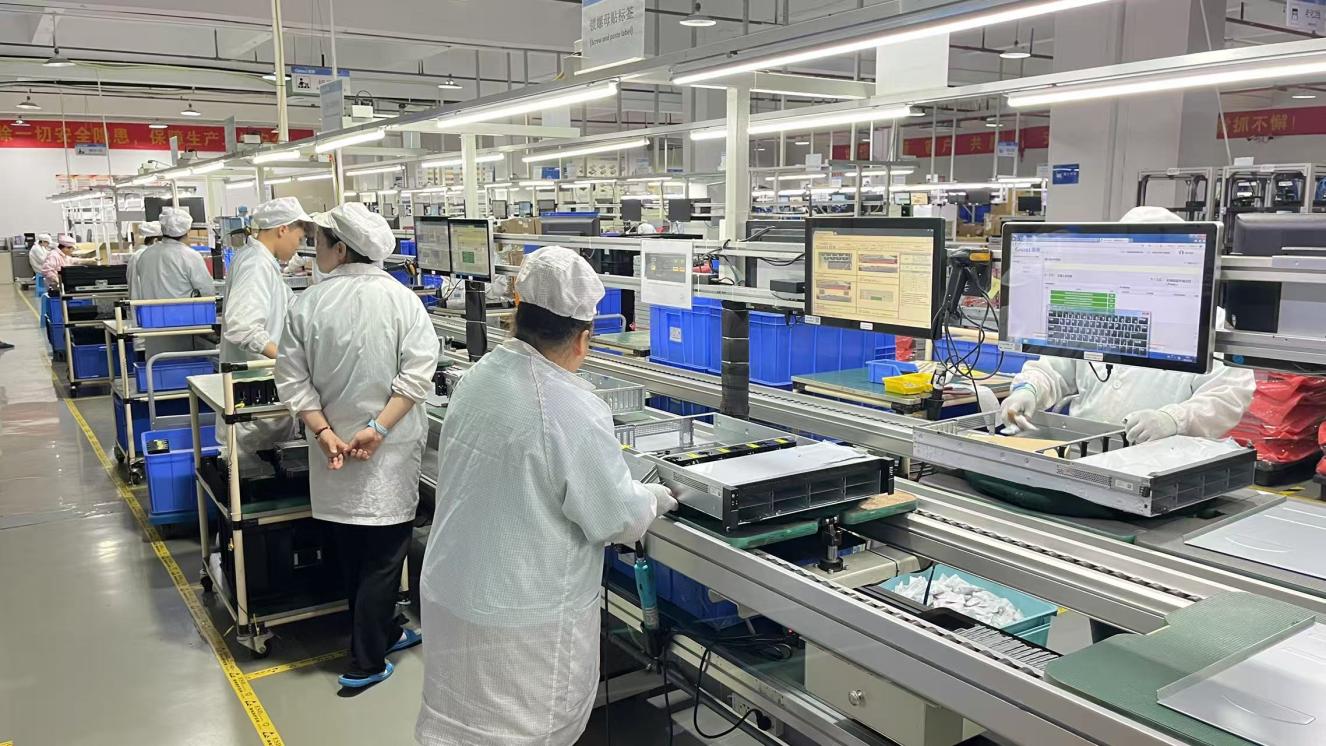
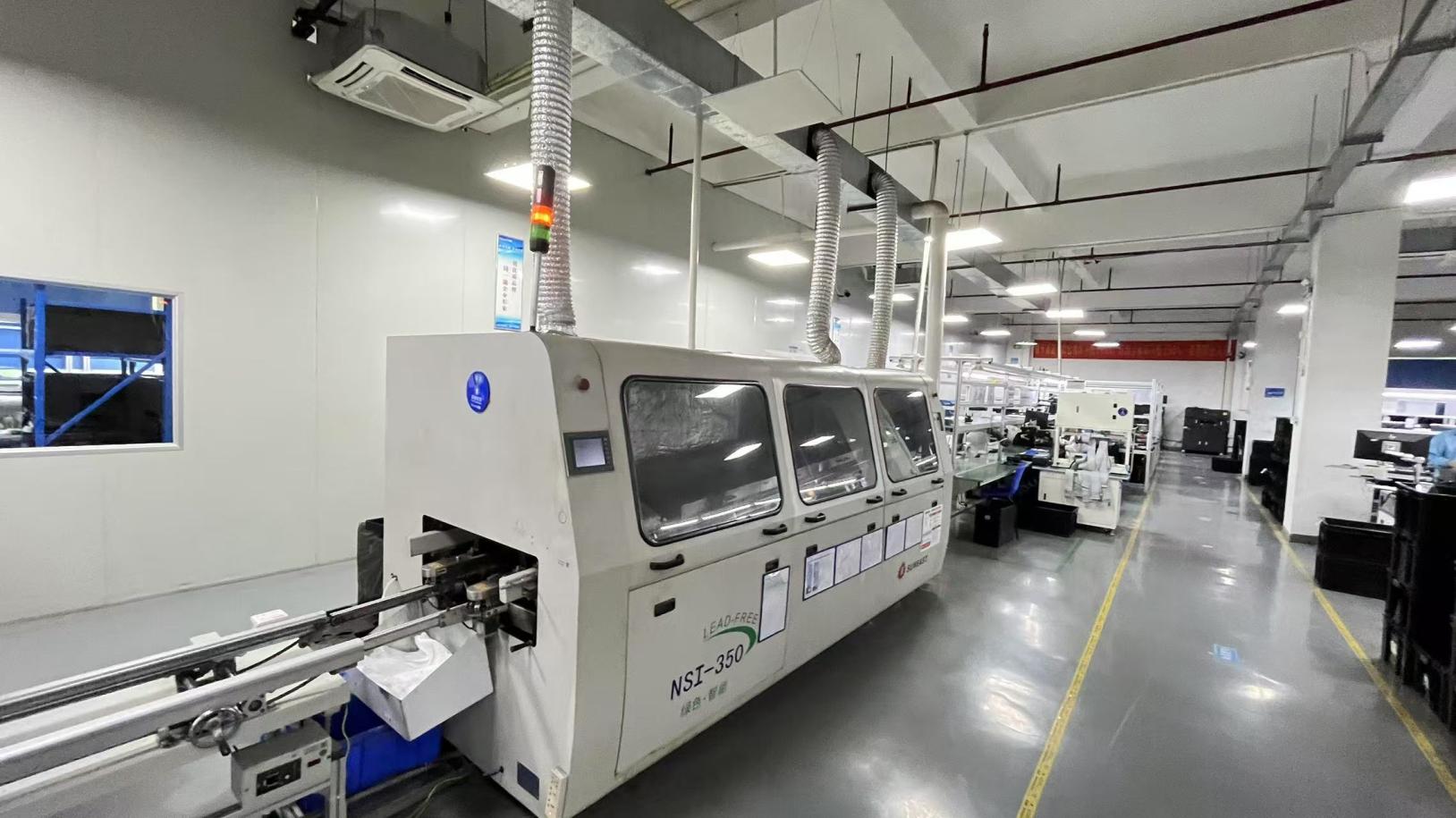
Established in 2018, Neuralinko Intelligent Technology Co., Ltd. is an industry-leading AI server manufacturer specializing in high-performance GPU server architectures, custom AI computing infrastructure, and tailored data center solutions. Operating from a state-of-the-art 386㎡ production and engineering facility, Neuralinko designs, builds, and optimizes server technologies that power machine learning, deep learning, LLMs, neural graphics, and high-performance computing (HPC) across the globe.
With over 8 years of hardware specialization and 6 years of international export experience, Neuralinko has earned a global reputation for delivering scalable, reliable, and energy-efficient computing systems. Our annual export revenue exceeds USD 18 million, serving cloud service providers, research facilities, government enterprises, and visual effects rendering networks across North America, Europe, Southeast Asia, Australia, and the Middle East.
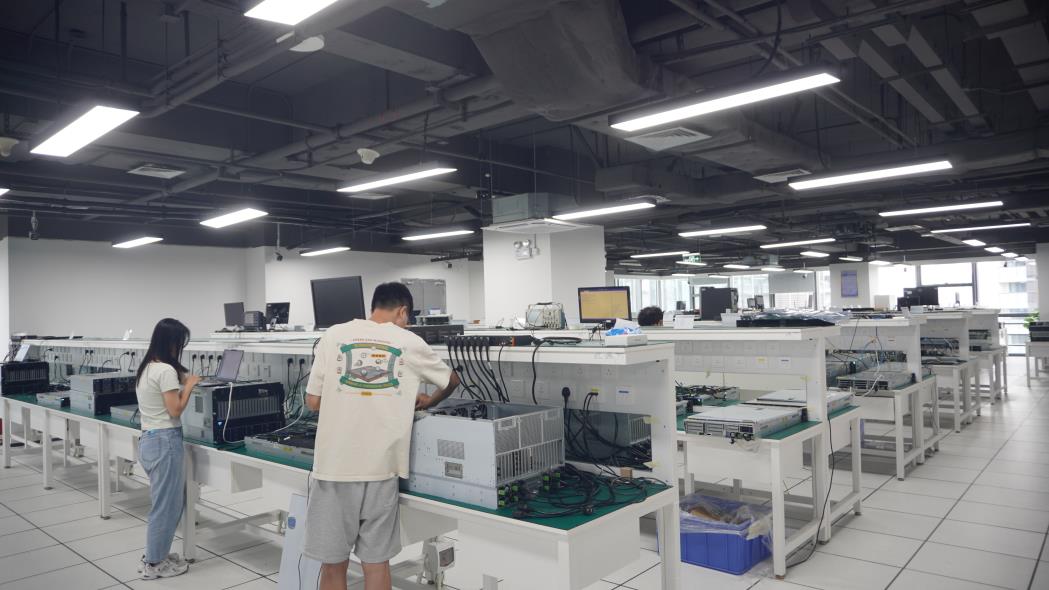
At Neuralinko, quality is our defining corporate value. Every component, trace, and server rack undergoes a comprehensive array of tests, including incoming component inspections, in-process assembly monitoring, system burn-in testing, and thermal profile benchmarking. Our team of 42 dedicated quality assurance inspectors ensures that every device shipped operates flawlessly, meeting international certifications such as CE, FCC, RoHS, and UL.
Leveraging China's manufacturing ecosystem to deliver unmatched agility, speed, and cost efficiency
Global hardware procurement is often constrained by components shortages, fluctuating lead times, and logistical bottlenecks. Neuralinko mitigates these risks by leveraging its strategic position within the world’s most advanced electronics manufacturing cluster. By collaborating with over 1,200 verified supply chain partners, we ensure access to primary raw materials, high-density PCBs, complex multi-layer backplanes, power supplies, custom metal chassis, and critical thermal management solutions.
Our proximity to key component ecosystems allows Neuralinko to maintain a highly agile manufacturing workflow. While typical western integrators face multi-month delay cycles for custom rack chassis or power distribution blocks, we execute prototype-to-production runs in a fraction of the time. This ecosystem advantage, combined with our strategic inventory reserve of hard-to-source controller cards, GPUs, and network cards, guarantees that our clients receive stable pricing and predictable delivery schedules, even during peak market demand cycles.
We source, assemble, and optimize custom chassis designs, liquid-cooling solutions, and specialized high-speed backplanes within weeks rather than months.
With a network of 1,200+ partners, we circumvent chip shortages by maintaining strategic components reserves and second-source contingencies.
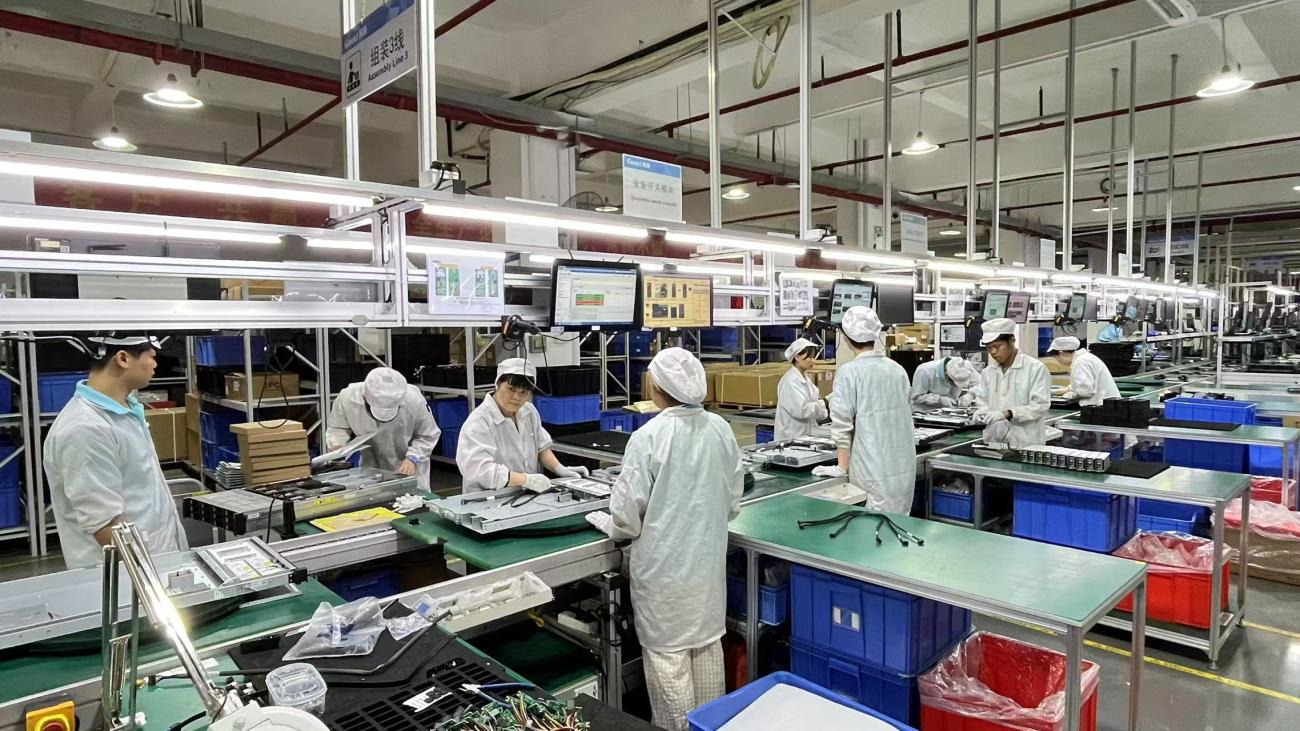
Our agile factory processes allow us to handle large-scale enterprise deployments alongside tailored small-batch specialty integrations without sacrificing delivery schedules.
Providing key computational power for next-generation industrial, research, and cloud tasks
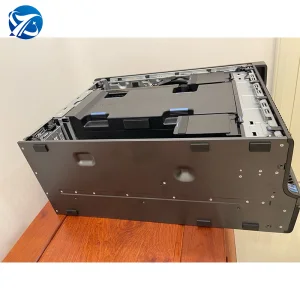
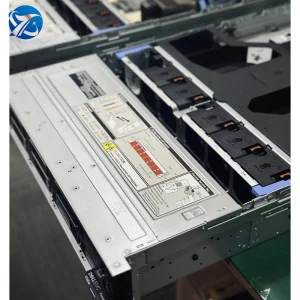
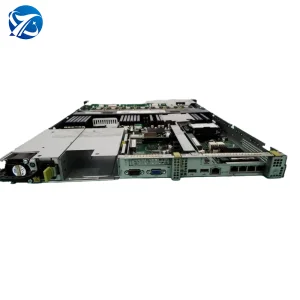
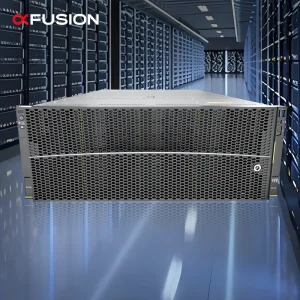
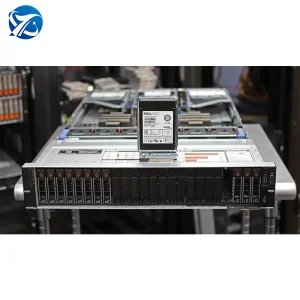
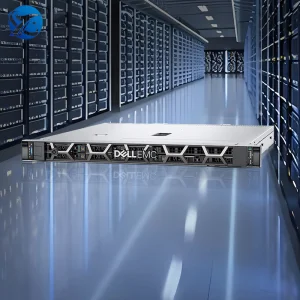
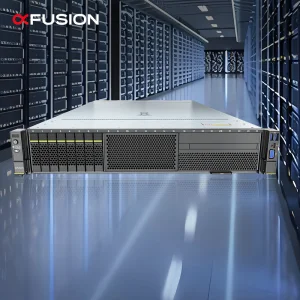
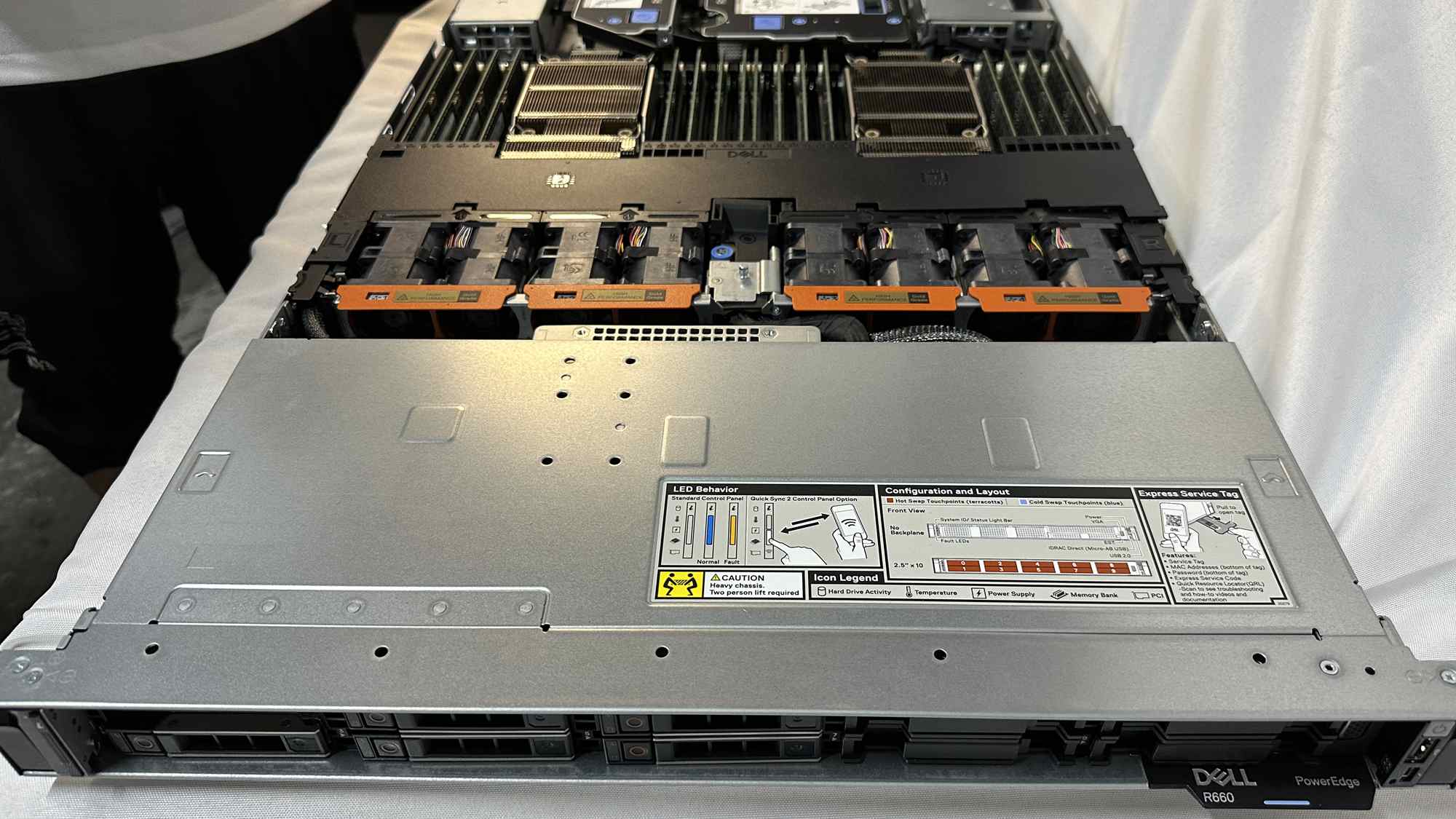
Today's graphics infrastructure goes far beyond simple video processing. High-density GPU configurations, backed by enterprise host platforms like Dell PowerEdge and xFusion systems, provide the foundational compute required for modern high-performance computing tasks. These servers are deployed globally across distinct high-impact domains:
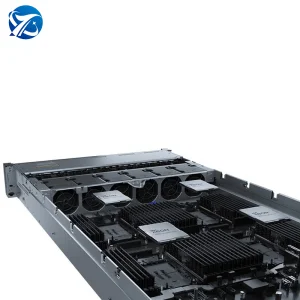
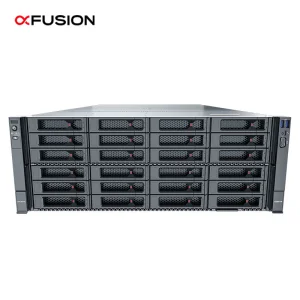
Modern LLMs require massive amounts of compute for both training and low-latency inference. Implementing configurations such as the xFusion G5500 V7, specifically optimized for DeepSeek architectures, allows businesses to host proprietary, fine-tuned models locally. This keeps intellectual property secure, slashes subscription cloud fees, and reduces latency to single-digit milliseconds. High-bandwidth GPU pools minimize inter-node latency, maximizing tokens per second for high-concurrency systems.
High-fidelity environments require immense graphics processing capability. For complex VFX rendering, real-time 3D pipelines, and Omniverse digital twin simulations, Neuralinko's GPU solutions allow teams to manipulate massive CAD data, run complex ray-tracing workloads, and accelerate high-fidelity visualizations. This enables architects and automotive designers to iterate on physical simulations in real-time, greatly accelerating product development cycles.
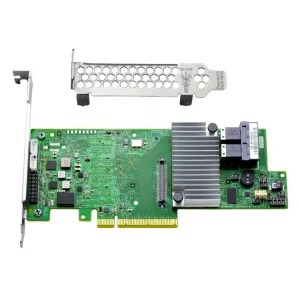
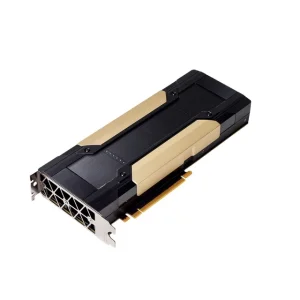
From molecular dynamics modeling to climate simulation, high-density server configurations running specialized PCIe accelerators (such as the V100 GPU series and high-performance RAID arrays like the LSI 9560-16i) process large-scale datasets with high precision. By matching raw GPU capability with fast storage array cards, scientific teams run parallel workloads with minimized I/O wait times.
Modern industrial automation relies on deep neural networks processing real-time video feeds at the edge. Smart factories, autonomous transport systems, and municipal networks utilize rack servers to host vision models, run real-time inference, detect defects, and optimize physical workflows dynamically.
The technological advancements shaping the next era of high-density graphics servers
As we look towards the next five years, server architectures must evolve to keep pace with the massive compute demands of AI models. Neuralinko's engineering teams are continuously researching next-generation cooling, storage, and processing architectures. The key trends shaping our technological roadmap include:
Ensuring hardware interoperability, security, and compliance across international markets
Deploying enterprise hardware globally requires strict adherence to localized regulatory structures and safety standards. At Neuralinko, compliance is built directly into our product development cycle. Our servers undergo certified testing for FCC, CE, RoHS, and UL approvals, assuring safe and stable operation in enterprise data centers.
Furthermore, we provide complete OEM/ODM customization services. We tailor BIOS/UEFI configurations, set up custom firmware profiles, and pre-configure RAID arrays and operating systems. This ensures that when our servers arrive at your facility, they can be deployed immediately with minimal onsite engineering overhead. We back this up with localized technical support, offering fast parts replacement, remote diagnostic assistance, and access to our tier-3 R&D support engineers.
Answering the primary technical questions from system administrators, infrastructure architects, and buyers
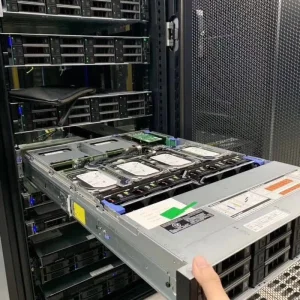
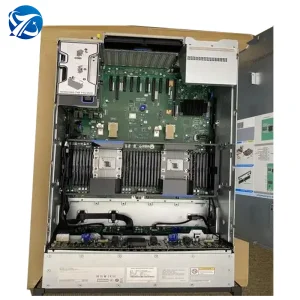
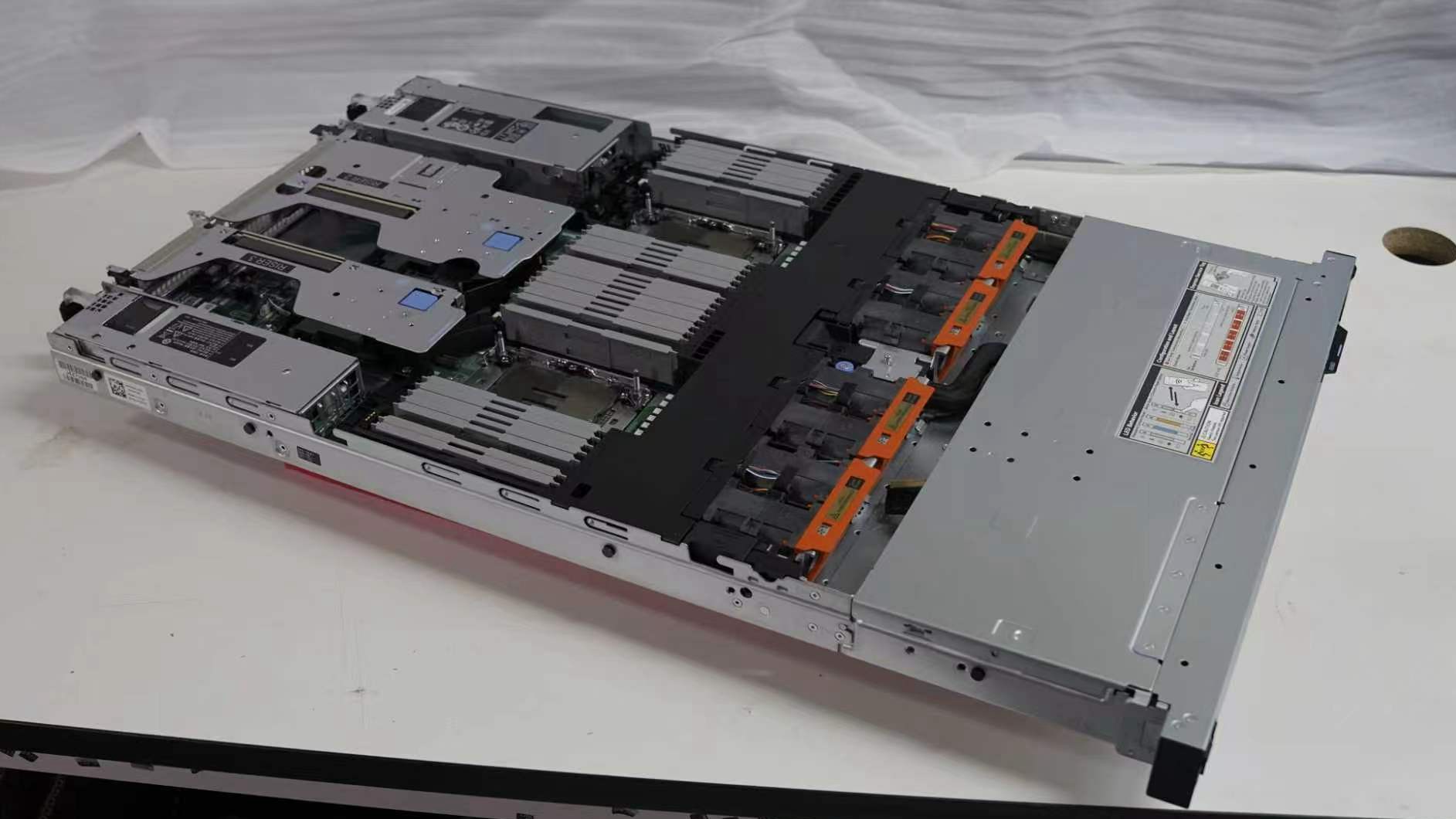
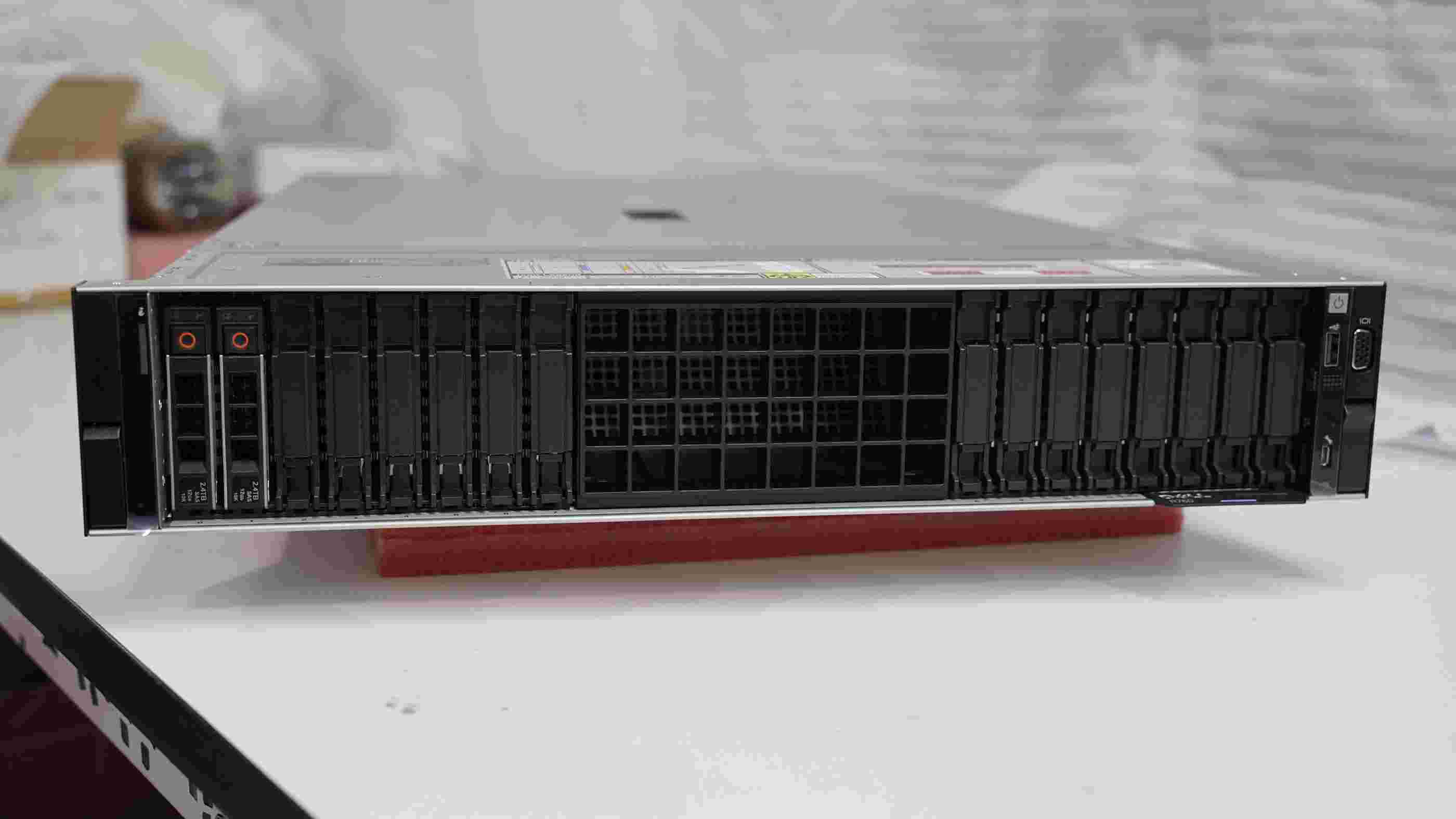
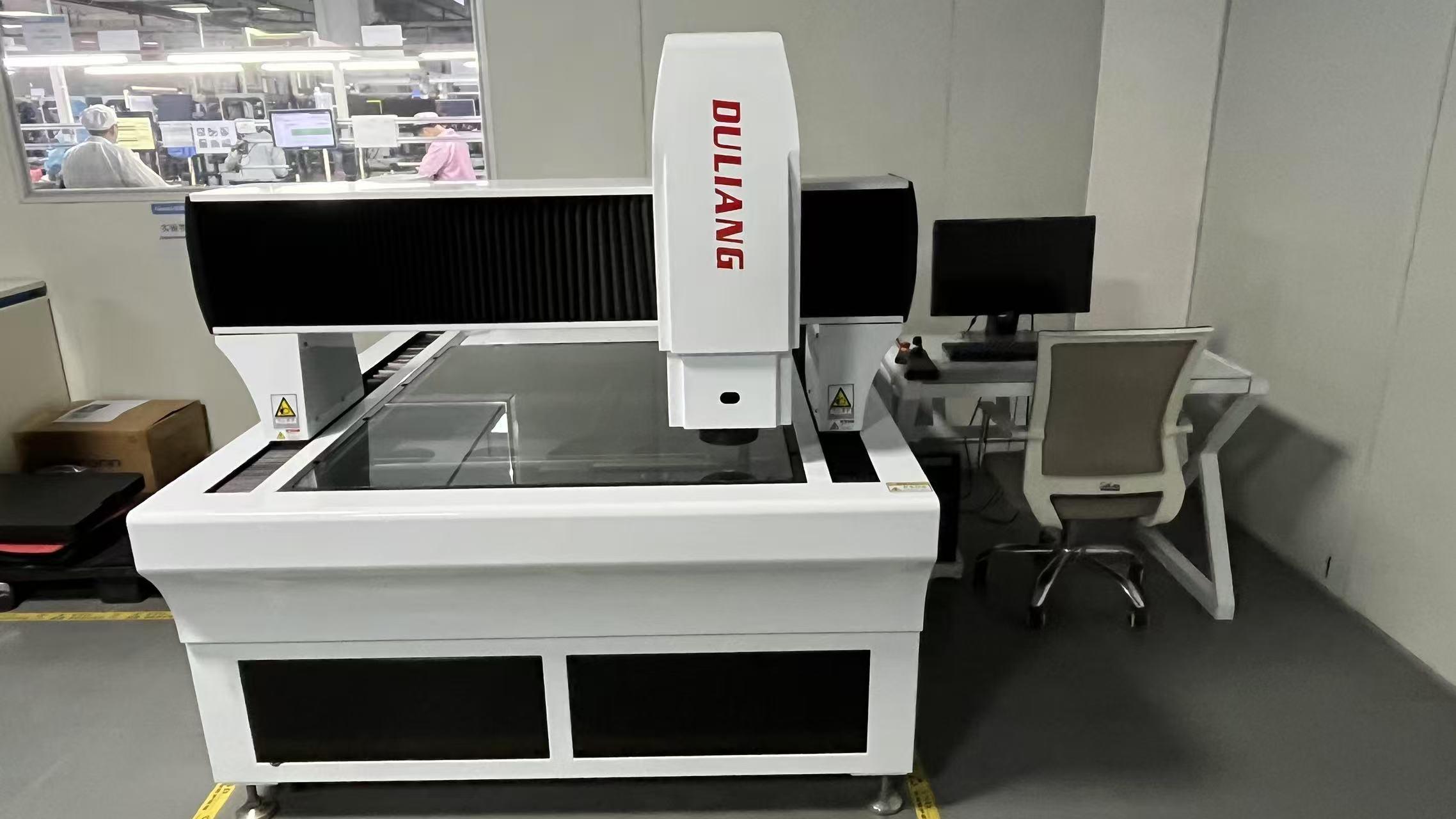
Inside our 386㎡ engineering facility: Testing, integration, and precision quality control
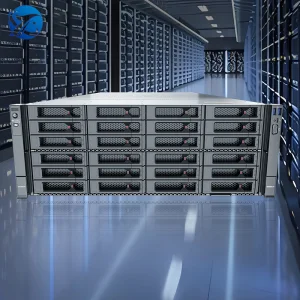
Explore our full line of rack systems, host platforms, and processing equipment