Neuralinko
Neuralinko
Neuralinko
Enterprise rackmount servers engineered to maximize compute density, processing speeds, and thermal efficiency within high-capacity colocation architectures.
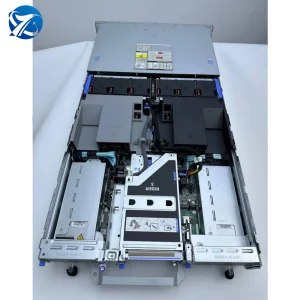
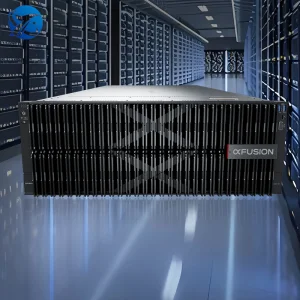
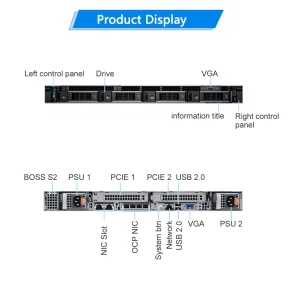
The rapid integration of Large Language Models (LLMs), deep learning clusters, and intensive high-performance computing (HPC) workflows has initiated a historic transformation within data center deployment methodologies. Standard off-the-shelf rackmount configurations are increasingly deficient under the thermal envelopes and computational requirements of next-generation workloads. As high-density deployments surpass 30 kW to 100 kW per rack, enterprise operations require specialized hardware tailored to unique spatial, power distribution, and thermal topologies.
Our organization, Neuralinko Intelligent Technology Co., Ltd., acts as a primary engineering and manufacturing partner in this space. Operating from our state-of-the-art facilities, we bridge the gap between complex software application layers and underlying bare-metal infrastructure. Our comprehensive OEM/ODM colocation hardware services provide global enterprises, Tier-1 cloud service providers (CSPs), and specialized system integrators with customized server topologies designed for modern carrier-neutral facilities.
Standard data center architectures are built around fixed assumptions of air cooling, standard power inputs (e.g., 208V single-phase), and common rack spacing. However, modern colocation providers globally have transitioned to highly optimized and divergent setups:
Neuralinko Intelligent Technology Co., Ltd. delivers institutional-grade reliability, rigorous quality control, and robust supply chain integration.
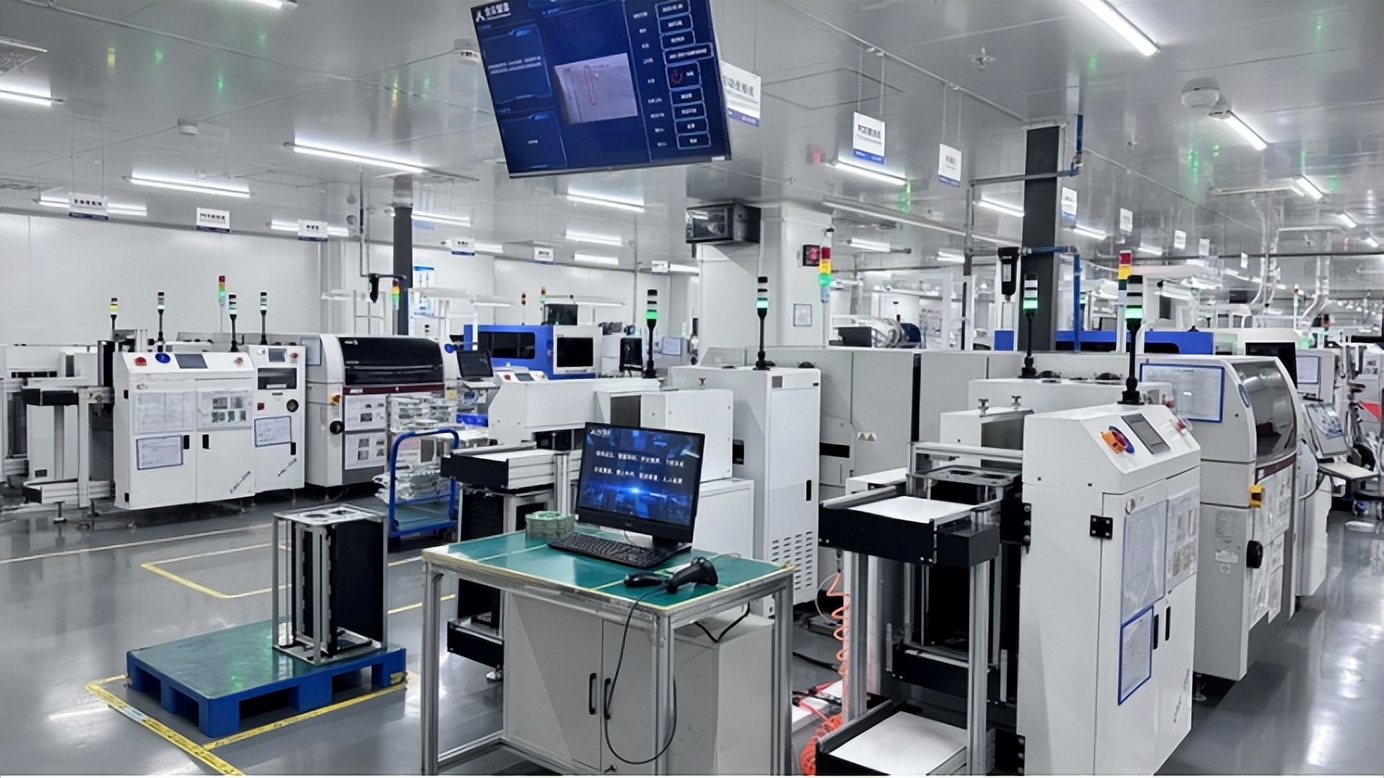
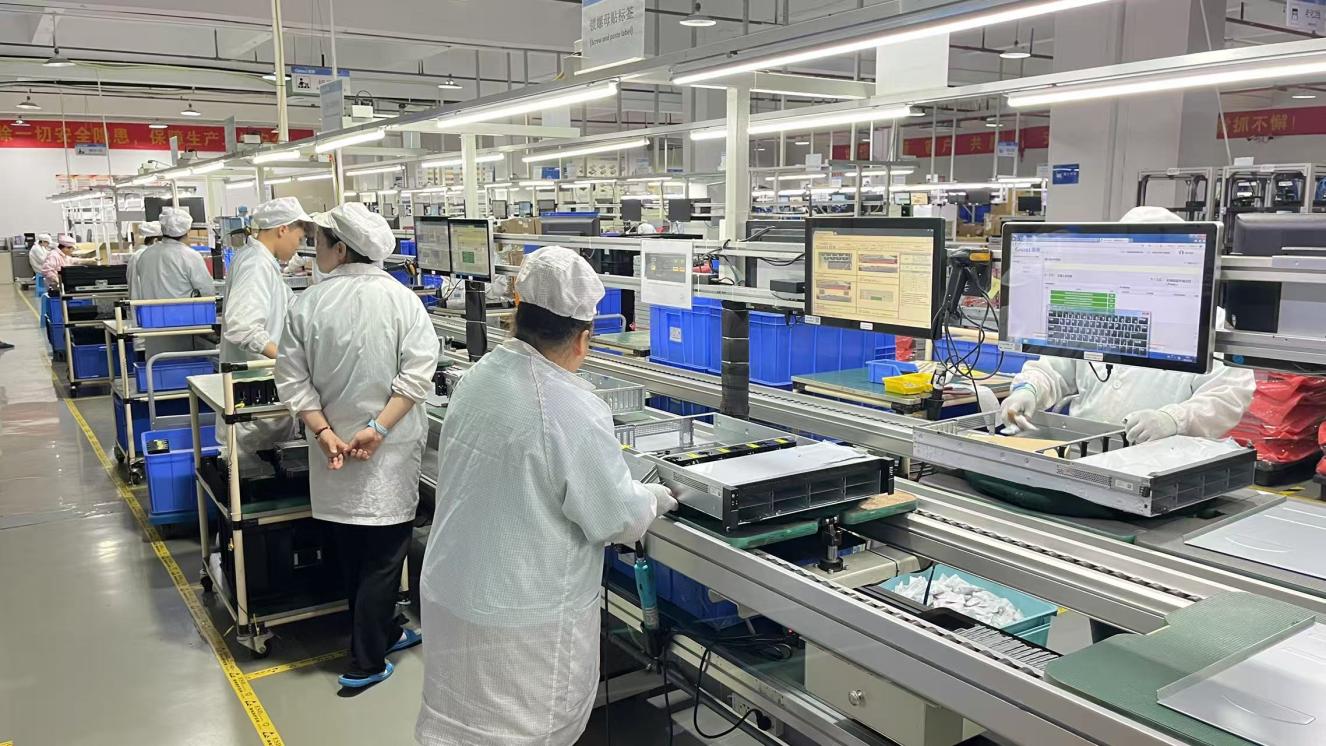
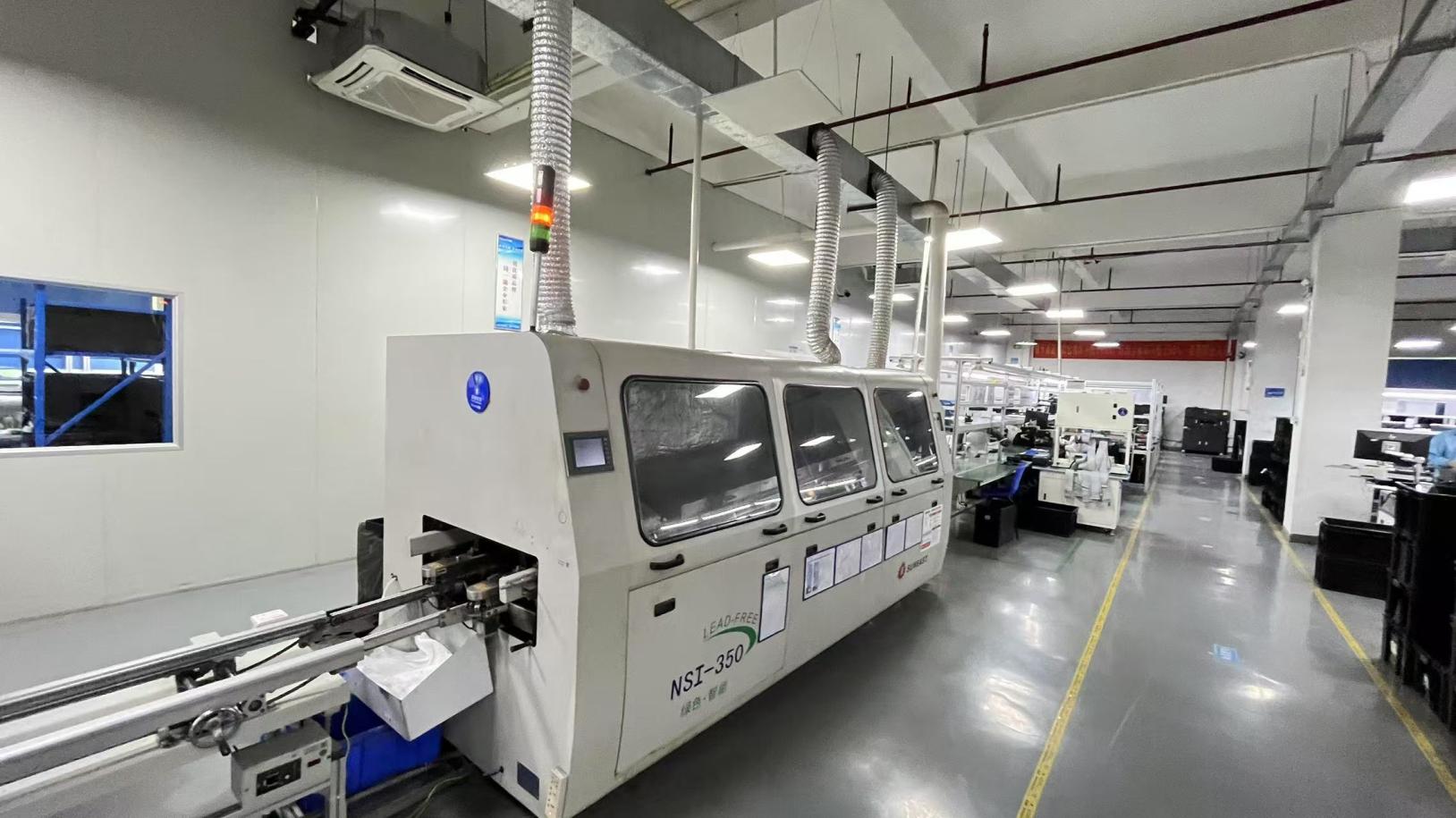
Established in 2018, Neuralinko operates from a highly sophisticated 386㎡ dedicated engineering, prototyping, and assembly center. Supported by over 8 years of hardware domain expertise and 6 years of international export delivery, we achieve an annual export scale exceeding USD 18 million. Our high-performance systems and components are deployed by customers across North America, Europe, Southeast Asia, the Middle East, and Australia.
Our structural business approach focuses on OEM/ODM server customizations. Whether configuring multi-GPU accelerators, optimization of system BIOS/BMC, customized chassis metalwork, or integrated cabinet configurations (rack-level integration), our team delivers customized engineering. Last year alone, our engineers brought 126 new customized computing products and systems to market, demonstrating our rapid prototyping capabilities.
From custom metalwork and board routing to customized cooling loop layouts, we build custom systems tailored for unique colocation layouts.
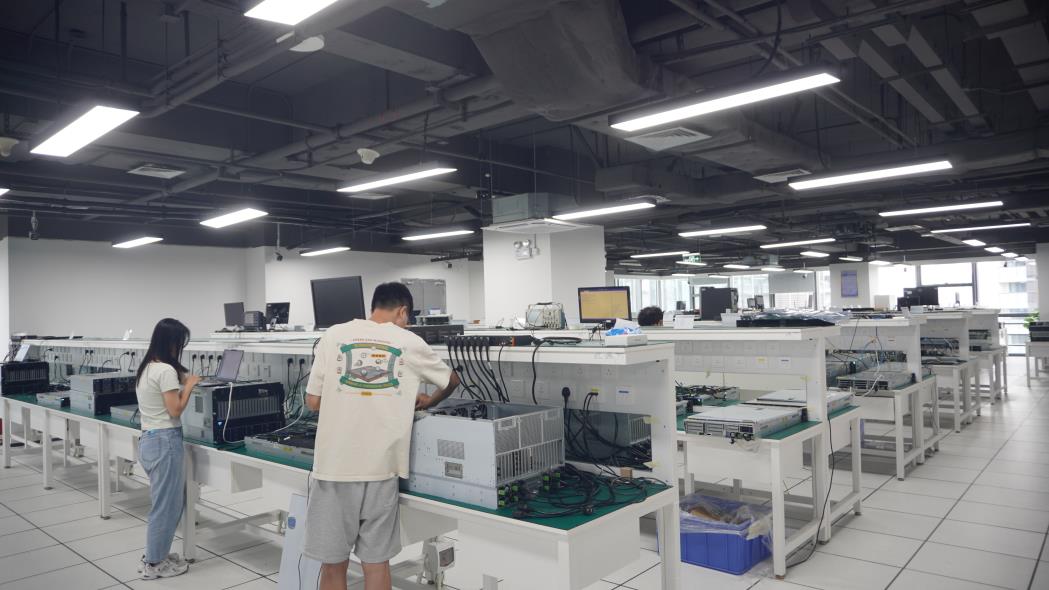
42 experienced inspectors run automated testing across component testing, burn-in verification, and thermodynamic monitoring.
Established export channels across Europe, the US, and Asia Pacific ensure reliable logistics, compliant shipping, and localized technical support.
Different types of colocation environments present distinct hardware challenges. For instance, low-cost colocation facilities may have limited power limits of 5 kW to 8 kW per rack. In contrast, next-generation liquid-cooled environments can support 40 kW+ density. Our technical framework balances custom BIOS parameters, system power layouts, and cooling capabilities across different formats.
| Platform Class | Target Application | Power Density (Watts) | Cooling Interface | Key Optimization Feature |
|---|---|---|---|---|
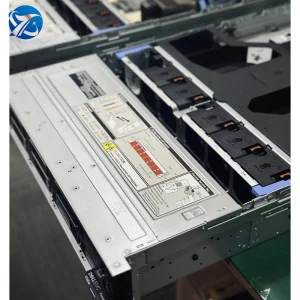
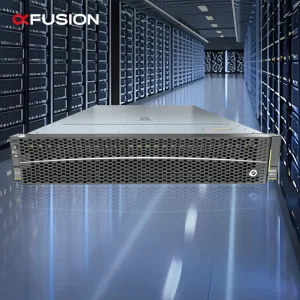
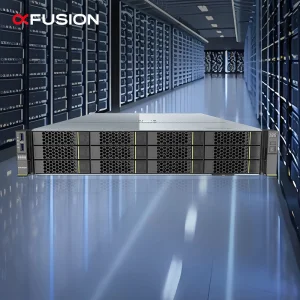
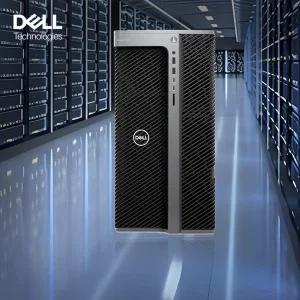
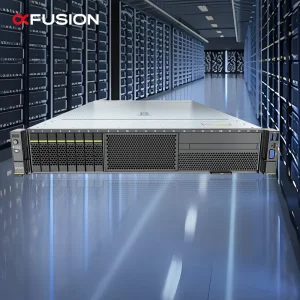
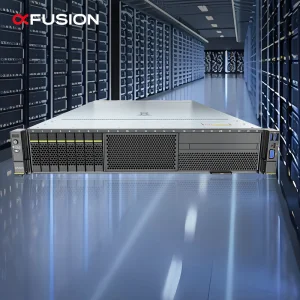
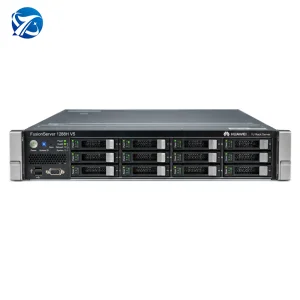
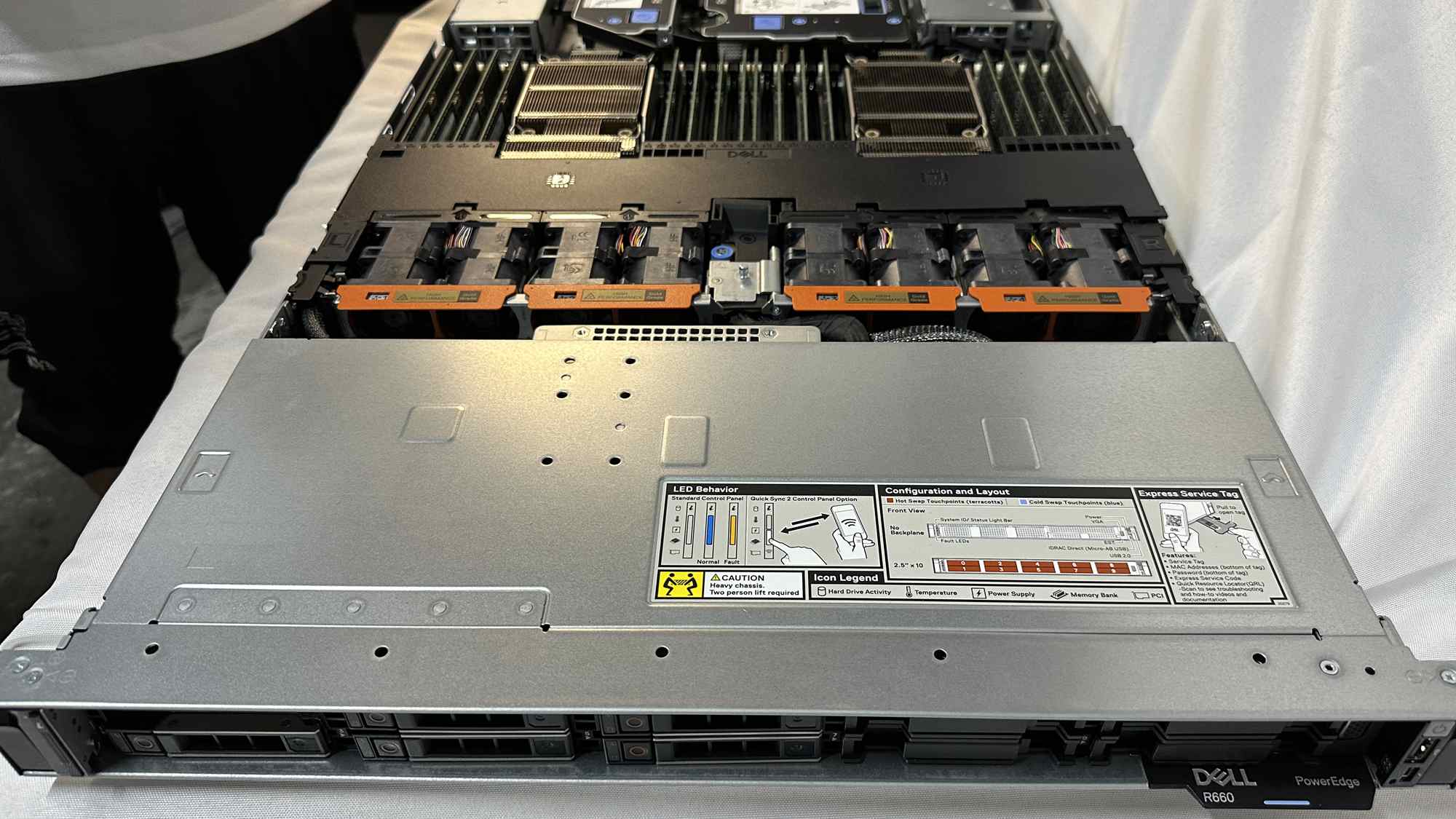
| 1U/2U High-Density Compute (Dell R750 / xFusion 1288H V5/V6 equivalents) | Web Scale Front-end, API Microservices, NAS Storage Nodes | 350W – 800W per node | High-airflow counter-rotating chassis fans | Maximum virtualization density per rack unit, optimized air routing |
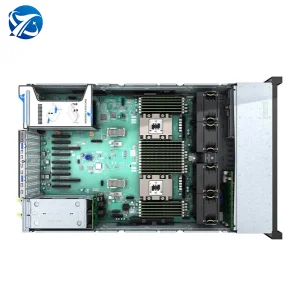
| High-Performance Multi-Socket (FusionServer 2488H V5 / 5885H V7 equivalents) | Database Warehousing, ERP Systems, Multi-tenant Hypervisors | 1200W – 2400W per node | Segmented CPU thermal zones, heatpipe heatsinks | High RAM scalability, PCIe 4.0/5.0 lane expansion, NVMe arrays |
| AI/Deep Learning Systems (xFusion 2288H V7 / 5288 V6 equivalents) | LLM Fine-tuning, Machine Learning Inference, Computer Vision | 2000W – 4500W per node | Direct-to-Chip (D2C) liquid blocks or high-flow fans | High-speed interconnect routing, dedicated GPU power rails |
Our custom hardware configurations prioritize thermal efficiency. In air-cooled colocation facilities, we design chassis shrouding that directs high-velocity air exactly across memory modules and processor heatsinks. By avoiding internal hot air recirculation, our chassis reduce server power draw by up to 8% and lower cooling power requirements in cold-aisle containment systems.
Selecting custom hardware parameters depends heavily on local regulations, local utility costs, and the layout of target colocation spaces. Below, we examine key characteristics across major regional markets:
Characterized by very high-density requirements (often exceeding 25 kW per rack). Deployments focus on custom 4U high-performance GPU configurations. Our designs integrate with hot/cold aisle containment systems and support high-wattage power supplies (up to 2000W+ dual redundant units).
Governed by strict carbon neutrality requirements and Energy Efficiency Directive (EED) mandates. Hardware must operate efficiently at high ambient temperatures. Our custom system firmware optimizes fan curves to keep Power Usage Effectiveness (PUE) as low as possible.
Experiencing rapid edge data center growth. Organizations require compact, short-depth server nodes (like optimized 1U and 2U formats) that can operate in warm edge hubs with minimal maintenance overhead.
With the rise of large-scale open-source architectures like Deepseek, processing clusters require extreme memory bandwidth. Our modified multi-GPU network servers integrate high-speed networking adapters and PCIe Gen 4/5 switch fabrics. This enables large training models to scale effectively without facing standard bandwidth bottlenecks.
To ensure high reliability, Neuralinko operates a strict quality inspection framework. Because hardware failures in remote colocation sites can be costly to resolve, our quality processes are designed to eliminate failures before systems leave our facility.
All memory chips, controller cards, and processors undergo strict parametric verification.
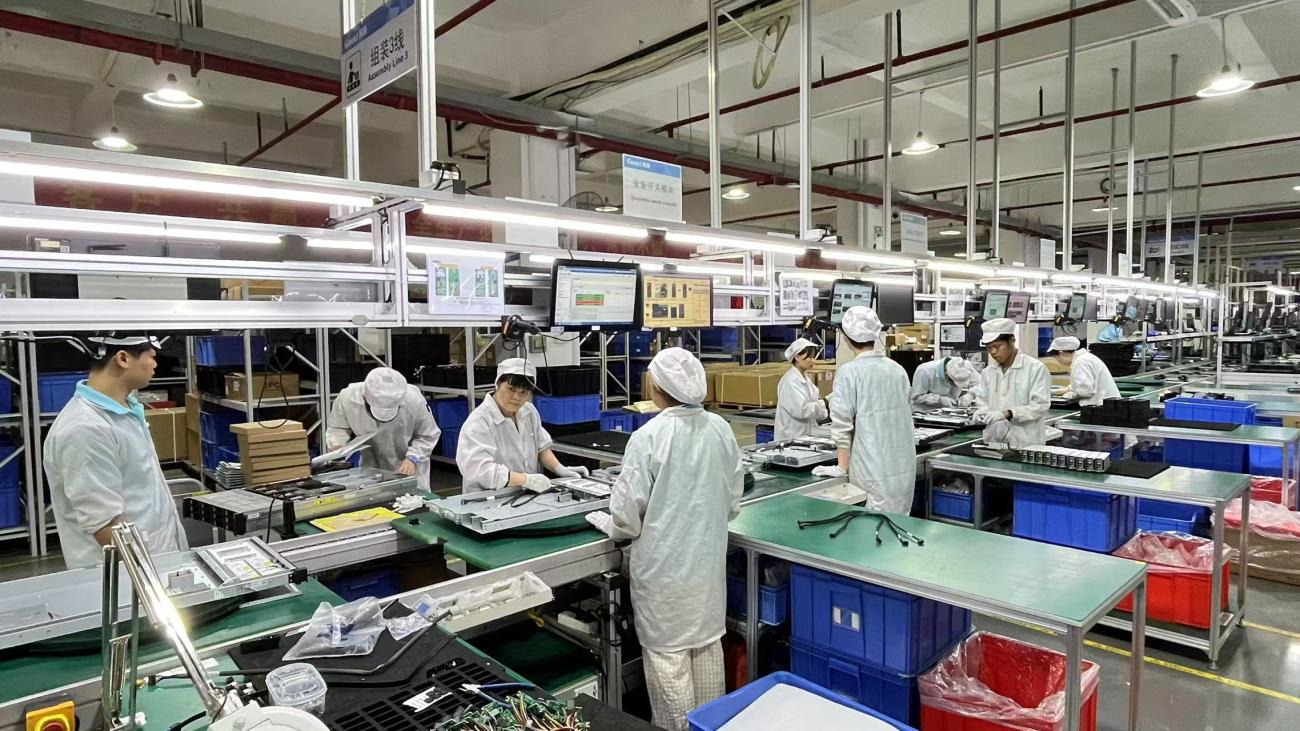
System integration is completed under electrostatic discharge (ESD) controlled environments.
Fully populated chassis undergo 72-hour thermal stress tests at 40°C ambient temperatures.
Validation of firmware, PCIe lane integrity, and final network loop checks before delivery.
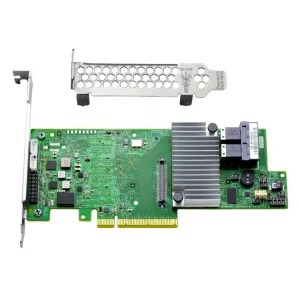
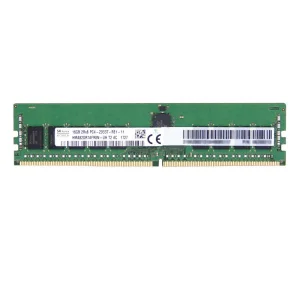
Through our supply chain of over 1,200 partners, we secure high-grade component options. These range from original enterprise RAID controller cards (such as the 9560-16i cards) to certified DDR4/DDR5 high-density RAM modules. This ensures every server we build maintains strict hardware compatibility and reliability standards.
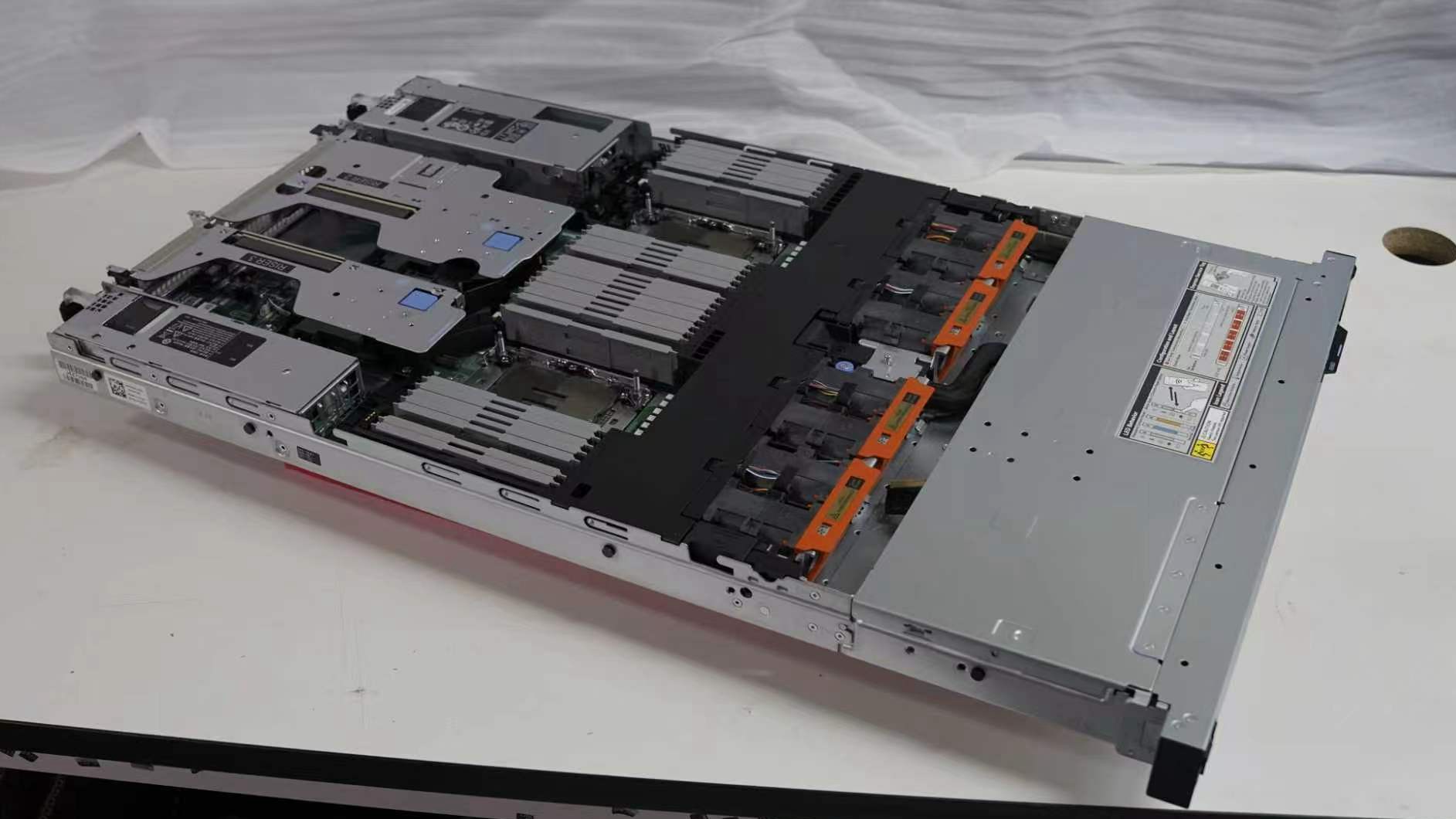
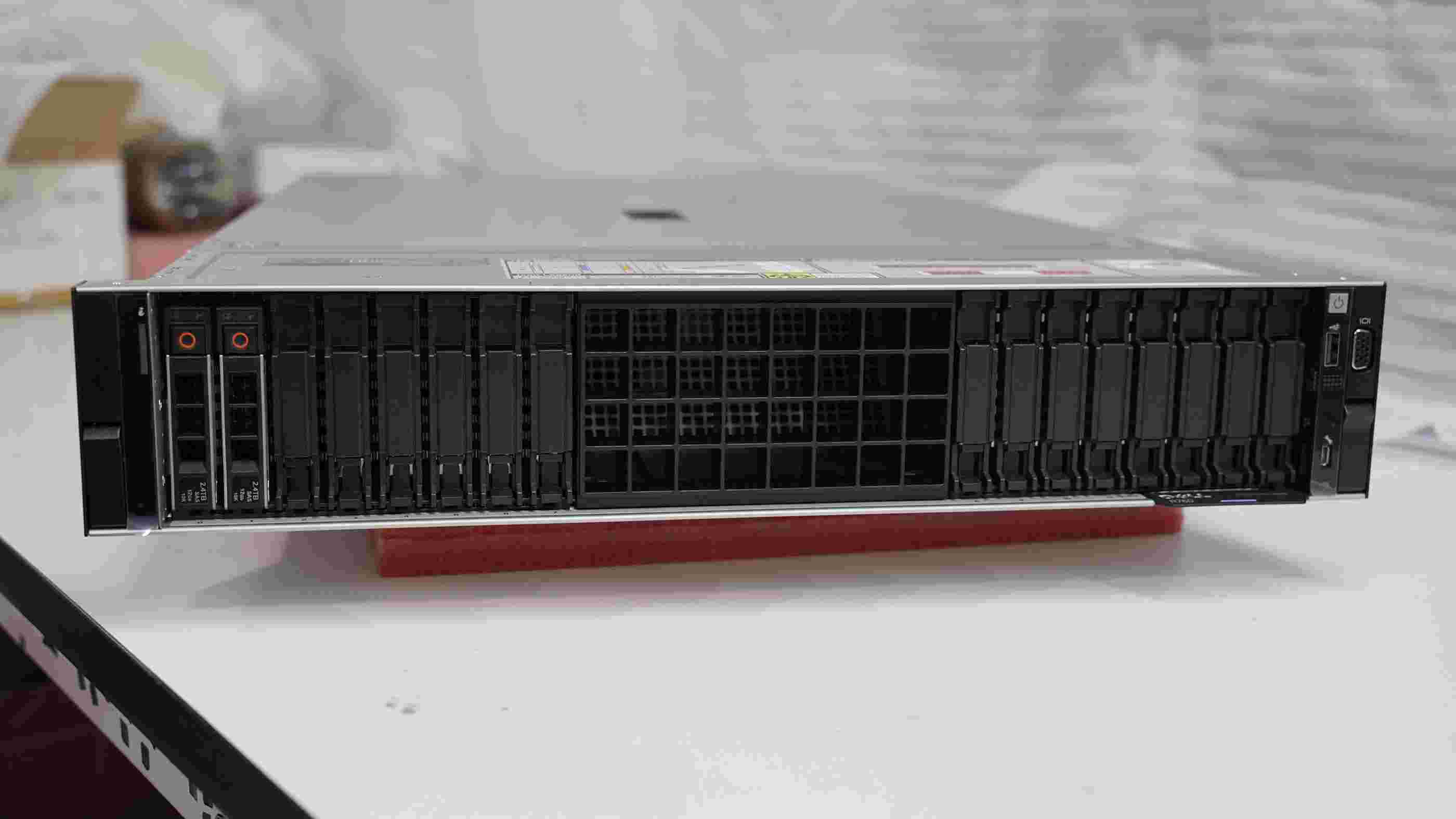
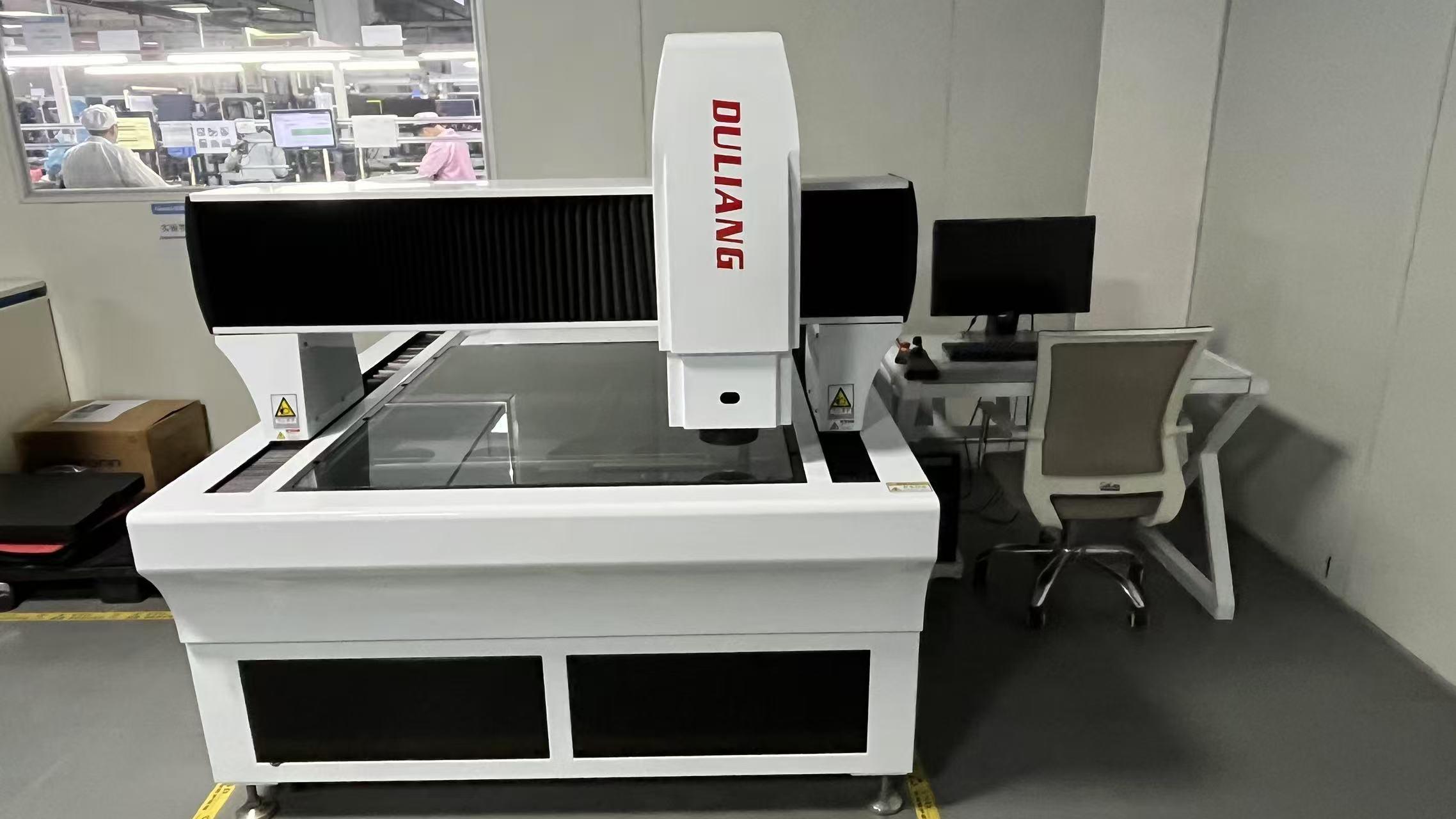
A visual tour of our modern engineering labs, automated testing racks, assembly lines, and global shipping hubs.
Answers to common questions regarding our OEM/ODM custom server services, colocation integration, and global supply logistics.
Explore our range of 2U/4U servers and hardware components optimized for high-capacity colocation architectures.