Neuralinko
Neuralinko
Neuralinko
Deploy optimized hyperconverged nodes and deep learning storage designed to comply with local UK data center standards and PUE directives.
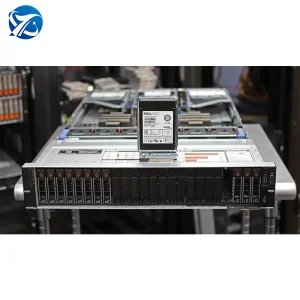
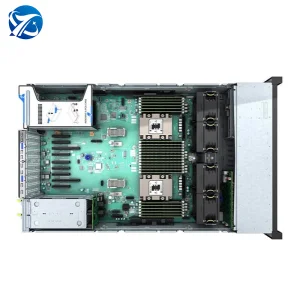
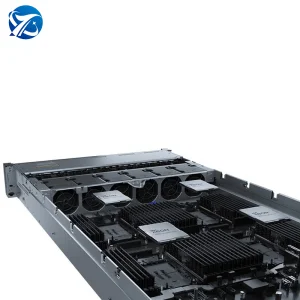
The United Kingdom's digital infrastructure is entering an era of unprecedented evolution. As London remains the primary colocation hub of Europe, satellite data center clusters in Slough, Cardiff, Edinburgh, and the M4 corridor are expanding at accelerated rates to support high-density workloads, AI modeling (including localized DeepSeek LLM fine-tuning), and predictive financial analytics. However, this growth is heavily constrained by power grid availability, carbon-neutrality directives, and strict Power Usage Effectiveness (PUE) targets set by the UK government.
To operate profitably and responsibly within the British market, enterprise operators cannot rely on legacy configurations. High-performance xFusion server platforms address these challenges at the silicon level. By integrating dynamic heat dissipation technologies, support for high-temperature operating environments (up to 45°C ambient), and intelligent power capping, xFusion platforms ensure that UK enterprises maximize computing density per rack unit without exceeding power allocation limits.
Post-Brexit customs dynamics, supply chain volatility, and local compliance regimes require robust procurement pipelines. For IT infrastructure procurement directors sourcing equipment for deployment in the UK, typical challenges include:
All hardware must conform to UKCA (UK Conformity Assessed) markings, RoHS hazardous substance limitations, and electromagnetic emission standards.
Integrated Baseboard Management Controllers (iBMCs) and RAID controllers must feature cryptographically verified firmware updates to prevent supply-chain hardware hacks.
Direct partnership with Neuralinko ensures custom-built, burn-in tested server chassis bypass traditional distribution delays to keep Slough data centers online.
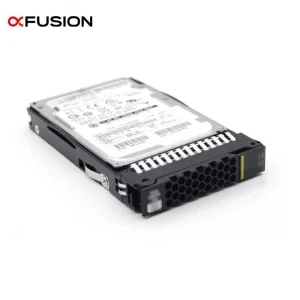
The ability to mix NVMe hot-swappable drives, SAS/SATA backup arrays, and accelerator GPUs within the same rack-level profile.
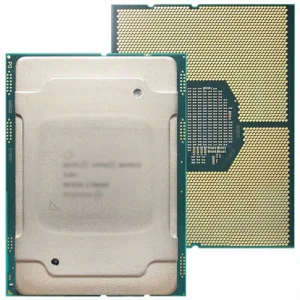
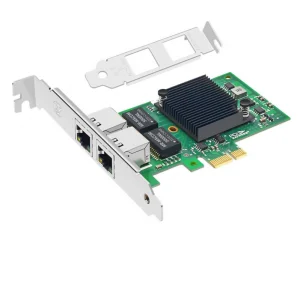
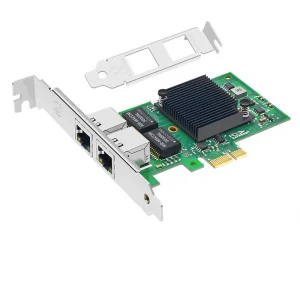
Within the City of London, latency is measured in microseconds. FusionServer 1288H V6 and V7 variants, powered by Xeon Scalable processors, provide sub-millisecond memory controllers and high-frequency clock rates to facilitate rapid trade execution. Optimized PCIe expansion paths allow the integration of low-latency FPGA cards and high-speed NICs directly interfacing with exchange fabrics.
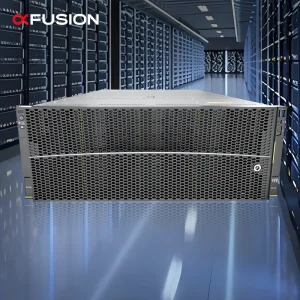
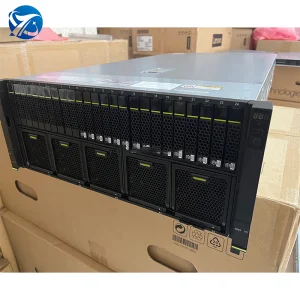
Genome sequencing and MRI diagnostics require high-bandwidth heterogeneous computing. FusionServer 5288 systems offer massive local NVMe/SAS storage capacities coupled with GPU-accelerated workloads. This allows researchers to store massive dataset vaults locally while processing complex protein fold topologies or running neural diagnostic overlays directly on internal rack configurations.
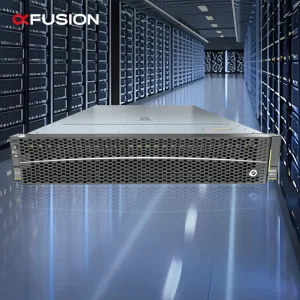
UK-based service providers hosting critical virtual machines (VMs) require multi-tenant isolation, quick live-migrations, and high Core-per-Rack density. Utilizing the hyperconverged xFusion 2288H V6 platform, MSPs can scale horizontally by adding individual compute nodes to the virtual SAN cluster without interrupting host-level active workloads.
| Server Model | Chassis & Density | Processor Compatibility | Ideal Application Verticals | Storage Topology |
|---|---|---|---|---|
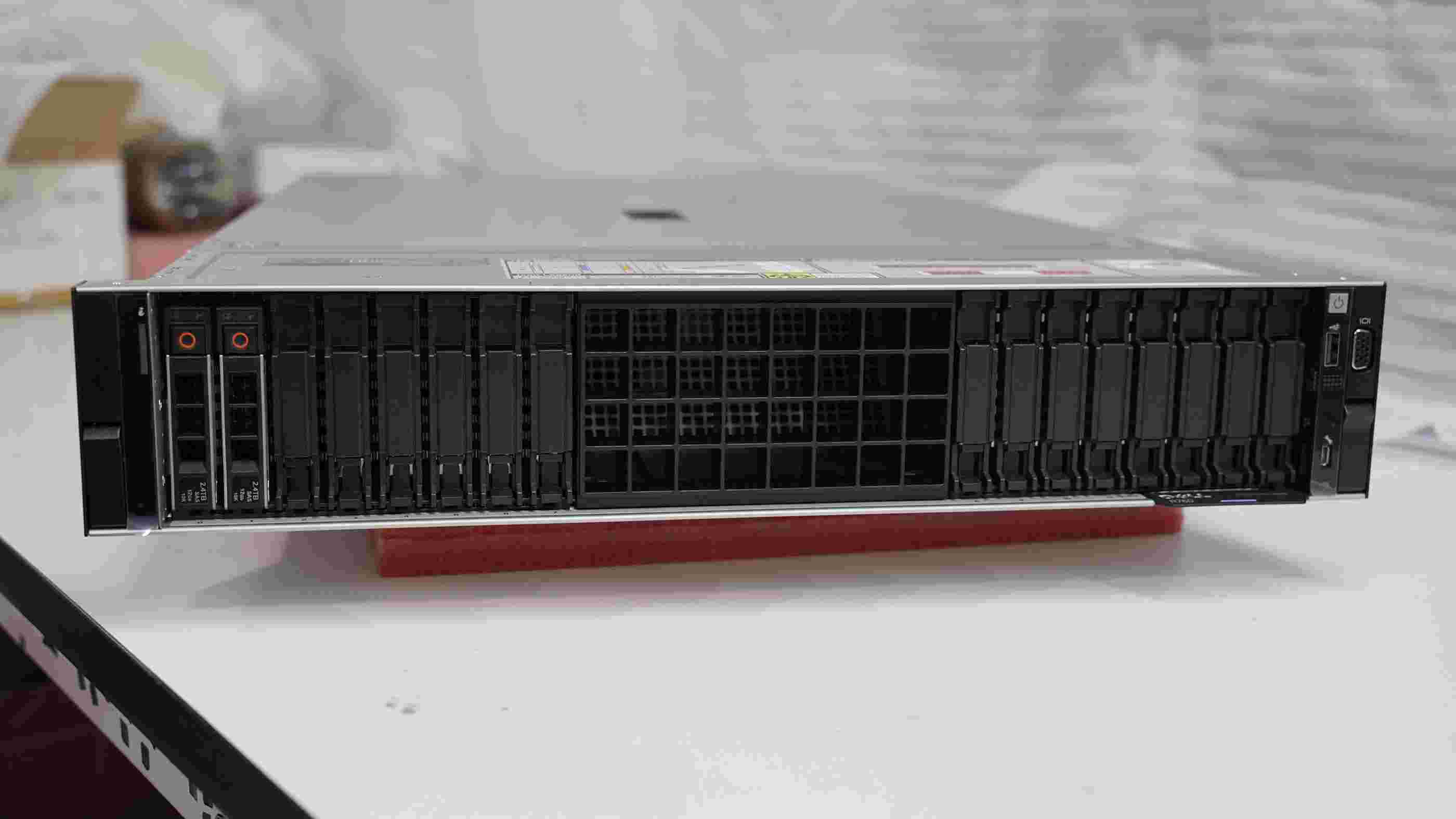
| xFusion 2288H V6 | 2U 2-Socket Rackmount | Intel Xeon Scalable (Gen 3) | Hyperconverged Infrastructure, Enterprise Virtualization | Up to 20x 2.5-inch Drives, NVMe/SAS/SATA |
| FusionServer 2488H V7 | 2U 4-Socket High-Density | Intel Xeon Scalable (Gen 4/5) | AI LLM Fine-Tuning (DeepSeek), High-Memory Databases | Front Hot-Swap NVMe + PCIe Gen5 Expansion |
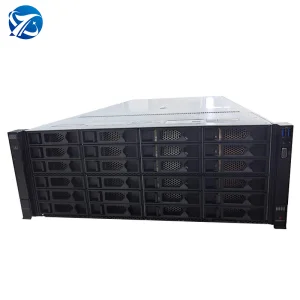
| FusionServer 5288 V6 | 4U Storage-Optimized | Intel Xeon Scalable (Gen 3) | Cold/Warm Archiving, Bioinformatics Data Vaults | High-Capacity 3.5-inch SAS/SATA Arrays |
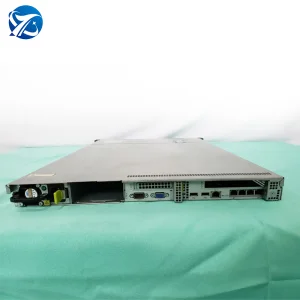
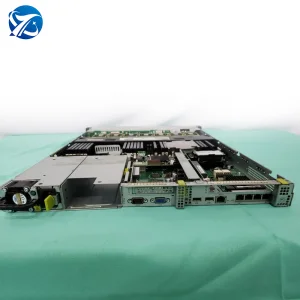
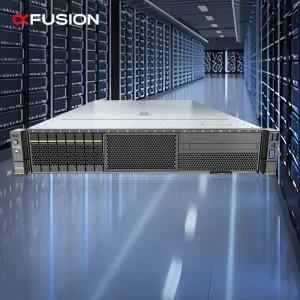
| FusionServer 1288H V6 | 1U Compute Node | Intel Xeon Scalable (Gen 3) | High-Frequency Trading, Cloud Density Scaling | Up to 10x 2.5-inch Drives |
Partnering directly with global system integrators to configure, test, and ship mission-critical computational nodes under rigorous industrial protocols.
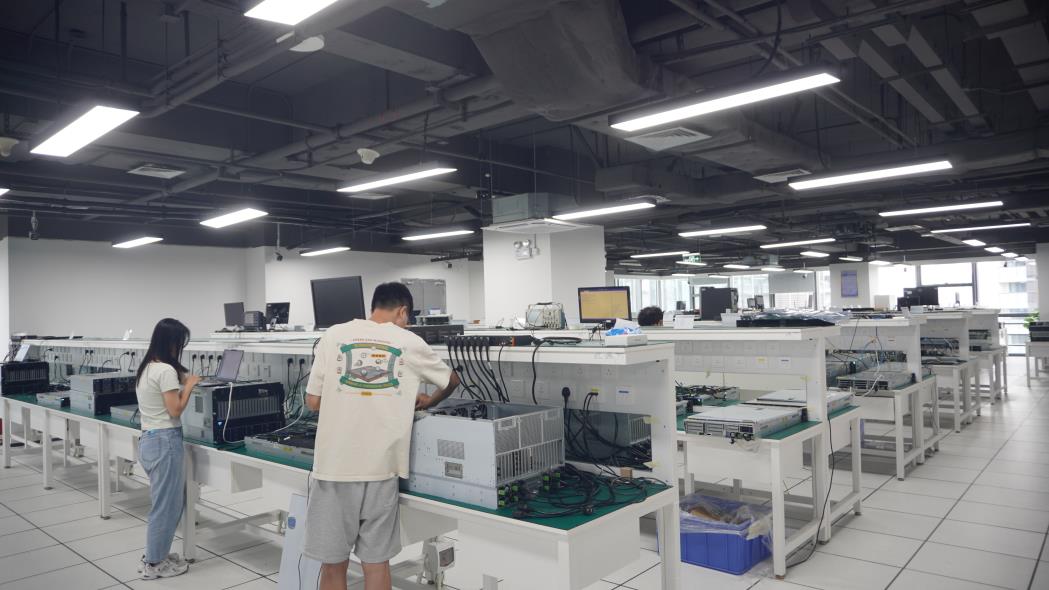
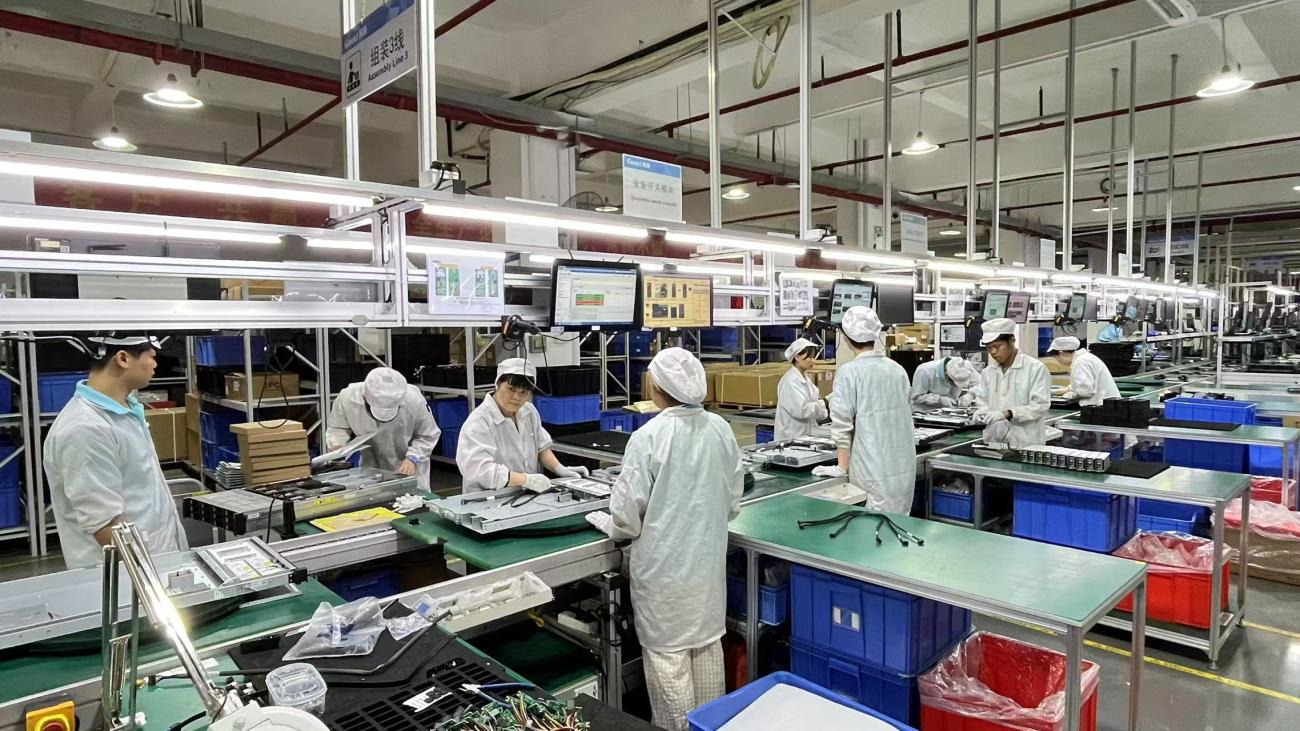
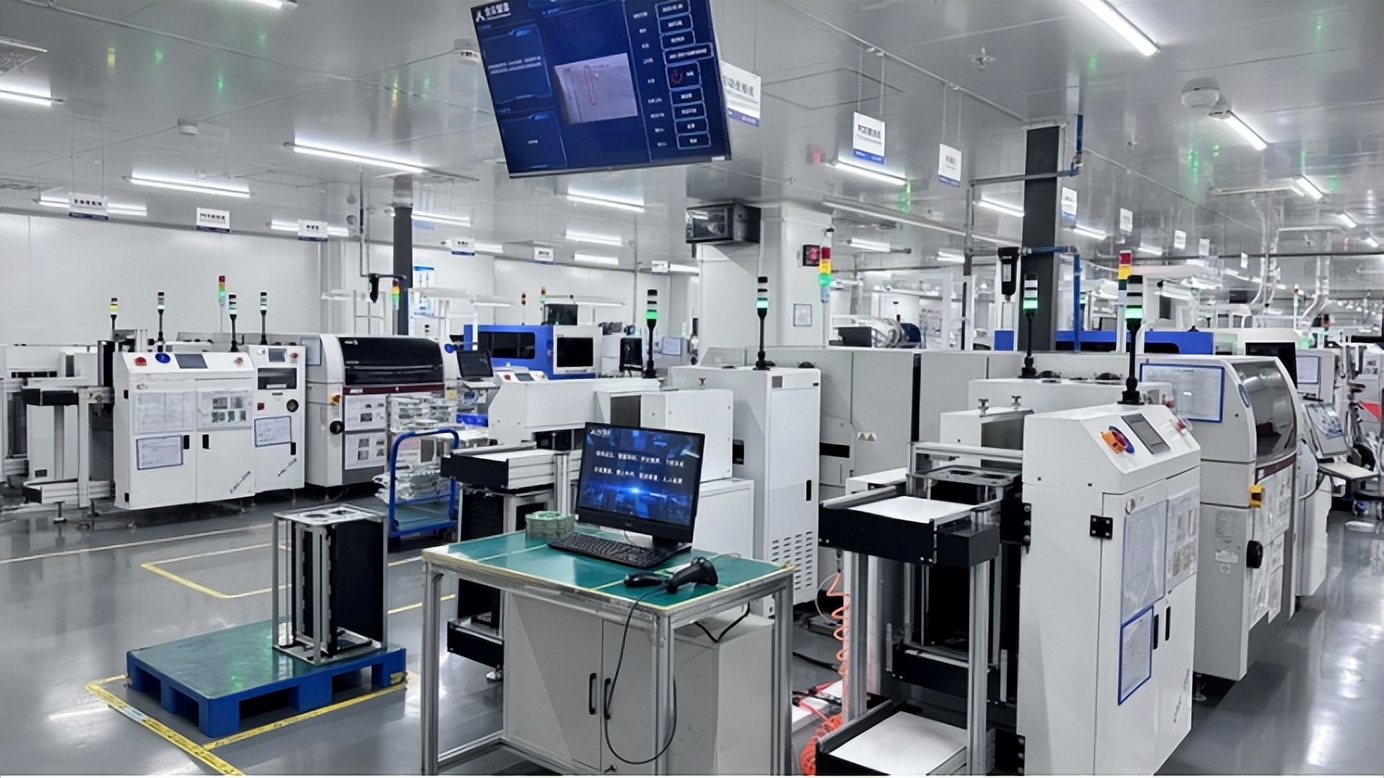
Neuralinko Intelligent Technology Co., Ltd. (established in 2018) is a specialized AI hardware and GPU server manufacturer, providing robust production infrastructure that serves global data centers, including critical installations across the United Kingdom. Operating out of an advanced 386㎡ precision engineering facility, we customize server chassis, optimize cooling dynamics, and conduct thorough platform burn-in testing before any system leaves our bays.
Quality control is implemented as a multi-stage gate system to guarantee field reliability in the UK market:
Every DRAM module, CPU chip-set, RAID standard card (such as XP270-M2 and XC170-M-8i), and PCB motherboard undergoes diagnostic testing for micro-fissures and electromagnetic resistance.
Assembled servers are put through continuous 72-hour thermal stress chambers running at 100% compute load. This maps the thermal signature of copper heat sinks to ensure zero local hot-spots.
Verification of out-of-band management components (IPMI/Redfish API integration) to ensure secure connection points for remote operations staff located in the UK.
Supported by our R&D group, we write customized BIOS profiles, configure custom storage backplanes, and label hardware for deployment inside bespoke containerized units.
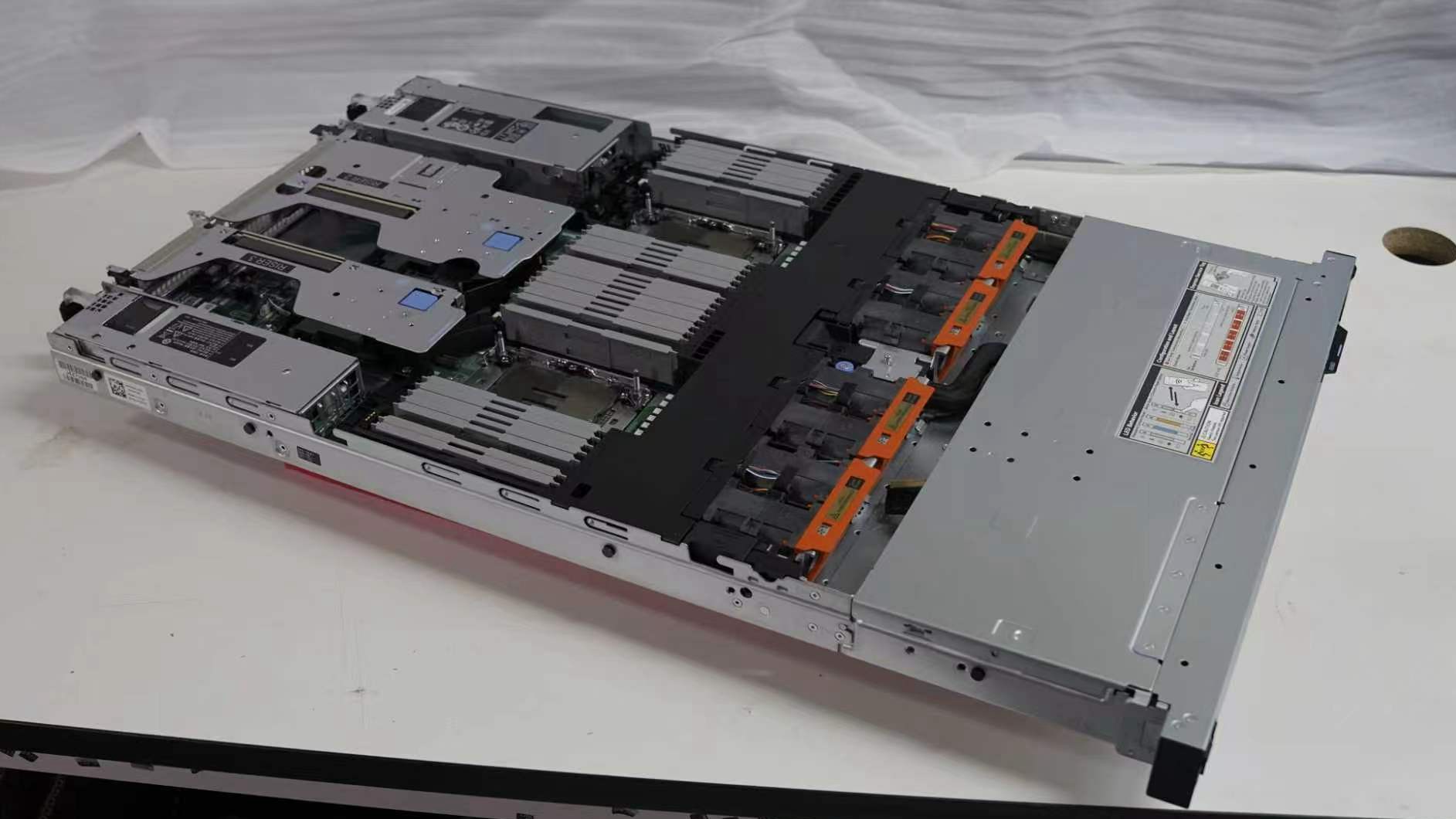

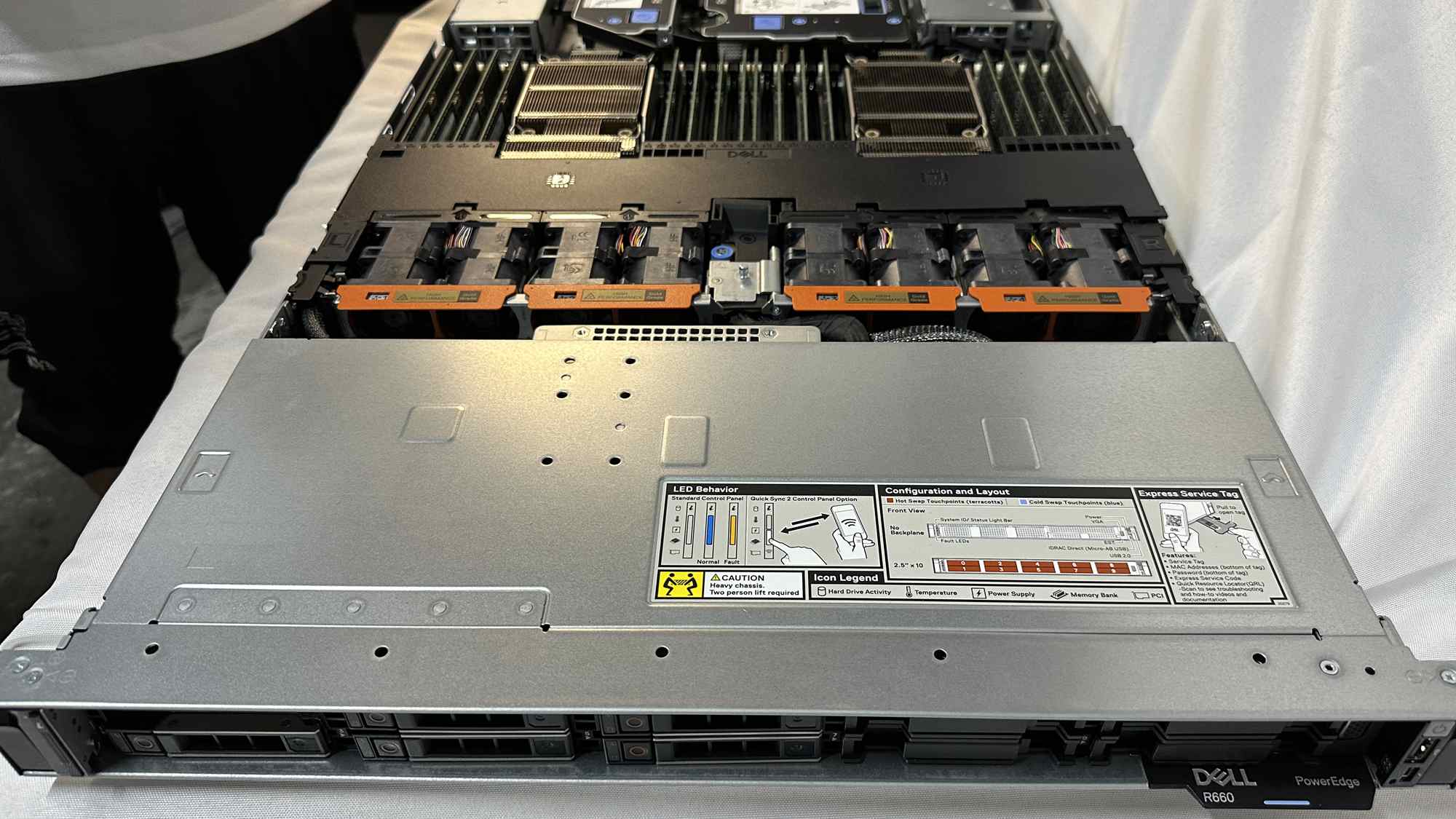


As the industry approaches physical scaling limits on silicon, xFusion's engineering pipeline is focused on next-generation topologies designed to address high density, advanced networking, and localized AI computing requirements:
Conventional air cooling is reaching its maximum heat dissipation threshold. Future xFusion platforms integrated by Neuralinko will implement hybrid cold-plate loops. These loops channel low-conductive cooling fluids directly over the CPU cores and accelerator nodes. Heat is rejected through external radiators, eliminating the need for energy-intensive fans. This enables UK operators to target operational PUEs below 1.15.
Traditional architecture limits memory allocation to specific sockets. Through CXL fabrics, future 2U and 4U systems can pool memory reserves dynamically over high-speed links. If an AI training run (such as a DeepSeek model configuration) requires a sudden memory surge, it can pull RAM from neighboring server nodes in the rack without software latency penalties.
With increasing threats of hardware intercept during global logistics, hardware-level security is essential. Neuralinko's future server configurations will feature a cryptographically sealed hardware root-of-trust chip. The system will only boot if the BIOS, BMC, and storage configuration match the signed signature configured at the factory, protecting UK government and finance clients from hardware-level tampering.
Detailed engineering answers regarding the deployment, electrical compliance, and thermal limitations of xFusion server arrays within UK infrastructures.
Yes. The 1500W enterprise PSUs installed inside the xFusion 2288H V6 are certified Platinum or Titanium high-efficiency units designed for wide-range input. They operate from 100V AC up to 240V AC, meaning they interface directly with the 230V/240V three-phase electrical distributions commonly found in UK hosting hubs. They also include active power-factor correction (PFC) to maintain minimal phase distortion.
The XP270-M2 (utilizing the SAS3808 controller) acts as a dedicated boot controller, supporting hardware-level RAID 0 and 1, as well as JBOD modes. Since it is cache-less and has a compact M.2 footprint, it is ideal for holding the hypervisor (e.g., ESXi or Proxmox VE) or base operating system. The XC170-M-8i (SAS3808iMR) is a 12Gb/s SAS/SATA controller optimized for high-density front storage bays. It handles standard RAID 0, 1, and 10 arrays directly, ensuring high-throughput write performance for scratch space or local virtual machine virtual disks.
Absolutely. The baseboard management controller (iBMC) on xFusion servers features native support for Redfish RESTful APIs, SNMP (v1, v2c, and v3), IPMI 2.0, and standard HTTPS interfaces. This allows your operations team to monitor hardware health, power consumption, fan speed profiles, and chassis temperatures from your existing single-pane-of-glass administrative tools without needing specialized local clients.
Neuralinko provides structured hardware support options. Every enterprise system shipped to the UK undergoes thorough pre-testing by our 42 QC inspectors. In the event of a field fault (e.g., hard disk or module degradation), we dispatch replacement modules directly from our priority supply chains. We can also pre-ship critical spares (like redundant fans, PSUs, and drives) alongside the initial system shipment to ensure minimal MTTR (Mean Time to Repair).
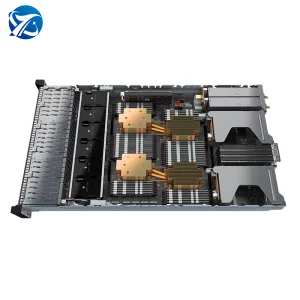
The 2488H series utilizes an advanced multi-zone cooling architecture. Dual-rotor hot-swappable counter-rotating fans pull high-volume airflow across copper-piped, high-density CPU heat sinks. The layout isolates memory zones and compute zones so that exhaust heat from the front processors doesn't cascade into the rear sockets. Airflow is regulated by internal software algorithms that monitor temperature sensors across the motherboard, dynamically adjusting speed curves to minimize fan power draw.
Yes. The FusionServer G5200 V7 and 2488H V7 variants are designed for multi-GPU setups. With PCIe Gen 5 extension slots, they support high-performance accelerator cards. This high bandwidth allows you to run low-latency inferencing pipelines and scale DeepSeek training parameter arrays across nodes.
Full list of components, processor upgrades, and high-performance server configurations for the UK market.