Neuralinko
Neuralinko
Neuralinko
High-efficiency, industry-certified server nodes, custom workstation motherboards, and power distribution systems engineered to maximize datacenter throughput.
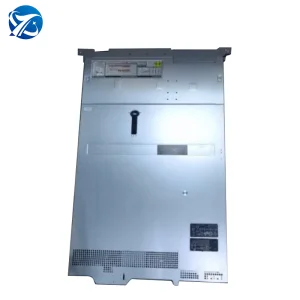
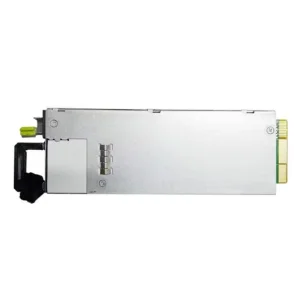
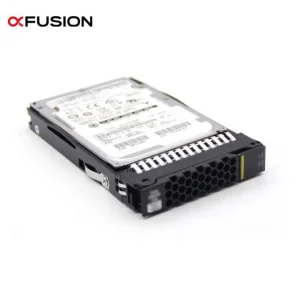
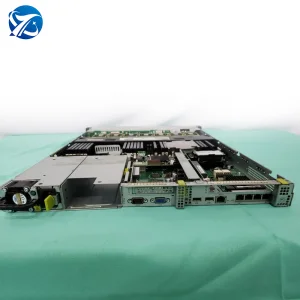
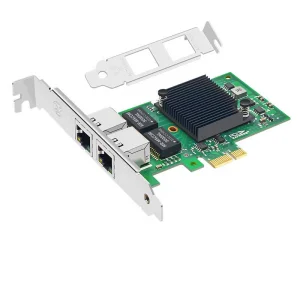
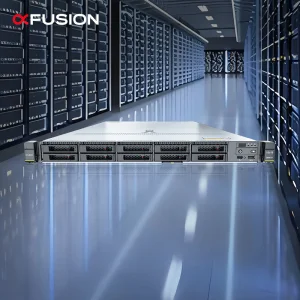
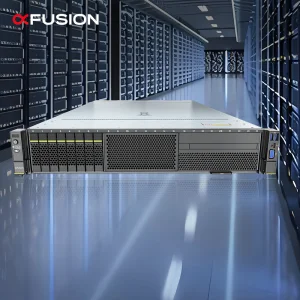
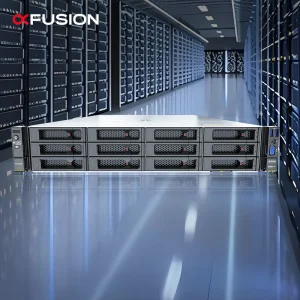
Exploring the structural transformation in enterprise-level high-performance computing, where traditional localized desktops undergo standard migration into AI clusters, cloud-native nodes, and multi-GPU arrays.
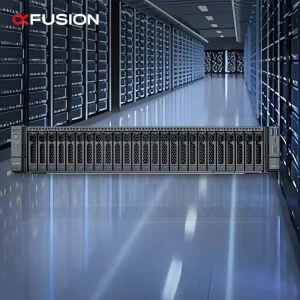
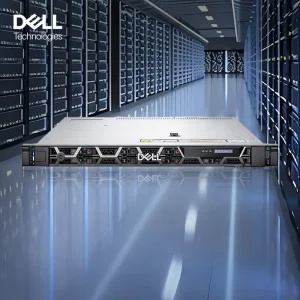
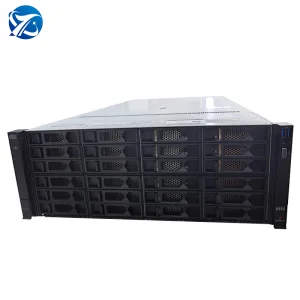
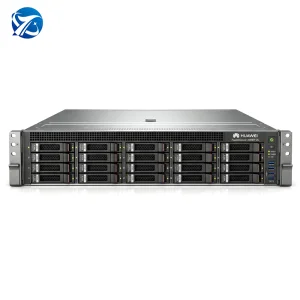
For decades, commercial and engineering workflows relied purely on heavy local desktop hardware setups. In contemporary business structures, however, data visualization, design rendering, and machine learning model validation demand unprecedented density. This has triggered a paradigm shift. Today's "Desktops" are often centralized cluster servers packaged in rackmount form factors—like 1U and 2U configurations—located in local server closets or enterprise clouds to serve multiple client terminals.
These modular solutions act as centralized pools of GPU and CPU resources. They bridge the gap between absolute raw performance and environmental demands (such as acoustics, heat dissipation, and local space constraints), keeping computing power physically secure in a server room while providing remote power to standard desktop interfaces across the office floor.
The rapid rise of specialized AI models, such as DeepSeek, has driven localized high-performance computer architectures to prioritize maximum GPU integration. Organizations are shifting away from public cloud services for sensitive internal models due to data compliance and recurring subscription costs.
Strategic parameters evaluated by CTOs, IT Procurement Directors, and datacenter engineers when integrating heavy industrial compute hardware.
Computing architectures containing multi-core Xeon processors or modern GPU cards operate at elevated thermal outputs. Procurement criteria mandate complex internal layout engineering with custom heat pipe routing, massive high-CFM chassis fan matrices, and multi-zone monitoring systems to maintain system longevity under continuous workload cycles.
Enterprise data environments depend on fast storage technologies like the S4520 SSD Series or high-speed NVMe. Integrated storage controllers require robust caching mechanisms, built-in supercapacitors, and reliable battery-backed write logs, backed by hardware like the LSI 9560-16I array cards, to protect critical files against unexpected power losses.
Continuous service delivery demands 80 Plus Platinum or Titanium modular power solutions (PSU). High-amperage systems supporting 900W, 1500W, and 2000W output must feature automated load-balancing, hot-swappable dual units, and broad range input capabilities (AC/DC) to easily handle erratic grid voltage fluctuations.
How our manufacturing ecosystems, technology partnerships, and rigorous production workflows deliver industry-certified IT solutions worldwide.
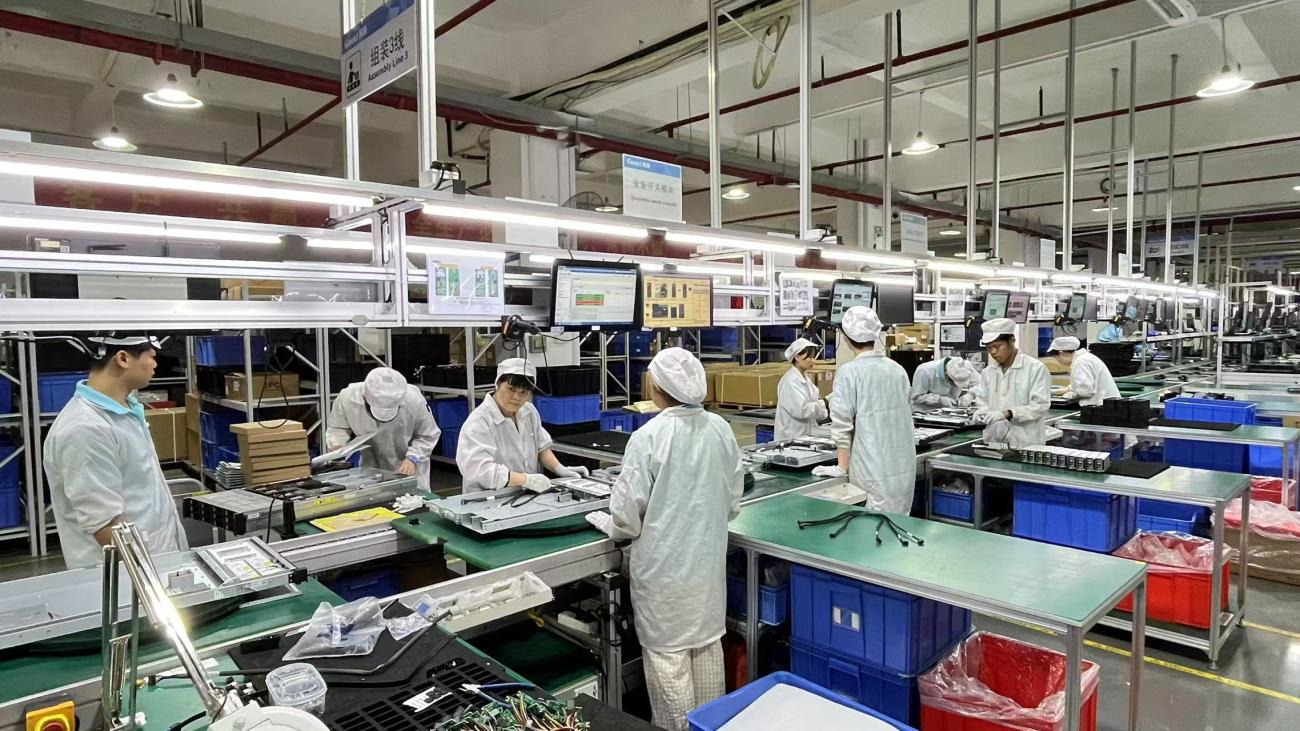
Neuralinko Intelligent Technology Co., Ltd. is a leading-edge AI server manufacturer specializing in high-performance GPU systems, customized datacenter hardware, and enterprise computing infrastructures. Established in 2018, Neuralinko operates an advanced, highly optimized 386㎡ production and engineering facility. Driven by technical expertise, we design, benchmark, and deploy mission-critical architectures tailored to handle workloads like machine learning, large language models (LLMs), ERP systems, and cloud databases.
With over 8 years of hardware production experience and 6 years of global export history, we have established a strong presence across key regions, including North America, Europe, Southeast Asia, the Middle East, and Australia. Our production ecosystem is built on strict quality control protocols, which include:
Our collaborative network with over 1,200 supply chain partners ensures we secure Tier-1 components at competitive rates, maintaining consistent assembly operations even during global component shortages. This supply chain stability enables us to offer versatile OEM and ODM services, supporting custom chassis designs, BIOS branding, tailormade power delivery boards, and full-rack integration setups.
Furthermore, our dedicated 118-member R&D team continuously updates and refines hardware configurations, successfully releasing 126 new system variations last year alone to meet the dynamic needs of the enterprise computing market.
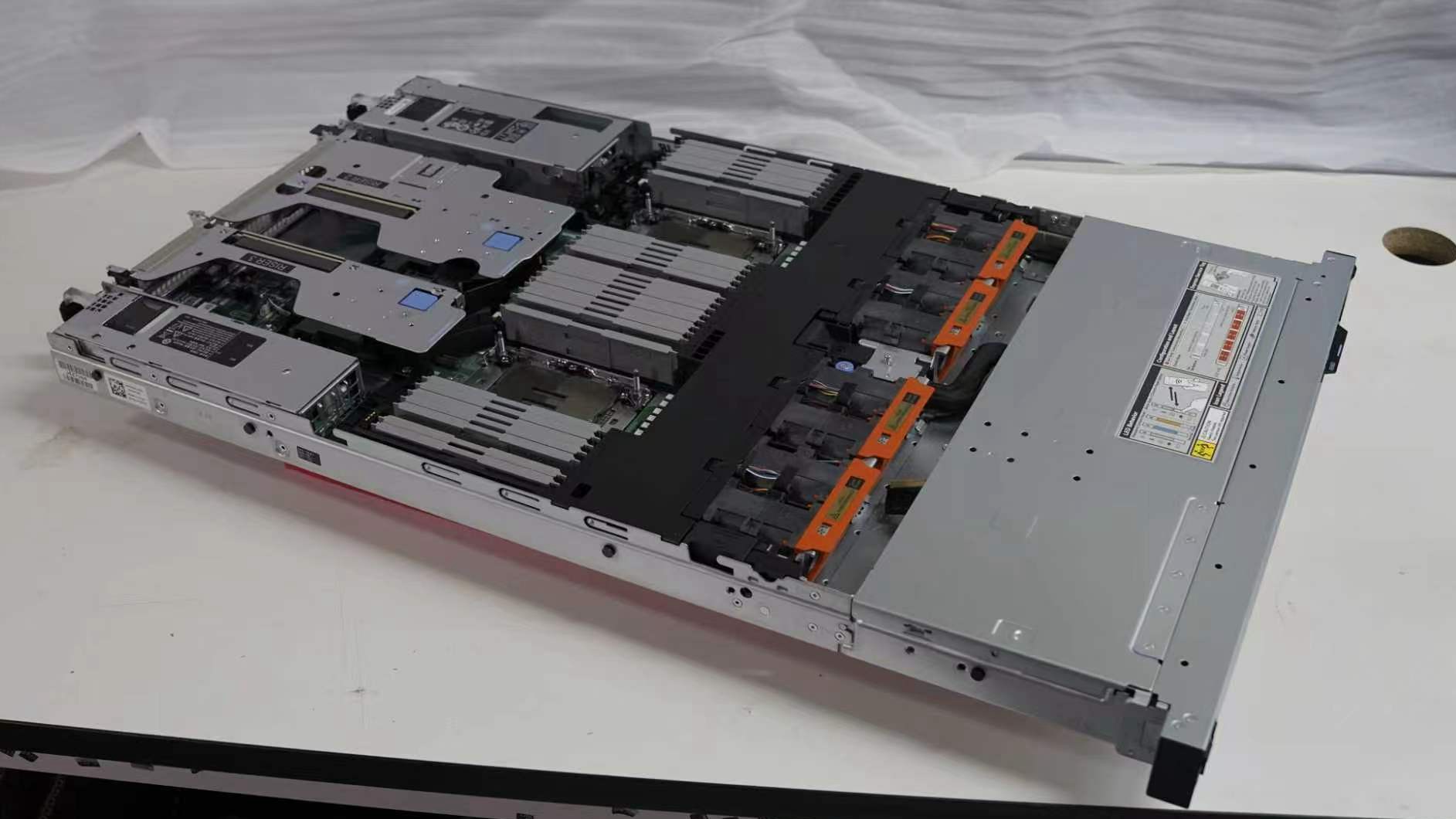
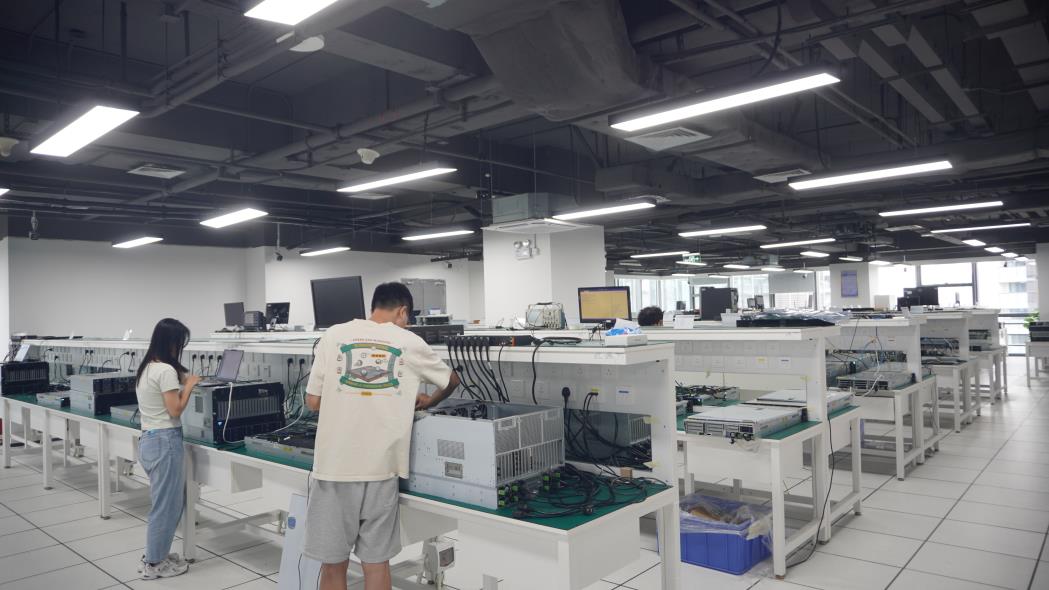
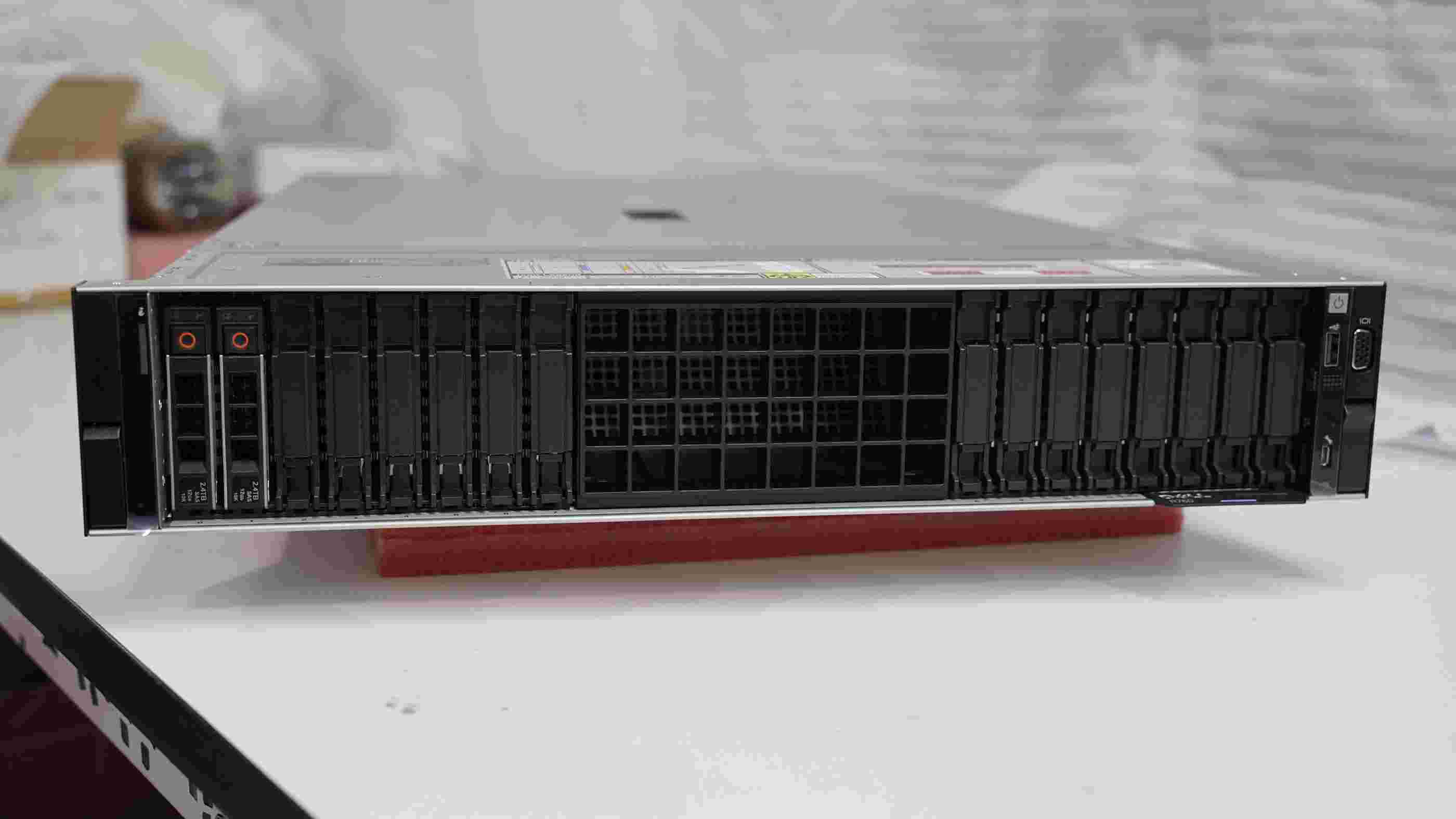
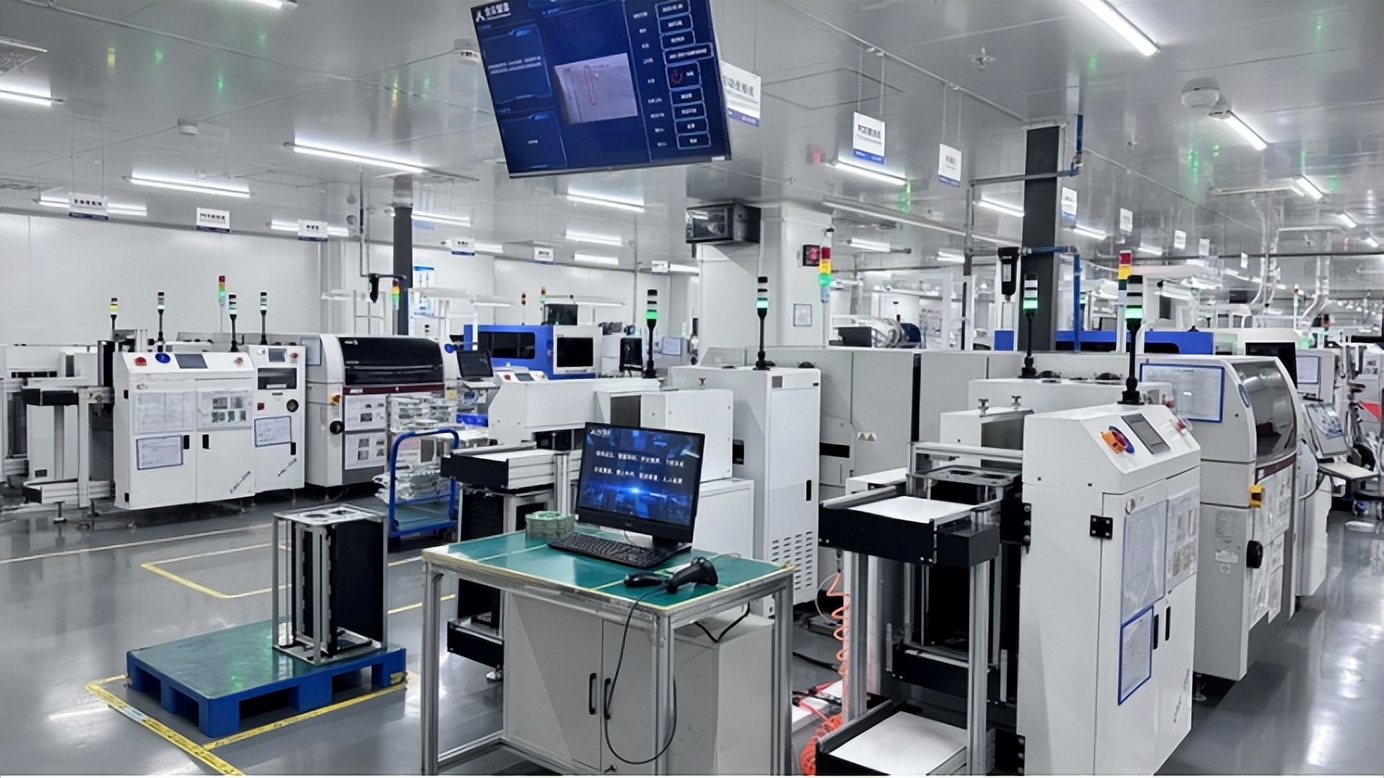
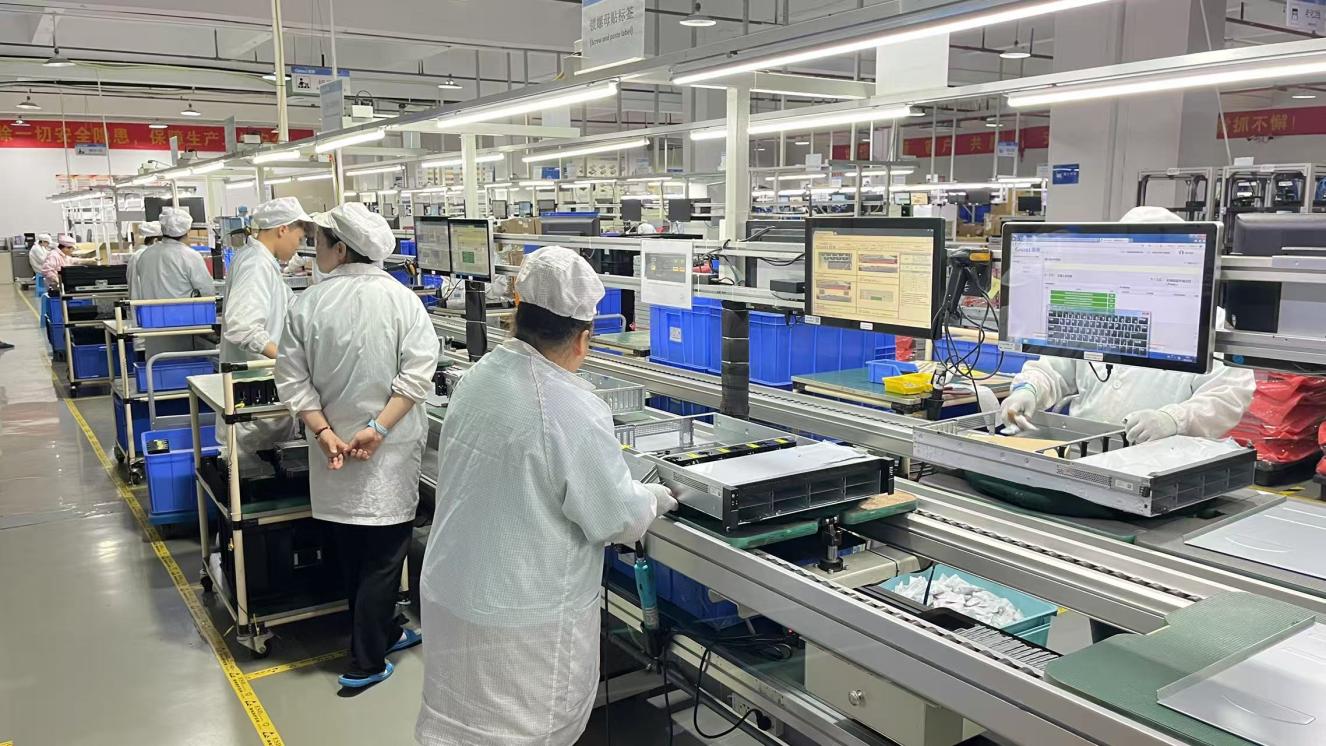
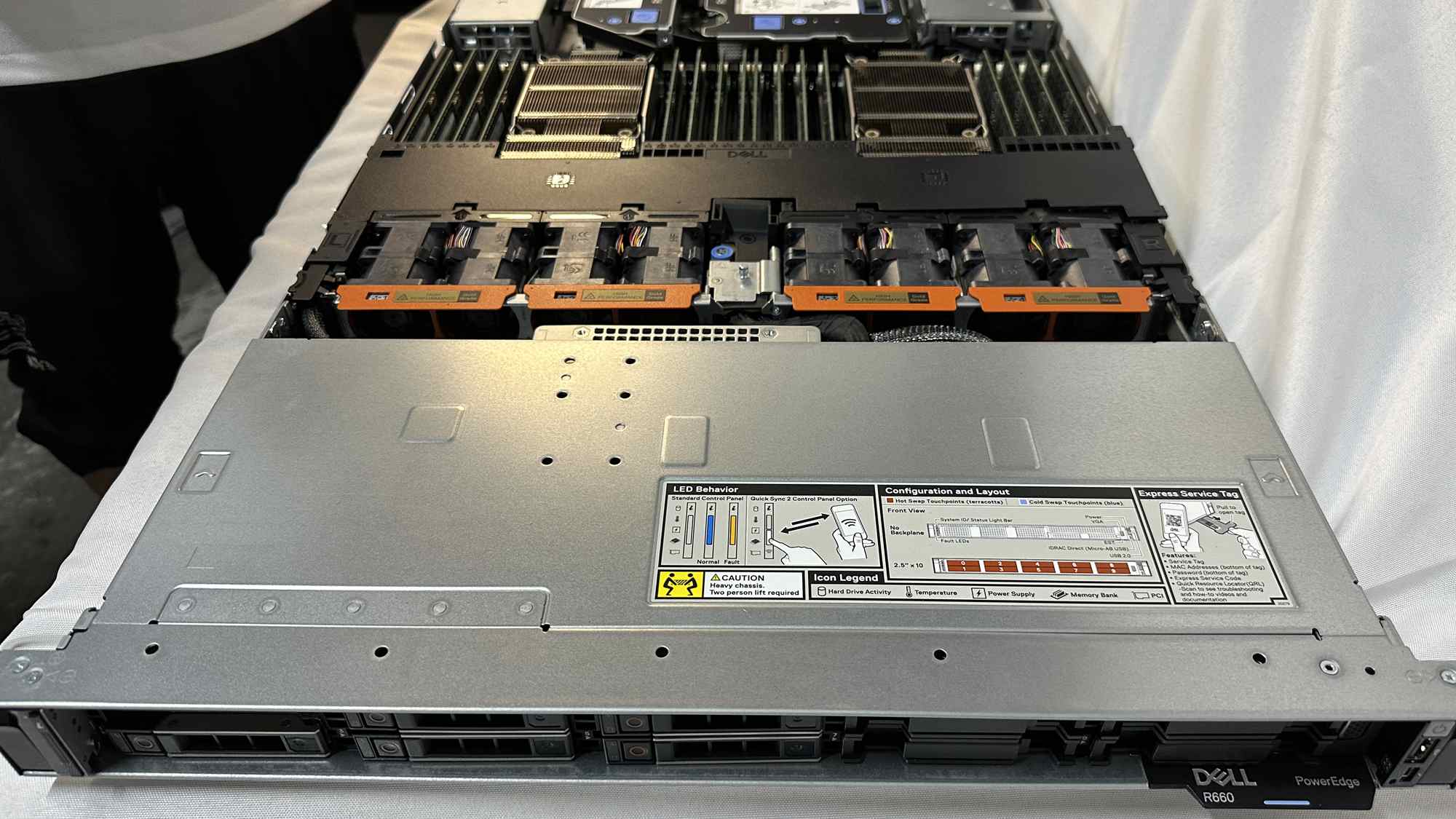
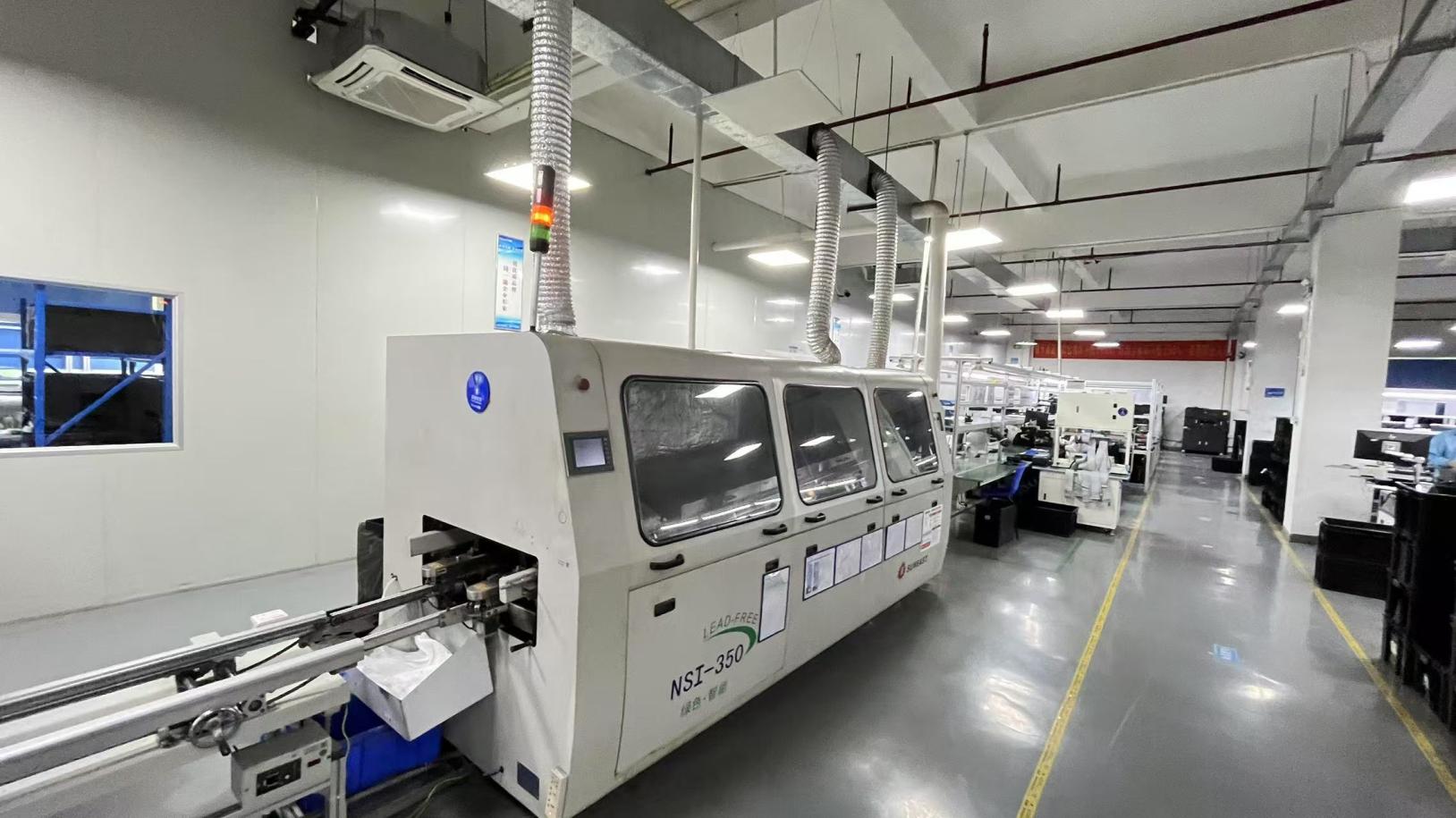
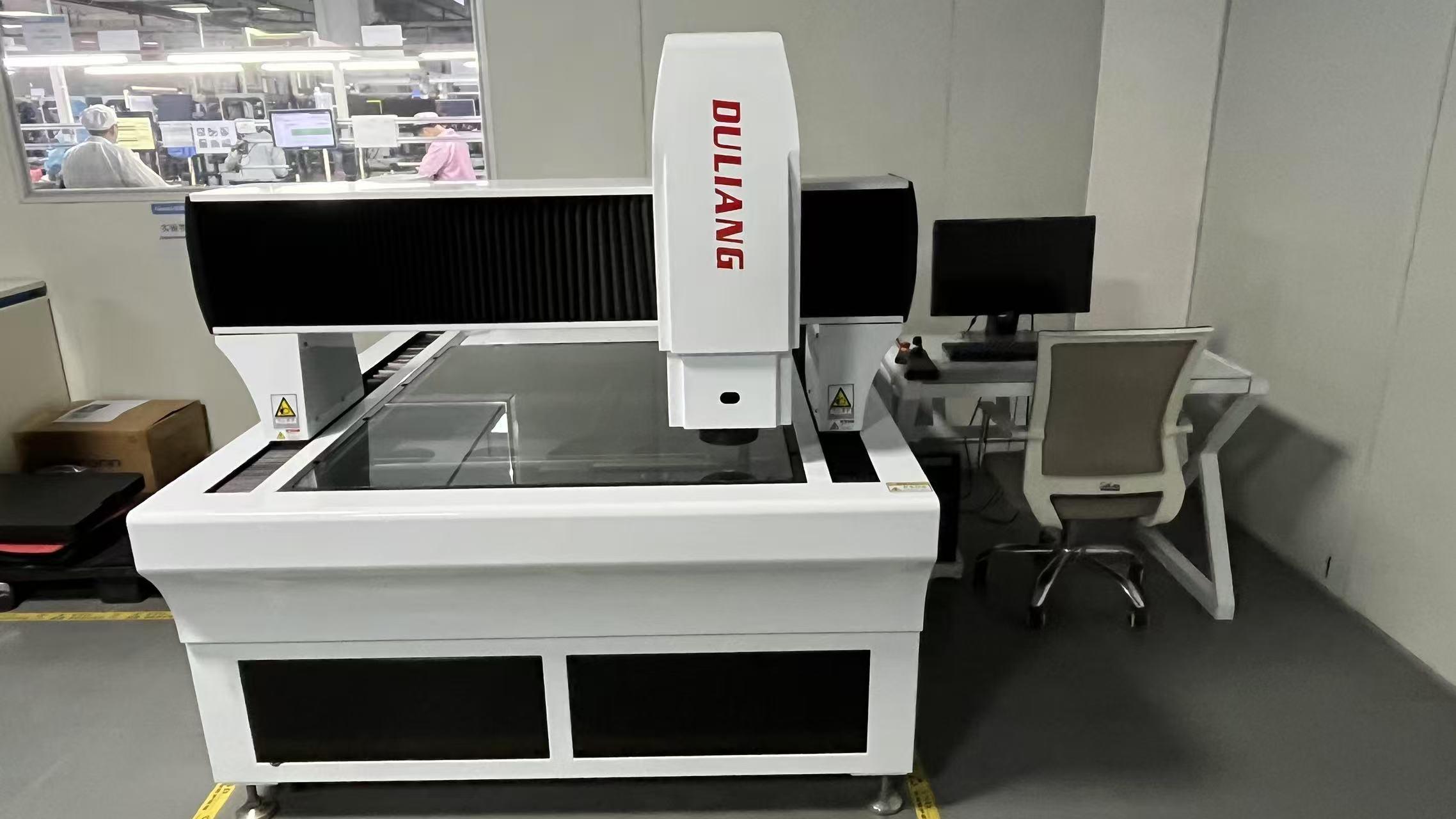
Understanding how modern desktop servers, GPU-rich nodes, and optical core networks drive enterprise productivity.
In modern industrial setups, latency requirements make raw cloud integration impractical. By deploying localized 1U/2U server nodes configured with deep learning accelerators right on the manufacturing floor, factory operators can perform micro-second defects checkouts. This local setup enables immediate processing of high-resolution digital camera streams to detect micro-cracks or packaging errors in real time, avoiding the latency overhead of off-site cloud platforms.
CAD, CAE, architectural simulations, and high-fidelity video processing demand significant graphic resources. High-performance multi-GPU workstation racks allow design teams to offload complex local rendering runs to a unified processing unit. This shared setup improves hardware utilization, reduces heat and noise in office workspaces, and secures sensitive intellectual property within local datacenter limits.
Detailed technical answers addressing hardware compatibility, operational logistics, custom chassis setups, and quality assurance processes.
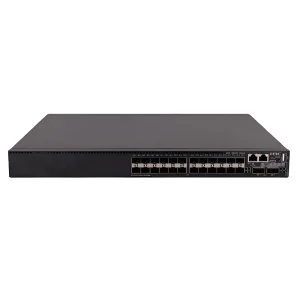
High-performance AI workstation motherboards, storage arrays, 10G high-speed core switches, and rack server configurations.