Neuralinko
Neuralinko
Neuralinko
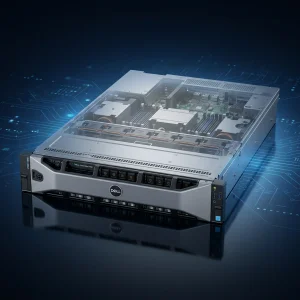
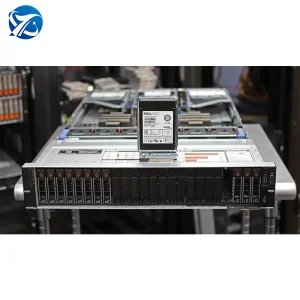
Pre-validated compute nodes optimized for enterprise operating systems, featuring advanced thermal control, multi-socket Intel Xeon architectures, and enterprise-grade system storage.

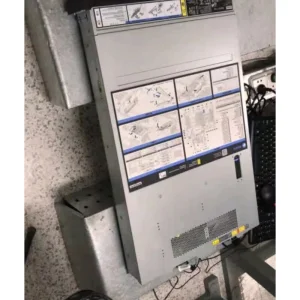

Why modern compute centers require seamless integration of specialized Operating Systems and raw physical infrastructure.
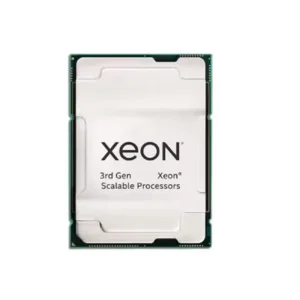
Modern Chinese server operating systems like openEuler, KylinOS, and Anolis OS incorporate dedicated scheduling policies engineered for multi-core processors. These schedulers optimize NUMA (Non-Uniform Memory Access) node latency, ensuring Intel Xeon and specialized ARM platforms bypass conventional scheduling bottlenecks.
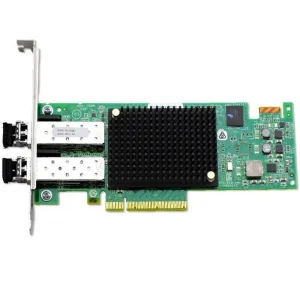
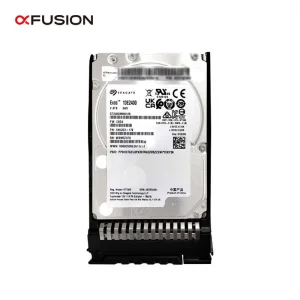
Operating systems must handle ultra-low latency NVMe arrays (such as the PM9A3 Series NVMe PCIe SSDs) and Fibre Channel HBA structures (such as the Emulex LPE35000). By rewriting storage stack drivers, Chinese suppliers achieve substantial IOPS improvements compared to legacy generic distributions.
With integrated container-runtime acceleration and hypervisor kernels (such as StratoVirt), China's OS providers support lightweight micro-virtualization. This enables sub-second boot times and minimal memory footprints, crucial for cloud-native infrastructure and web centers.
Unlocking supply chain speed, custom BIOS firmware optimization, and strict hardware validation at scale.
A detailed architectural comparison of China's leading server operating systems compared to standard global distributions.
| OS Distribution | Upstream Base | Optimized Hardware Platform | Core Capabilities | Primary Deployment Use Case |
|---|---|---|---|---|
| openEuler | EulerOS (Linux Kernel-based) | x86_64 (Intel Xeon / AMD EPYC), ARM64 (Kunpeng) | StratoVirt virtualization, KAE accelerator support, iSula container engine | High-Performance Cloud Databases, Big Data & HPC Servers |
| KylinOS (V10 SP3) | Debian / CentOS compatible | Multi-architecture (Intel, AMD, Phytium, Loongson) | National-grade security certification, optimized file system throughput | Government Administration, Banking Kernels, Smart Grids |
| Anolis OS | CentOS Downstream / OpenAnolis | Intel Xeon, xFusion Rack Servers, Cloud Instances | Built-in Cloud-Native optimizations, robust security vulnerability patching | E-commerce Infrastructures, Hyper-converged Clouds (HCI) |
| UnionTech UOS | Deepin Linux Core | x86, ARM, MIPS, Alpha architectures | Granular user interface control, optimized desktop-to-server workspace coordination | Office OA Systems, Network Storage Servers (NAS), Web Servers |
| Generic CentOS / RHEL | Red Hat Enterprise Linux | Standard x86_64 architectures | Broad community support, conservative update cycles | Legacy Enterprise web servers, generic virtual machines |
*Note: Choosing an operating system optimized for specific server hardware architectures ensures optimized performance of key hardware subsystems like HBA cards, NVMe SSDs, and multi-socket CPU systems.
Architecting production-ready hardware environments for targeted computing workloads.
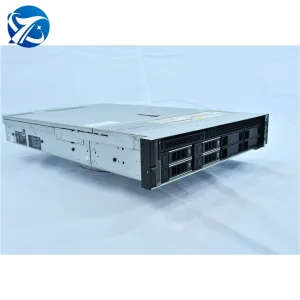
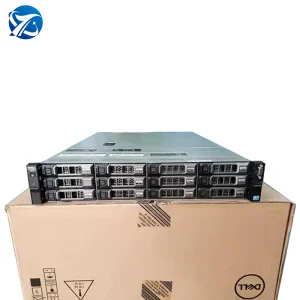
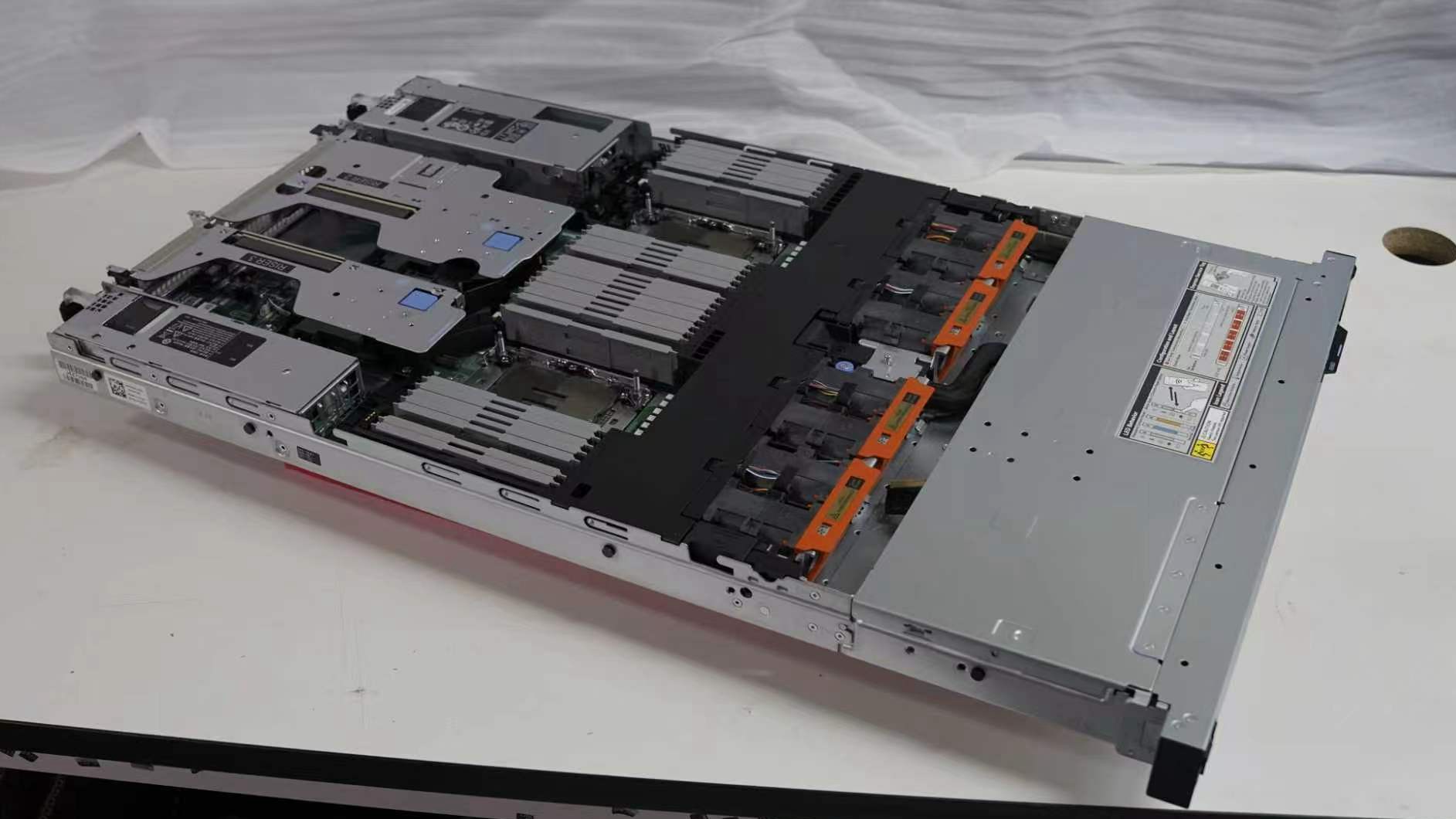
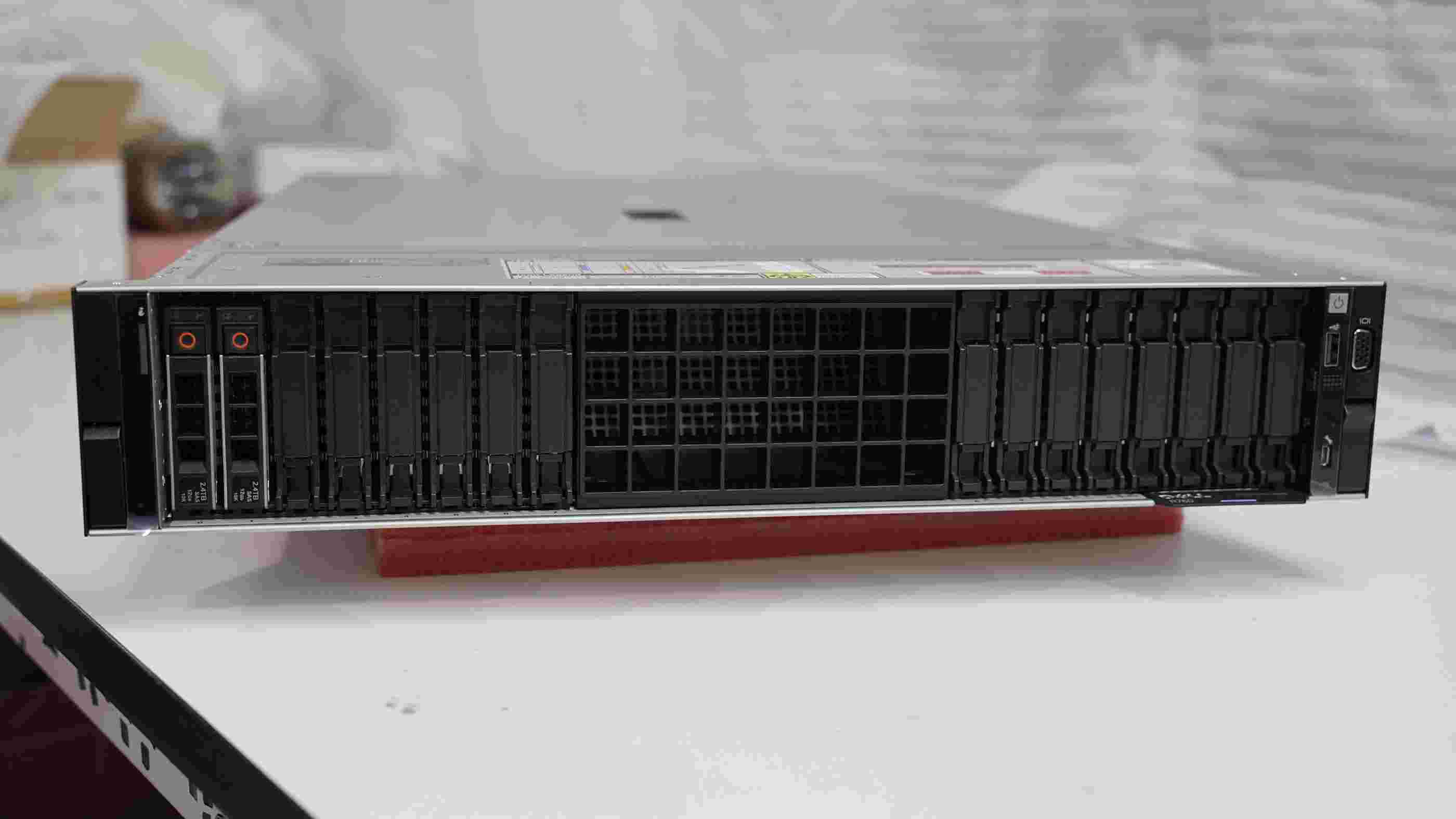
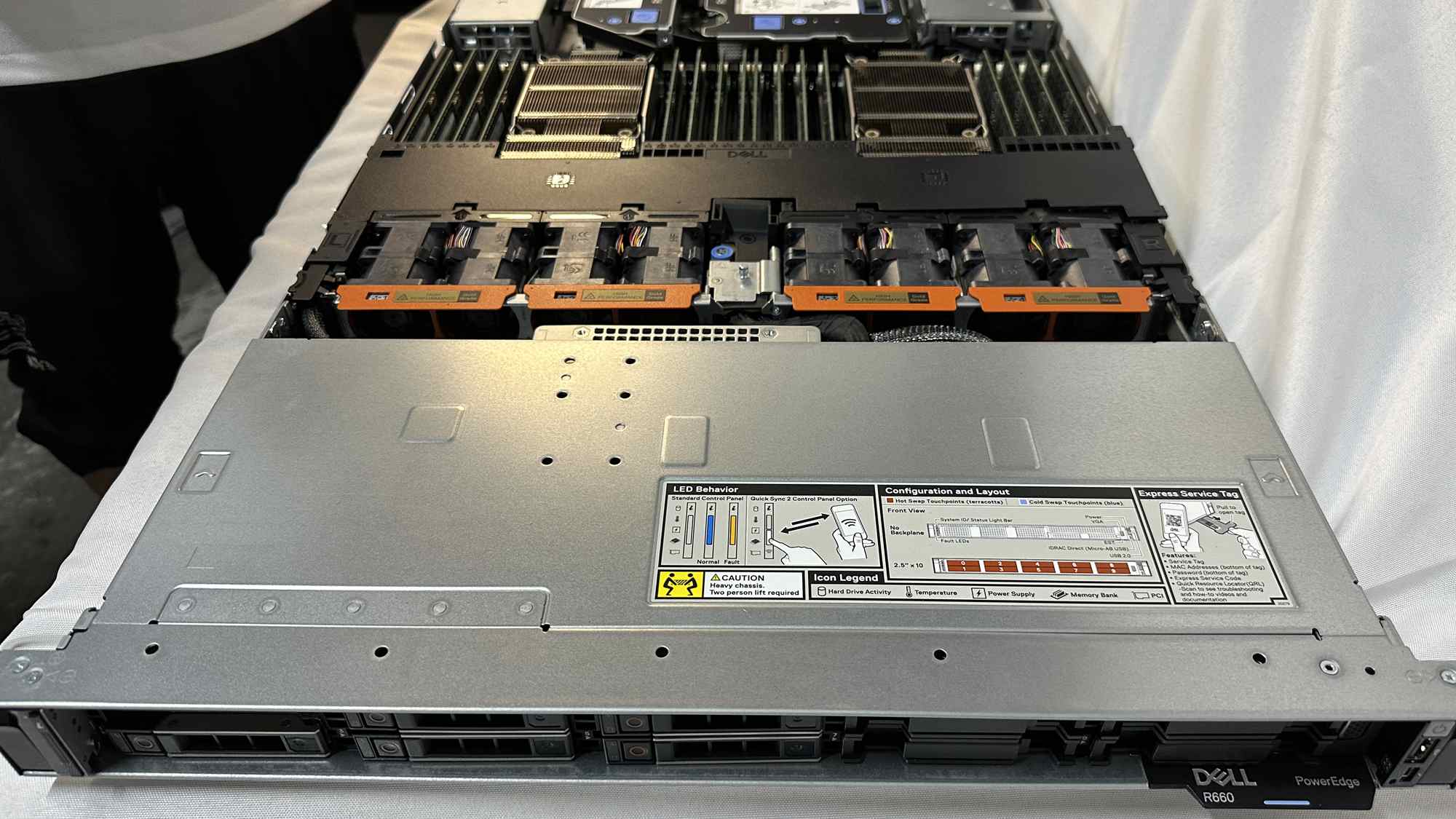
Financial clusters require continuous uptime. Modern operating systems pre-installed on dual-socket platforms like the Dell PowerEdge R760XS utilize advanced clustering software and kernel patches to guarantee hot-swappable storage capability and instant failover transitions.
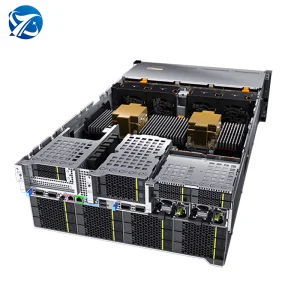
Deploying Large Language Models (such as Deepseek) requires coordinated GPU workloads. By pre-tuning operating system kernels to manage PCIe lanes and high-bandwidth memory allocation, hardware platforms like the xFusion 5885H V7 maximize GPU-to-CPU communications with minimal latency overhead.
Data repositories demand deep storage integrity. Operating systems pre-integrated with advanced file systems (like OpenZFS or XFS tuning) provide built-in checksum verification and automated scrub routines on high-volume NAS units like the FusionServer 5288 V6, protecting against silent data corruption.
Ensuring compliance, supply security, and customized hardware configurations for international procurement.
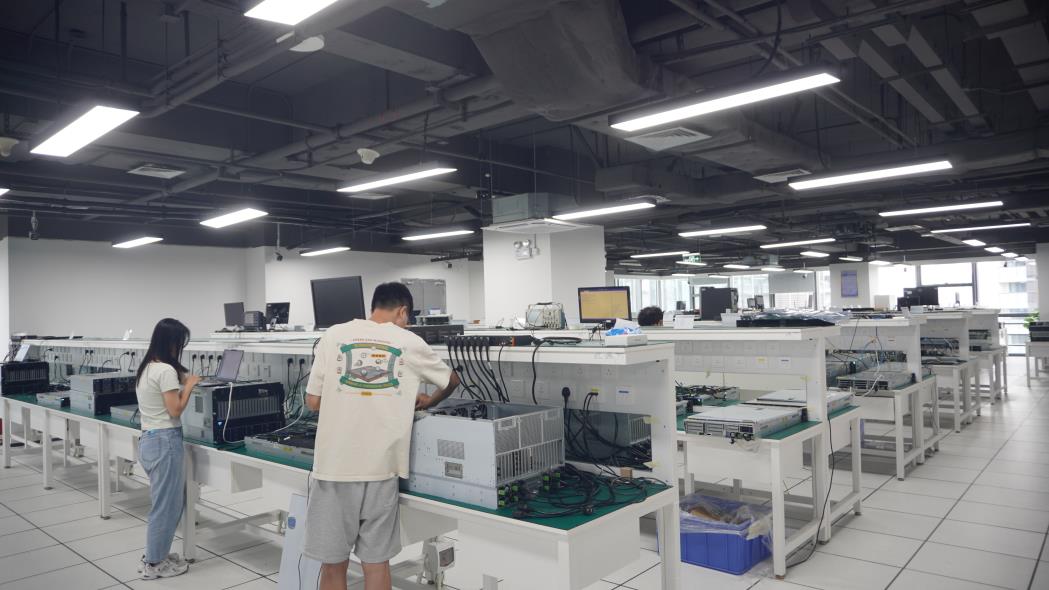
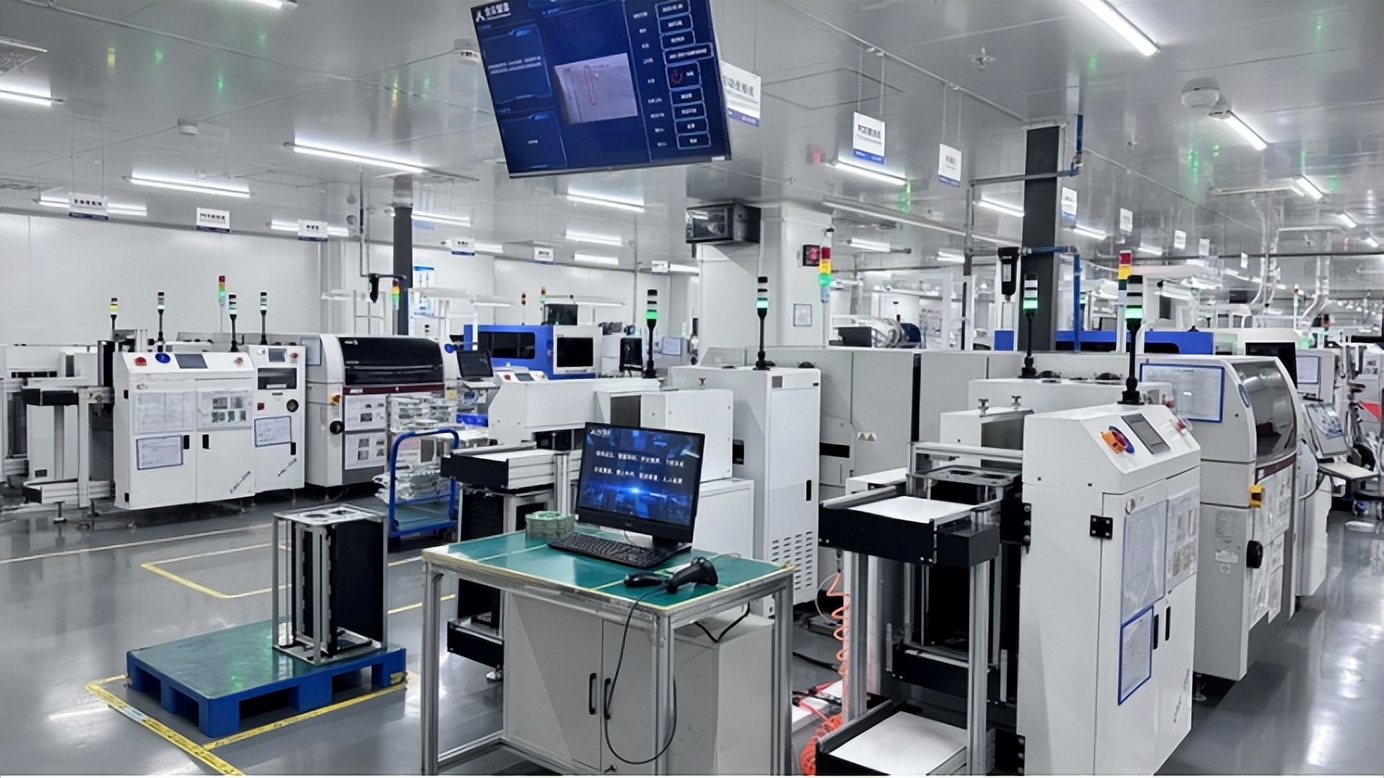
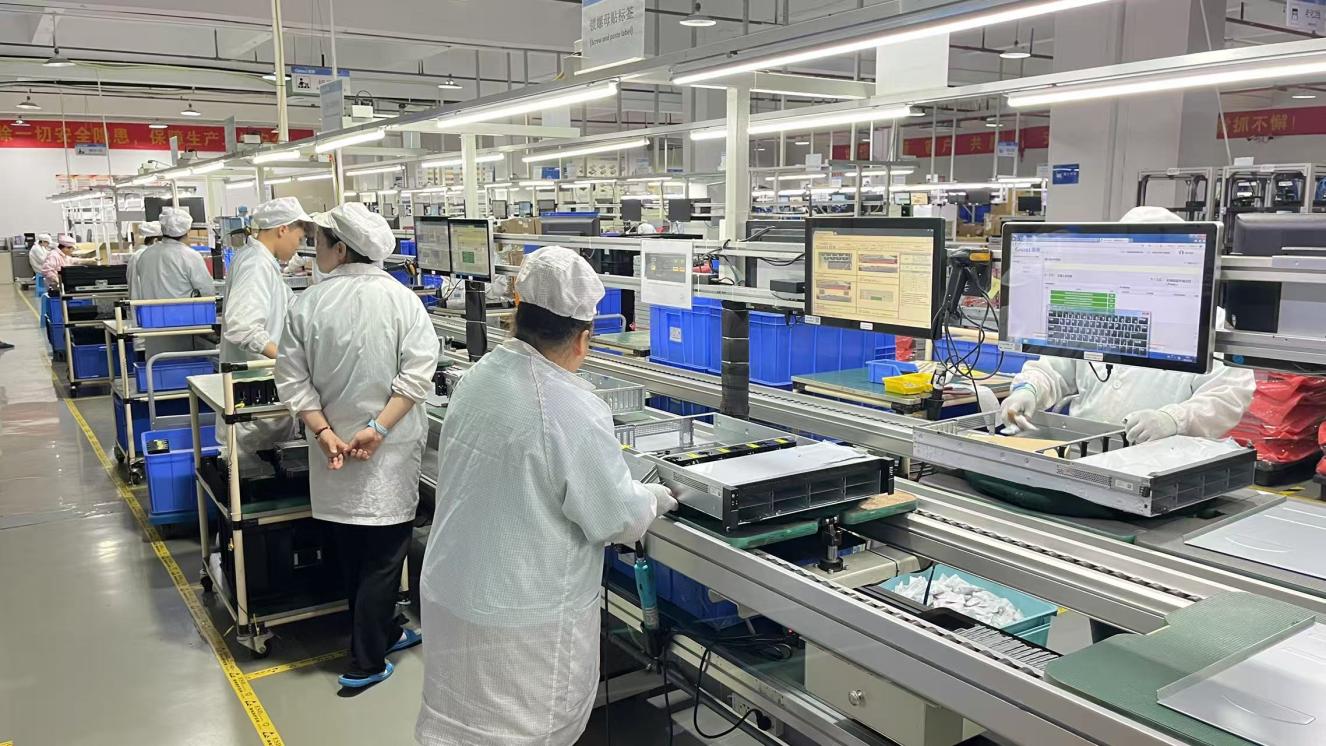
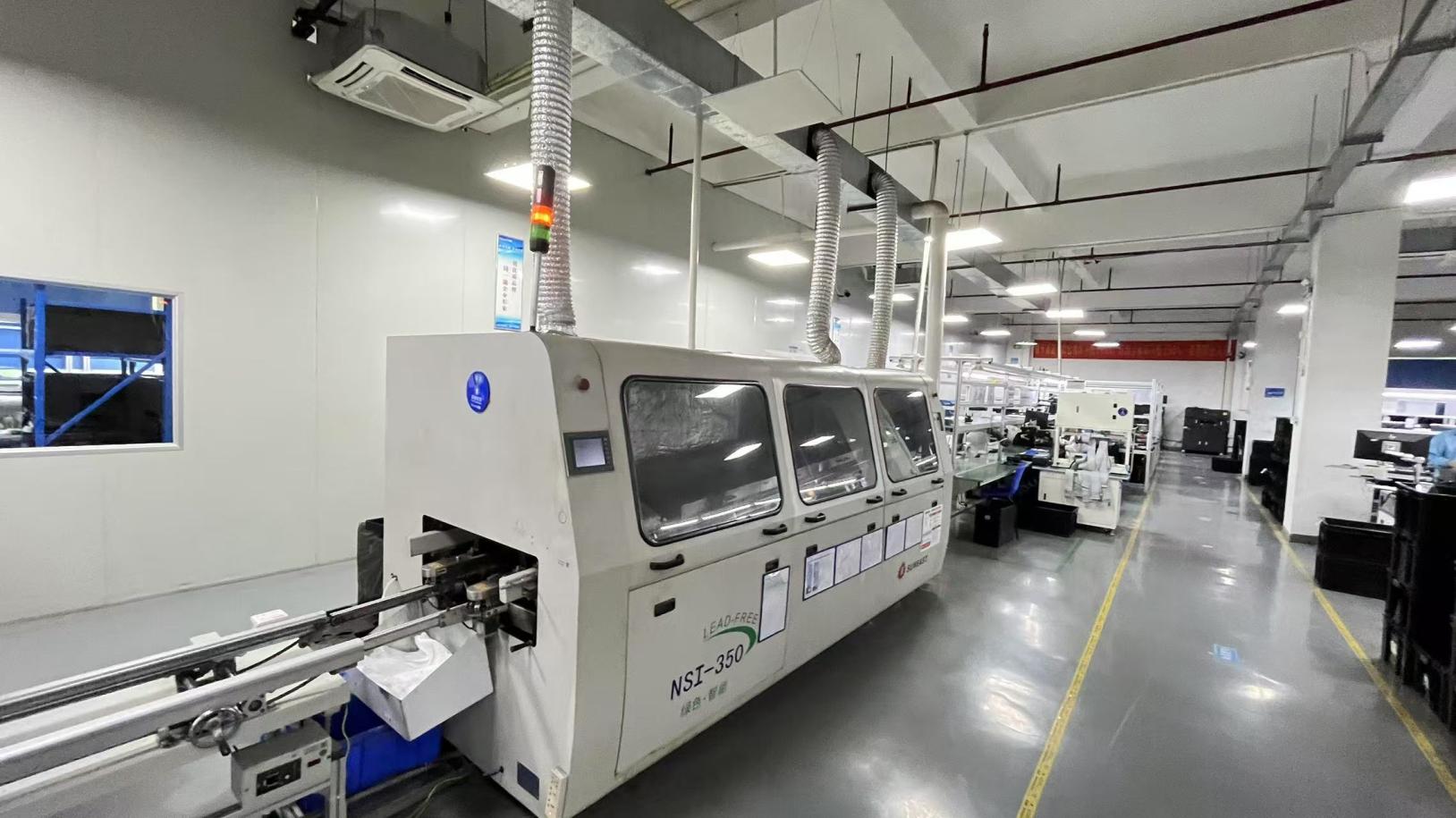
Compliance and testing protocols include: Incoming Material Inspection, In-Process Quality Monitoring, System Burn-in Testing, Performance Benchmarking, and Thermal Chamber Stress Testing. By maintaining direct relations with chipmakers and chassis manufacturers, suppliers deliver enterprise-grade performance that satisfies international quality expectations.
Global AI Server Manufacturer, High-Performance GPU Computing Infrastructure, & Custom Data Center Solutions.
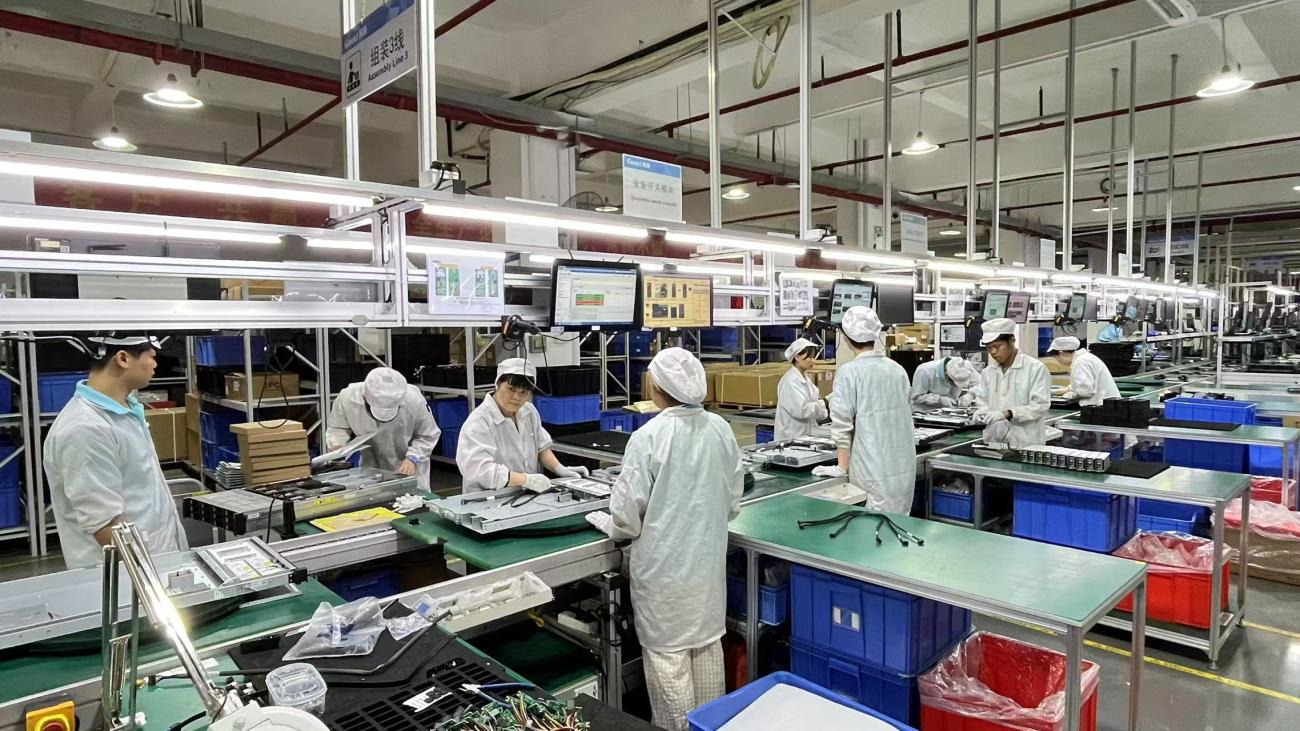
With over 8 years of industry experience and 6 years of export expertise, Neuralinko has built a strong reputation for providing scalable, energy-efficient, and enterprise-grade AI server systems. Our annual export revenue exceeds USD 18 million, serving customers across North America, Europe, Southeast Asia, the Middle East, and Australia.
Quality is at the core of our operations. We implement strict quality control procedures, including incoming material inspection, in-process quality monitoring, system burn-in testing, performance benchmarking, thermal testing, and final product verification. Our dedicated quality assurance team consists of 42 experienced inspectors, ensuring every server meets international standards before shipment. Neuralinko maintains long-term partnerships with over 1,200 supply chain partners, including leading component manufacturers and technology providers. This robust ecosystem enables us to ensure stable production capacity, competitive pricing, and fast delivery times.
Our primary customer base includes AI startups, cloud service providers, system integrators, data center operators, research institutions, government organizations, and enterprise IT solution providers. We offer comprehensive OEM and ODM services, supporting custom chassis design, GPU configuration, branding, firmware optimization, and rack-level deployment solutions. Supported by a professional R&D team of 118 engineers, Neuralinko continuously invests in next-generation AI computing technologies. Last year alone, the company successfully introduced 126 new products and system configurations to meet the evolving needs of the global AI industry.
Technical answers to common deployment, compatibility, and customization queries.
Complete your deployment with high-density server designs, scalable storage expansions, and enterprise processing power.