Neuralinko
Neuralinko
Neuralinko
Pre-configured and scalable rack deployments optimized for heavy virtualization, ERP integration, and local LLM execution.
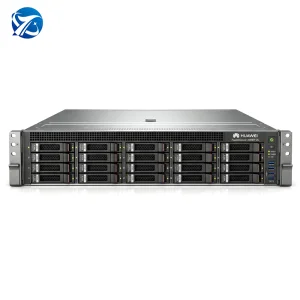
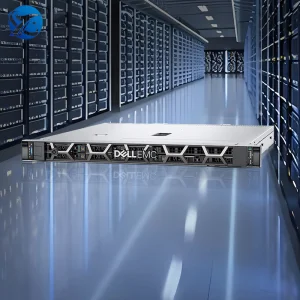
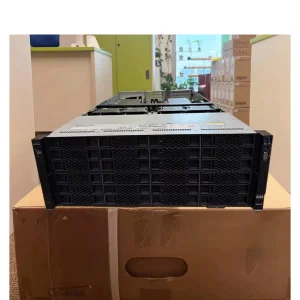
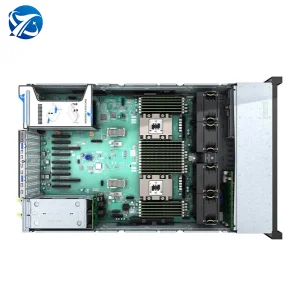
In the current era of computational hyper-scaling, global enterprises are transitioning from general-purpose virtual machines to specialized, hardware-accelerated clusters. The explosion of Large Language Models (LLMs), deep learning, and real-time enterprise resource planning (ERP) analytics requires infrastructure that is highly customized, energy-efficient, and thermally optimized.
Traditional procurement channels often fail to address the critical challenges of enterprise workloads: multi-socket communication bottlenecks, high thermal dissipation design power (TDP) constraints, and integration limitations of legacy environments. Sourcing engineers require partners who offer direct-to-factory alignment, ensuring component traceability and adherence to rigorous validation standards.
As a premier Chinese server exporter, Neuralinko Intelligent Technology Co., Ltd. bridges the gap between raw silicon capabilities and production-ready server infrastructure. By controlling the layout, firmware customization, and thermal balancing at the factory level, we address the specific bottlenecks faced by Fortune 500 enterprises, hyperscalers, and research institutions.
Established in 2018, Neuralinko has grown to become a global anchor in AI server manufacturing and high-density computer exporting.
With over 8 years of hardware specialization and a cooperative ecosystem containing more than 1,200 supply chain partners, Neuralinko secures priority access to key integrated circuits, raw PCB substrates, custom chassis brackets, and server components.
This deep industrial integration guarantees stable lead times and insulated pricing, protecting our buyers from global spot-market semiconductor volatility.
Our dedicated 42-inspector quality assurance division supervises a strict validation protocol. Each GPU and rack server unit must clear:
Aligning optimized computational architectures with industry-specific operational demands.
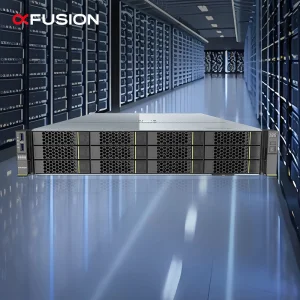
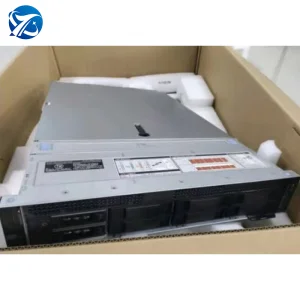
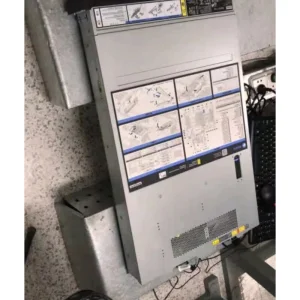
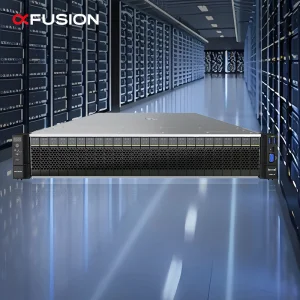
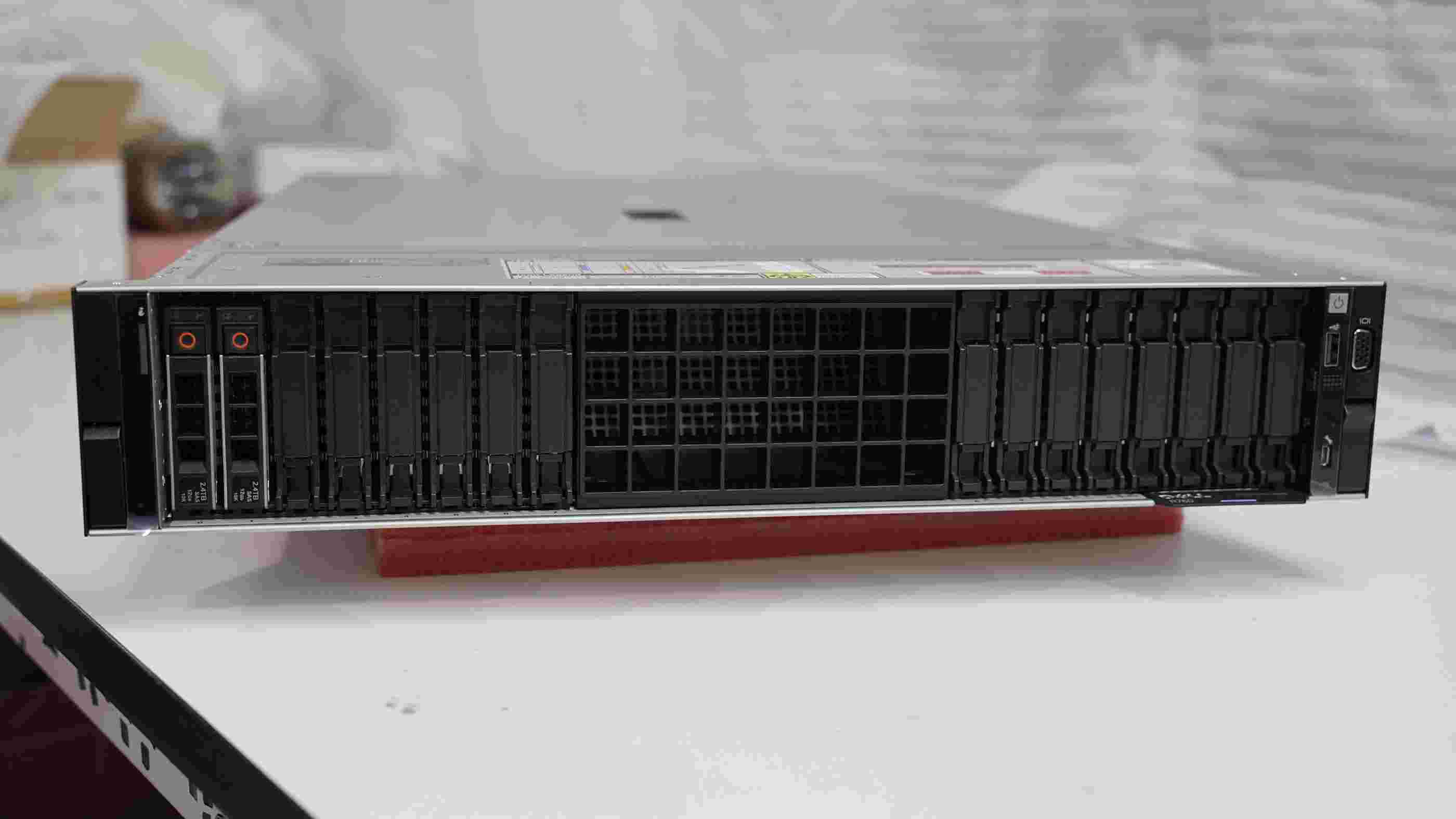
Large-scale SAP, Oracle, or customized ERP deployments demand high multi-socket memory access. Our 4-socket configurations (such as the xFusion 2488H V5 / V6 servers) allow memory pooling across 4 CPUs, resolving processing bottlenecks and latency in high-concurrency database queries.
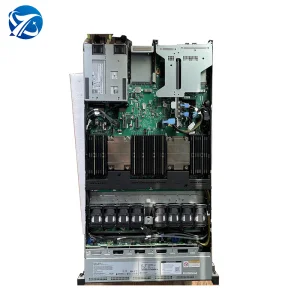
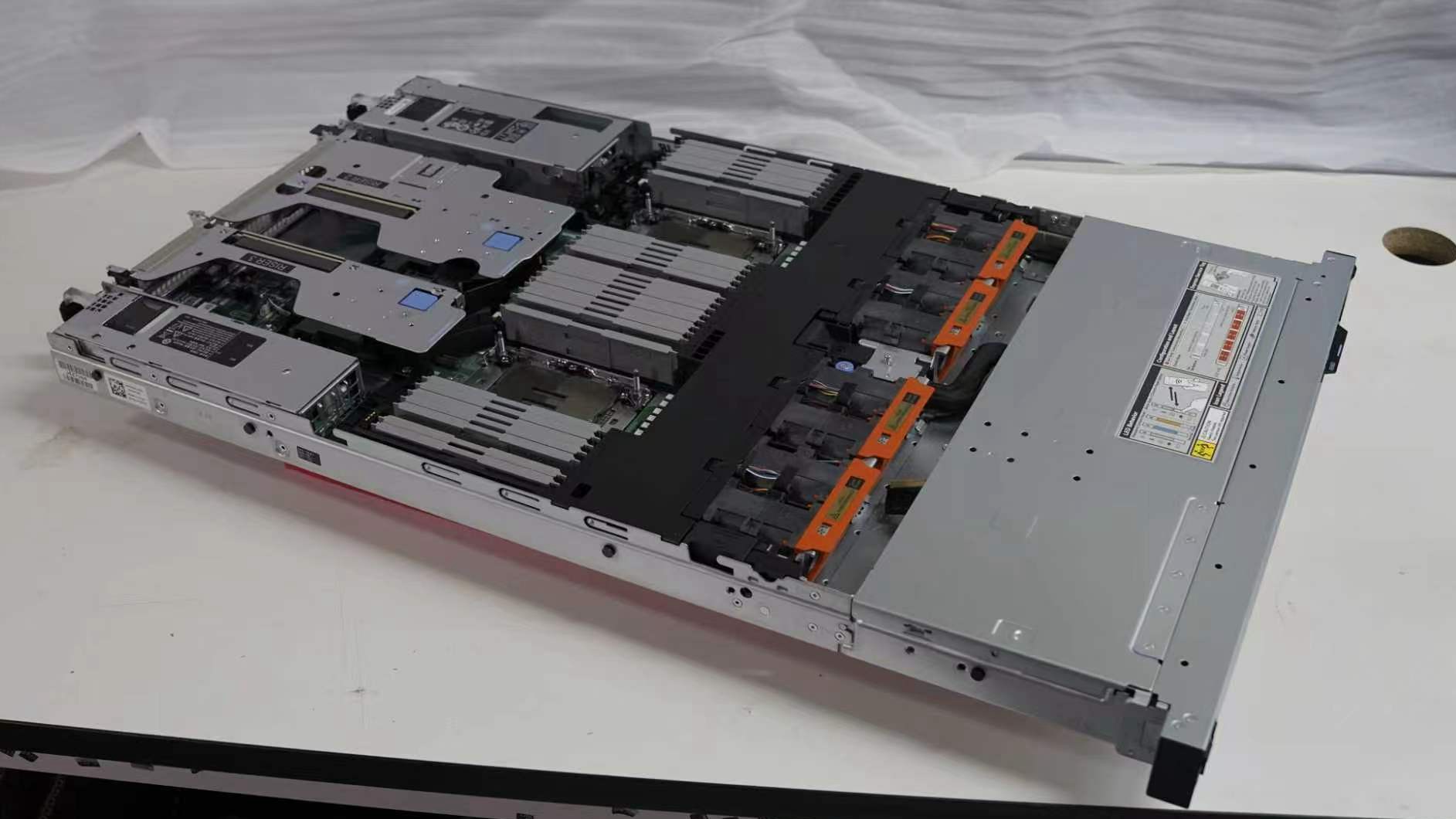
Deploying LLMs requires high memory bandwidth and massive parallel processing. The FusionServer 5288 V7 and 1288H V6 options support dense GPU arrangements, high-speed networking, and custom UEFI profiles, ensuring optimal conditions for running neural network models locally.
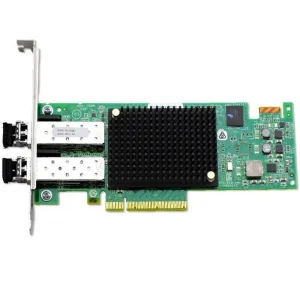
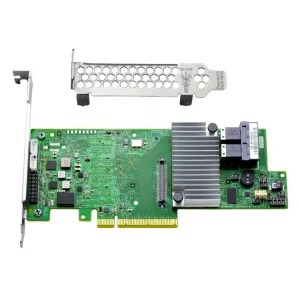
For industries demanding fast data retrieval, we integrate LSI PCIe 4.0 SAS RAID array controllers and Emulex 32Gb/s HBA cards into high-density storage platforms. This provides reliable data access for financial ledger databases, medical imaging networks, and media delivery groups.
A closer look at the components and standards driving next-generation data center efficiency.
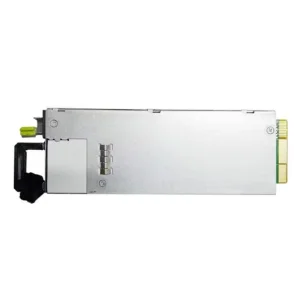
Modern dense compute structures operate at near-constant peak loads. Neuralinko's compatible power distribution units are rated for 80 Plus Platinum and Titanium efficiency. This minimizes conversion loss, reduces heat output, and provides stable power to multi-core Xeon and GPU configurations.
To eliminate system bottlenecks, we use PCIe 4.0 x8 Broadcom/LSI 9560-16i RAID controller cards with 8GB onboard cache. For external SAN environments, Emulex LPE35000 32Gb/s SFP28 host bus adapters are configured to deliver low protocol latencies.
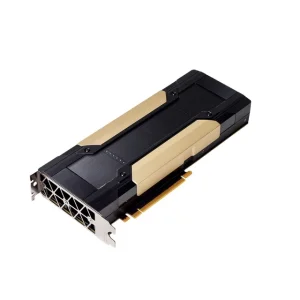
Our custom chassis configurations feature specialized layout options for high-density accelerators like the V100 PCIe (32GB VRAM) and newer platforms. Thermal profiles are designed with custom airflow shrouds to maintain stable operating temperatures during intensive training workloads.
Deploying infrastructure worldwide requires strict adherence to regional standards. Our products conform to global import and safety compliance frameworks:
Neuralinko offers structured OEM/ODM services tailored to the requirements of enterprise clients. Our typical project workflow includes:
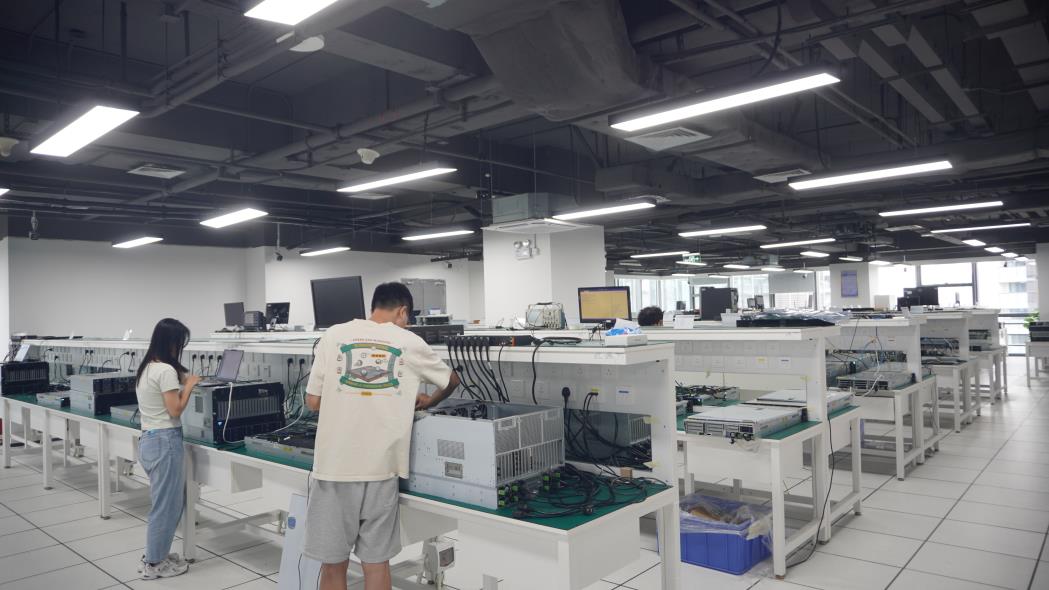
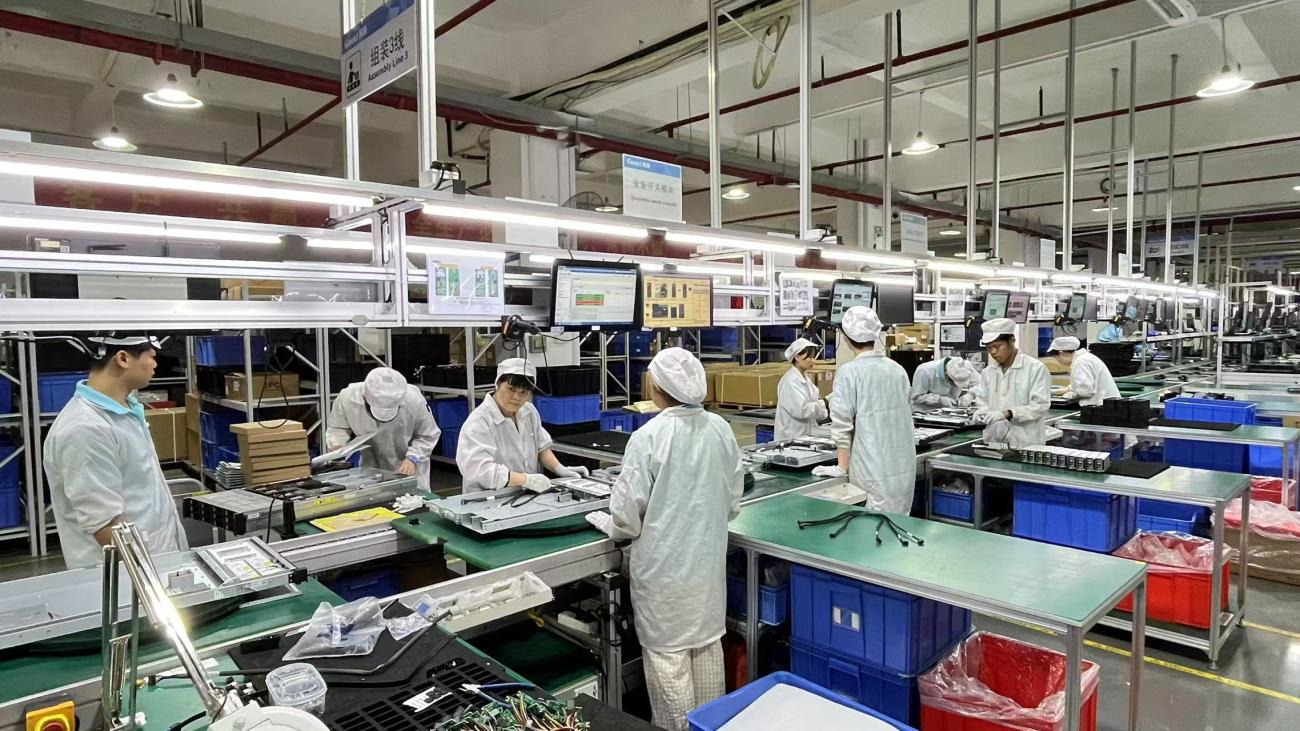
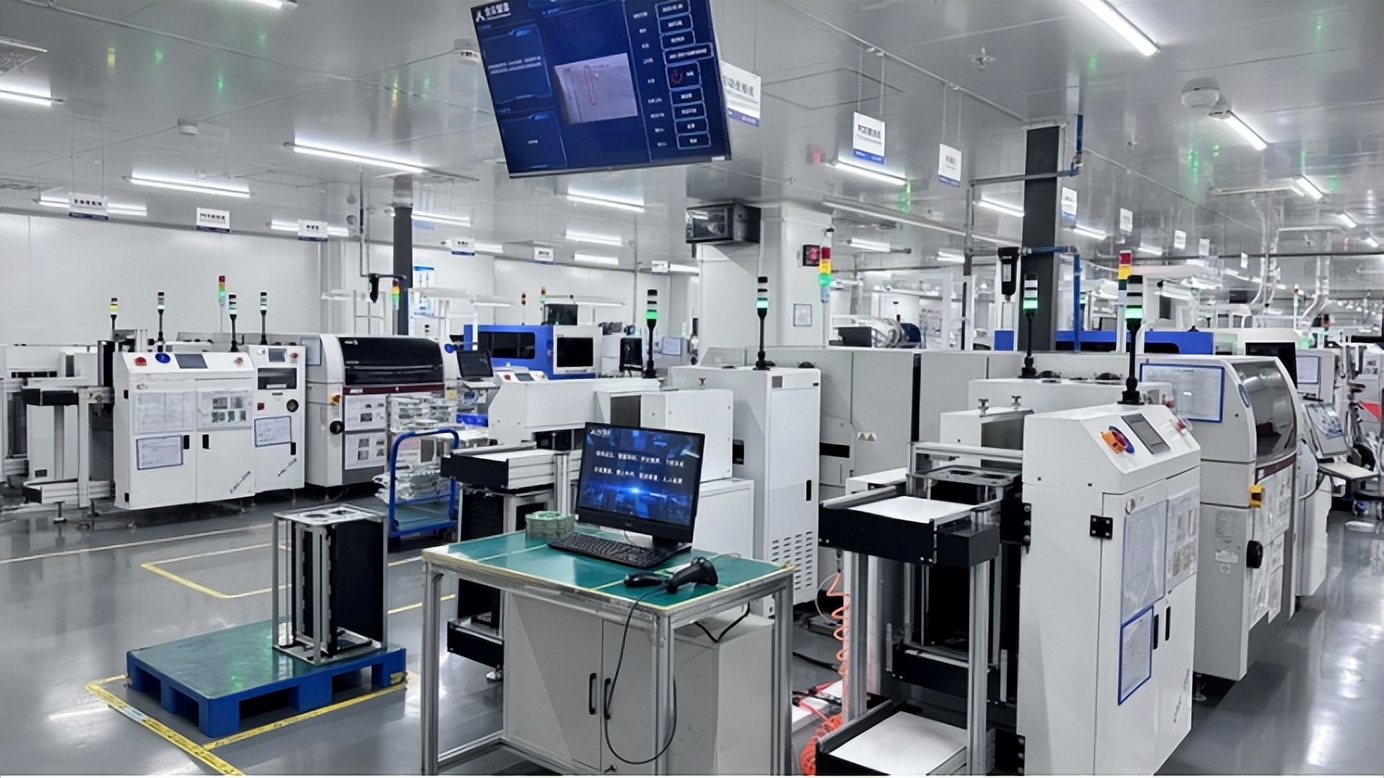
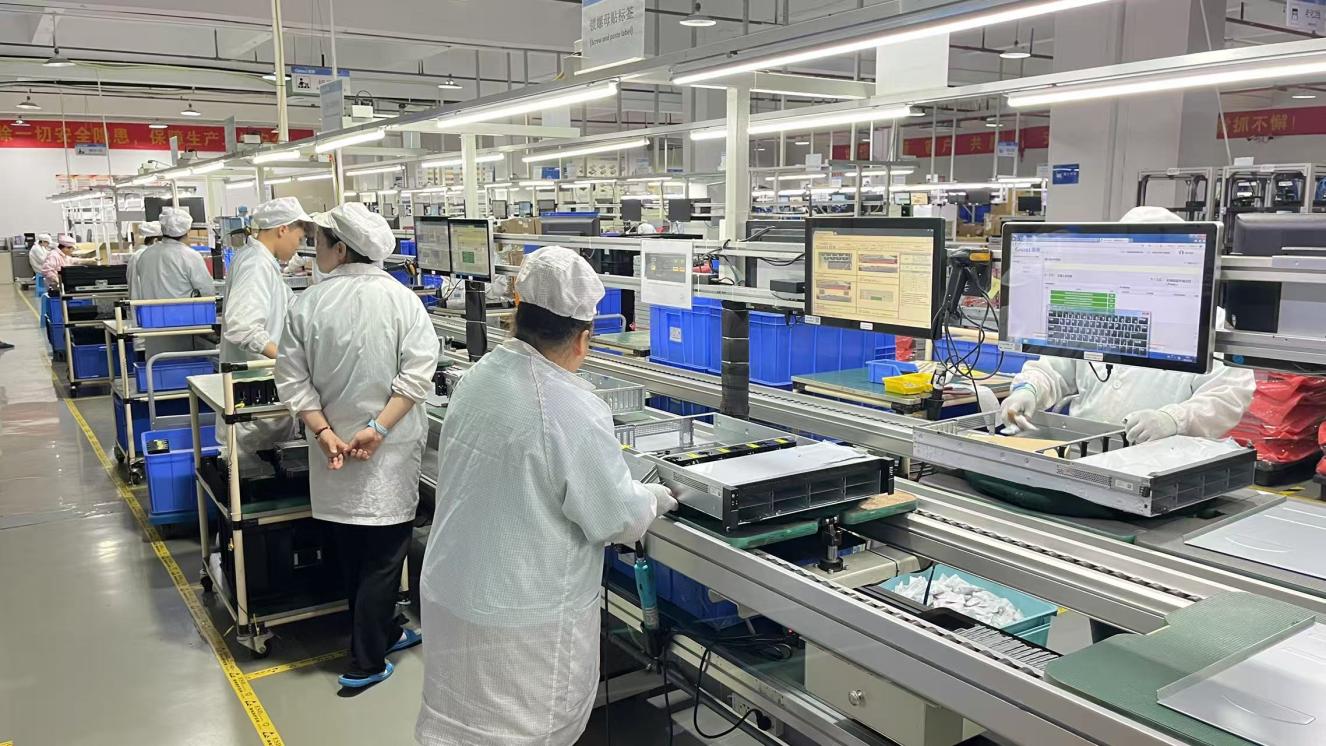
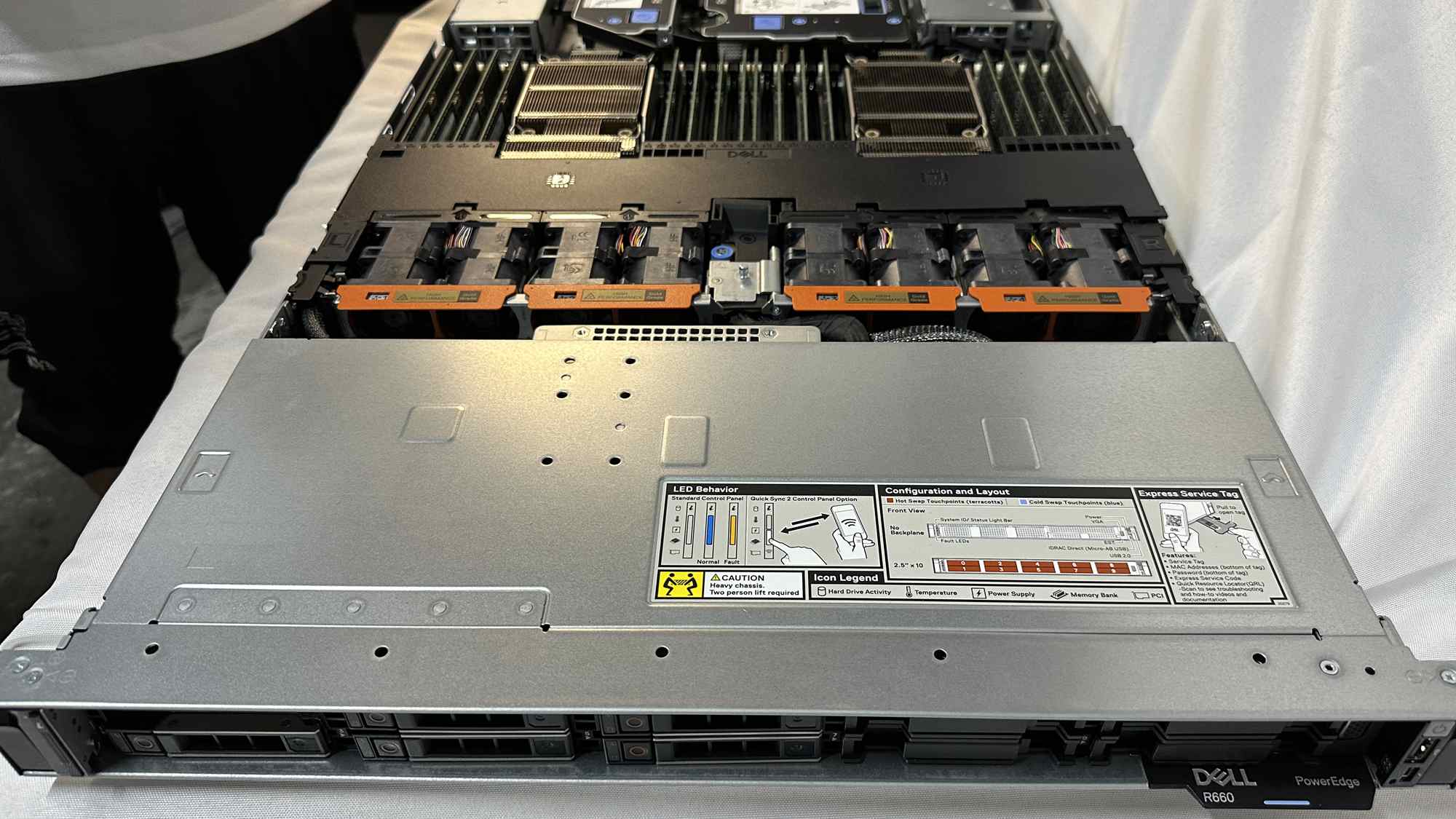
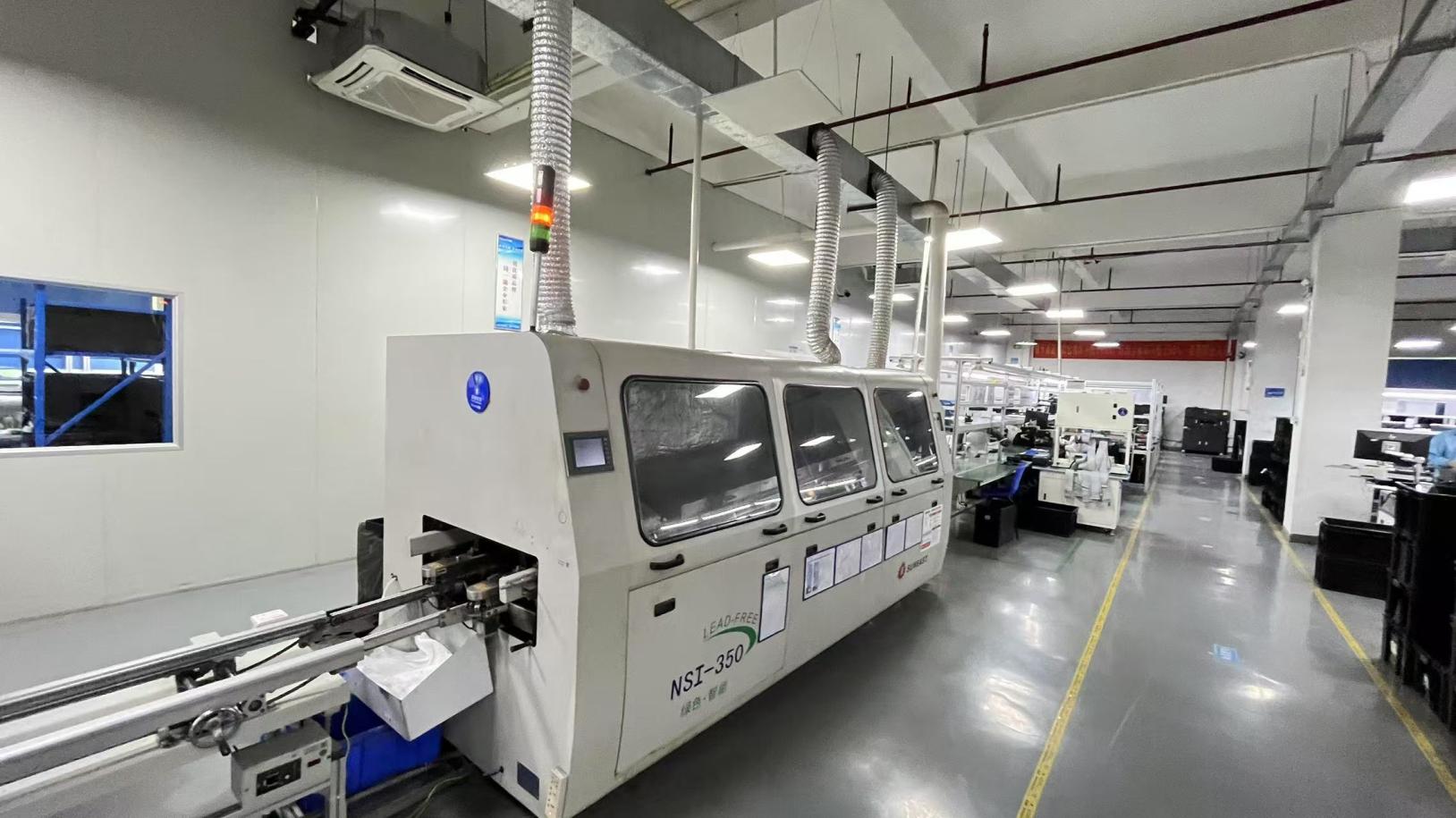
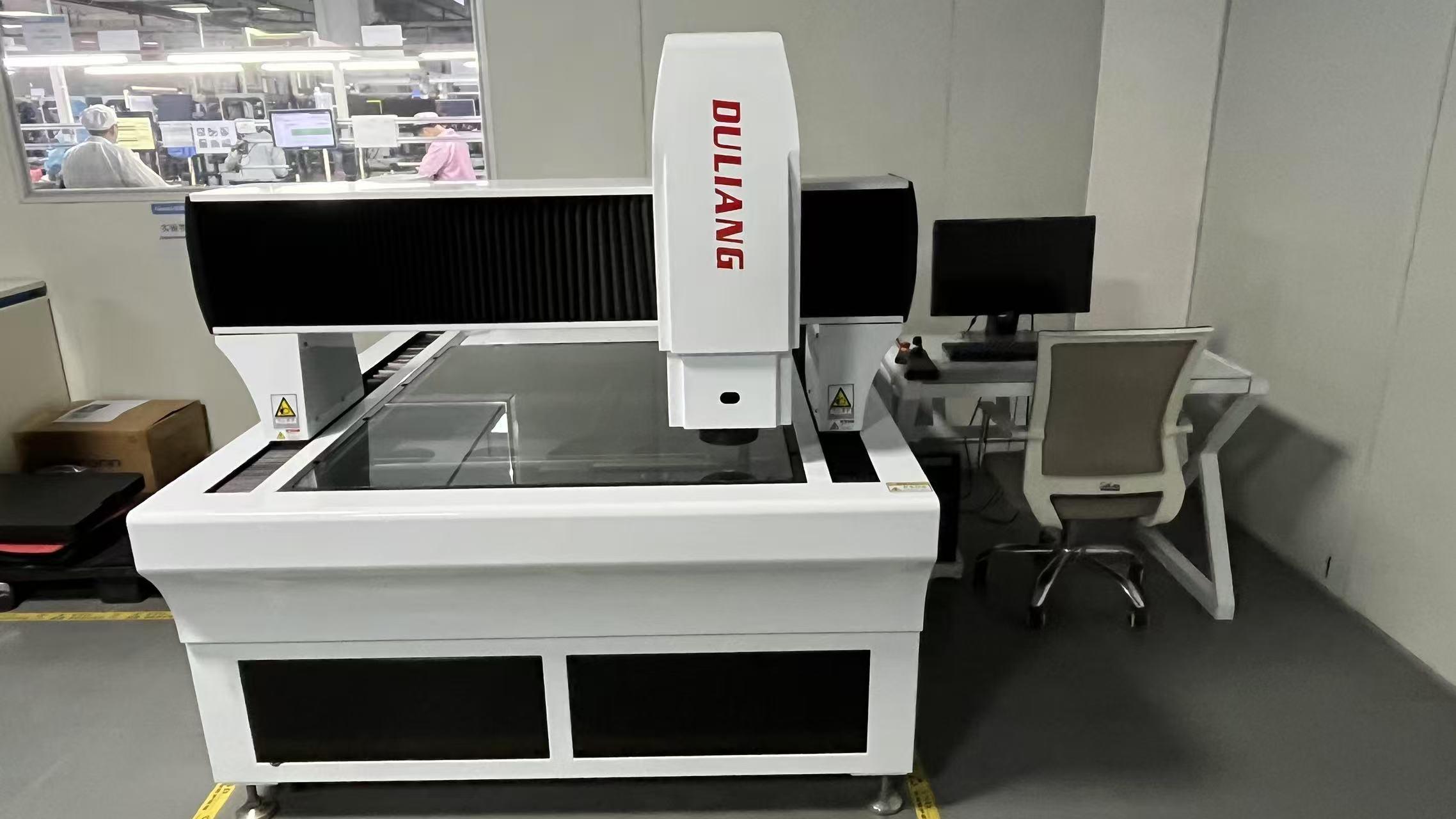
A look at our integration processes, testing environments, and production lines in Shenzhen, China.
Addressing common questions regarding hardware configurations, compatibility, and global procurement procedures.
The transition from V5 to V6 architectures introduces support for newer Intel Xeon Scalable processors, increasing core counts, and expanding memory bandwidth with DDR4/DDR5 platform shifts. In addition, V6 models feature native PCIe Gen 4.0 lanes, doubling the theoretical I/O throughput compared to PCIe Gen 3.0 on V5 systems. This makes V6 servers better suited for high-speed network interfaces and dense NVMe storage arrays.
The Emulex LPE35000 features a PCIe 4.0 host interface and is designed for low latency over 32Gb/s Fibre Channel connections. This makes it ideal for setups requiring high storage throughput, such as NVMe over Fabrics (NVMe/FC) storage area networks (SANs), database clusters, and dense virtualization hosts, where it helps prevent storage bottlenecking.
GPU configurations can experience sudden spikes in power consumption under heavy computing loads. Platinum and Titanium-efficiency power supplies (from 900W up to 2000W) handle these load steps more efficiently, minimizing conversion losses and heat generation. This ensures stable power delivery to components and reduces cooling demands within the server rack.
Any refurbished or open-box hardware undergoes a comprehensive inspection and testing process. This includes socket pin inspections, checking memory lanes, cleaning components, updating BIOS/BMC firmware to secure versions, and running a minimum 72-hour thermal stress test to ensure stable operation under load.
The LSI 9560-16i features 8GB of DDR4 cache memory and supports hardware RAID configurations (RAID 0, 1, 5, 6, 10, 50, 60). It supports PCIe Gen 4.0 host connectivity and SAS/SATA drives. The card also features CacheVault protection options to safeguard cached data in the event of sudden power loss, preventing write-hole issues.
Enterprise component sourcing to scale your data center capacity and performance.