Neuralinko
Neuralinko
Neuralinko
Premium processing components and computing bare metals configured to host scalable analytics clusters, deep learning matrices, and high-performance databases.
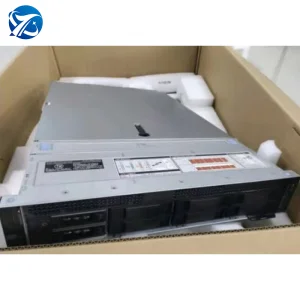
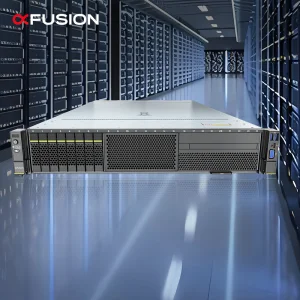
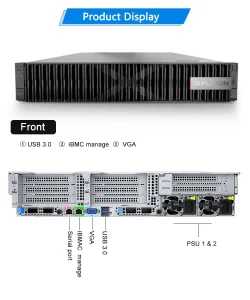
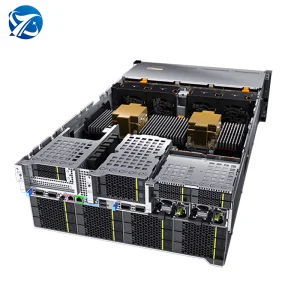
The modern data landscape has undergone a tectonic shift. Traditional business intelligence tools, which once ran comfortably on standard CPU-based server arrays, have been replaced by real-time analytics engines, predictive modeling, and deep learning algorithms. Modern enterprise analytics software stacks—ranging from apache Spark clusters to complex neural network engines like DeepSeek—require intense mathematical computations running in parallel. Without heavy-duty hardware infrastructure, these software platforms face latency bottlenecks, throughput throttles, and catastrophic performance drops.
As a leading hardware backbone developer, Neuralinko Intelligent Technology Co., Ltd. designs, engineers, and exports specialized computing hardware platforms that serve as the physical implementation layer for advanced global analytics and database engines. Founded in 2018, Neuralinko operates at the intersection of complex high-level analytics and raw physical computing power, engineering configurations tailored to support large-scale LLMs, neural networks, and massive databases.
"Software intelligence is only as fast as the physical silicon it runs on. Enterprise-level analytics software platforms need a robust, custom-optimized GPU architecture to unlock real-time insight generation at a global scale."
Global procurement teams often treat software and hardware as separate entities, which leads to inefficiencies in processing big data. When analytics software is paired with generic computing nodes, memory bandwidth constraints (especially under PCIe 3.0/4.0 limits) can throttle data ingest rates. For real-time business intelligence, predictive threat modeling in finance, and industrial IoT monitoring, minimizing system latency is crucial.
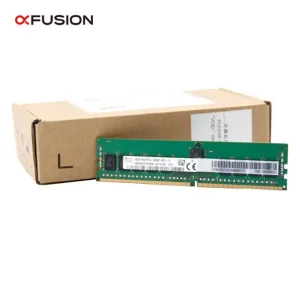
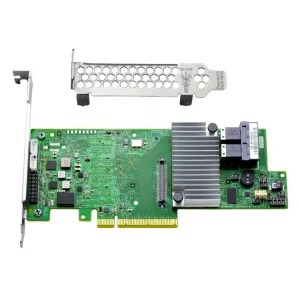
Neuralinko addresses this challenge by engineering hardware clusters with ultra-low latency configurations, high-density DDR5 RDIMM ECC memory structures, and next-generation RAID controller cards like the PCIe 4.0 9560-16i. This optimization ensures that database reads and writes match the execution speeds of the processing GPUs, bridging the gap between high-level analytical software and the underlying physical silicon.
How leading enterprises align software demands with physical GPU and Server hardware structures.
| Analytical Workload Type | Primary Software Examples | Hardware Architecture Demands | Recommended Neuralinko Server Platform |
|---|---|---|---|
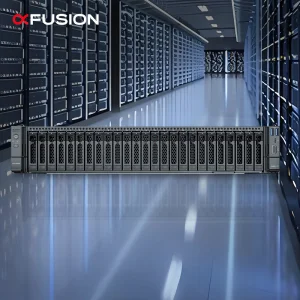
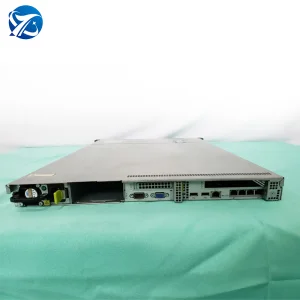
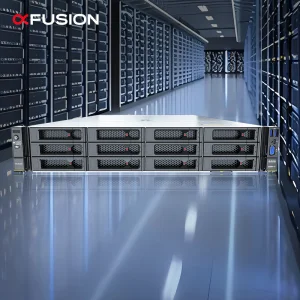
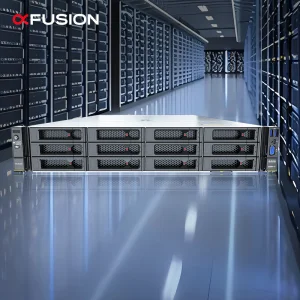
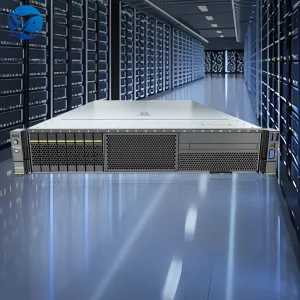
| Real-Time Data Warehousing | ClickHouse, Snowflake Edge, Databricks | High I/O throughput, NVMe SSD arrays, multi-socket Intel Xeon CPUs | Neuralinko 2U 2-socket FusionServer 2288H V6 / V7 |
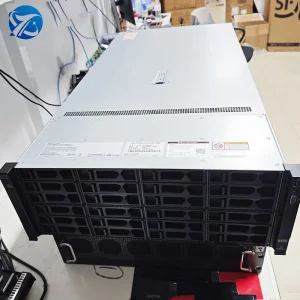
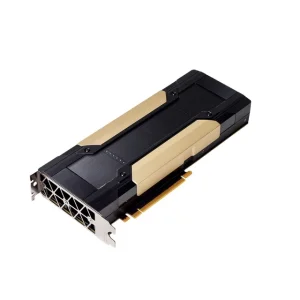
| LLM Training & Inference | DeepSeek-R1, LLaMA-3, PyTorch Pipeline | Multi-GPU arrays (V100/H100/H20 PCIe), high-wattage redundant PSUs, 8U systems | Neuralinko G8600 V7 8U GPU Rack Deepseek Server |
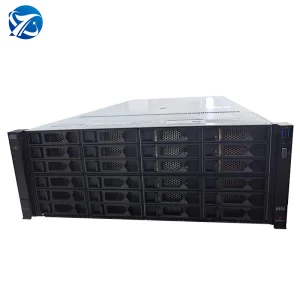
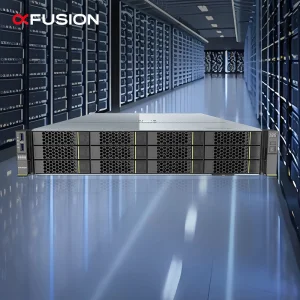
| Hyperconverged Infrastructure | VMware vSAN, Nutanix, OpenStack | DDR5 RDIMM ECC Memory, high storage density, dual-port 10GE/25GE network links | 2288H V7 Hyperconverged 12*3.5 Inch Drive Cluster |
| Edge AI Analytics | TensorRT, OpenCV, Local Inference Nodes | Short-depth chassis, low power consumption, standard PCIe expansion cards | FusionServer G5200 V7 AI Data Server (Short Depth) |
Equipped with 42 quality assurance inspectors, our validation testing guarantees that each compute node exhibits zero-error memory operations and thermal stabilization under a 100% operational load benchmark.
From custom BIOS logo configurations to specialized PCIe riser layouts and power specifications, we provide custom rack-level server setups that match specific local datacenter limitations.
Integrating DDR5 RDIMM 6400MHz ECC memory arrays alongside PCIe Gen 4/5 architectures enables data analytics pipelines to run at maximum performance, eliminating processing delays.
Navigating the global technology supply chain requires agility, redundancy, and strong partnerships. Neuralinko's presence in China's technology manufacturing corridor enables us to leverage a massive, localized component ecosystem. Our supply network includes over 1,200 partners, ensuring access to everything from high-grade raw capacitors and multi-layer PCBs to high-performance microprocessors and advanced liquid-cooling modules.
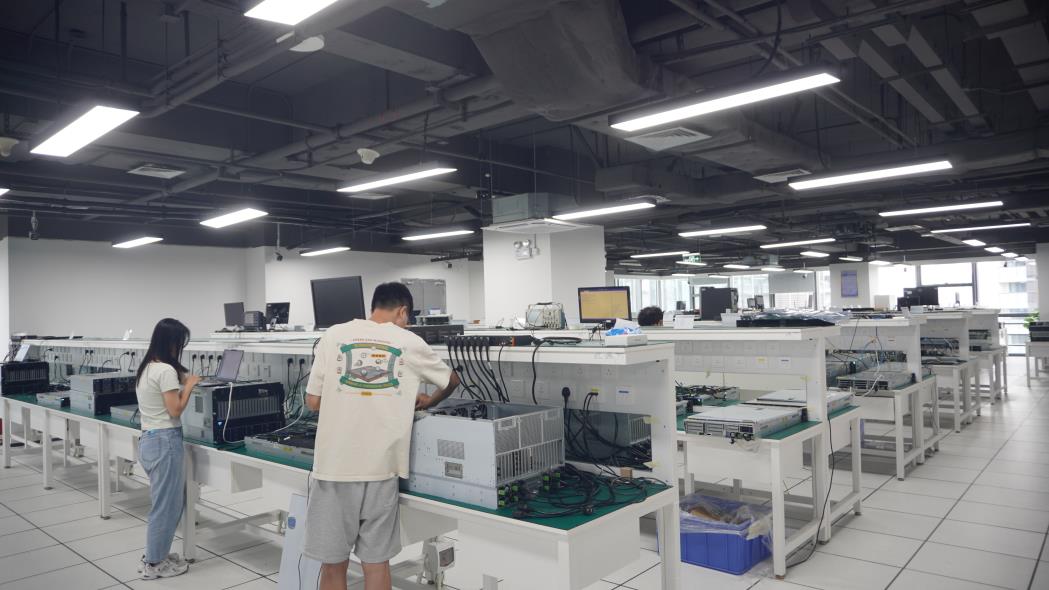
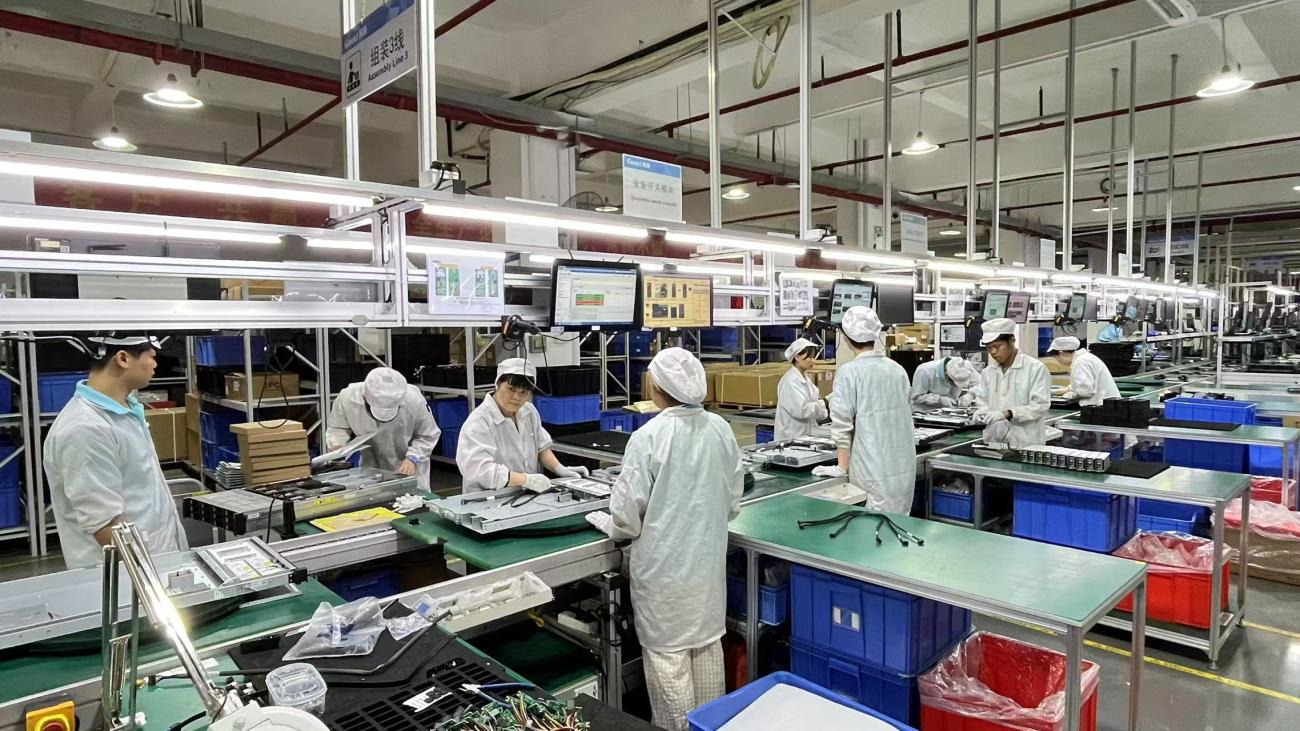
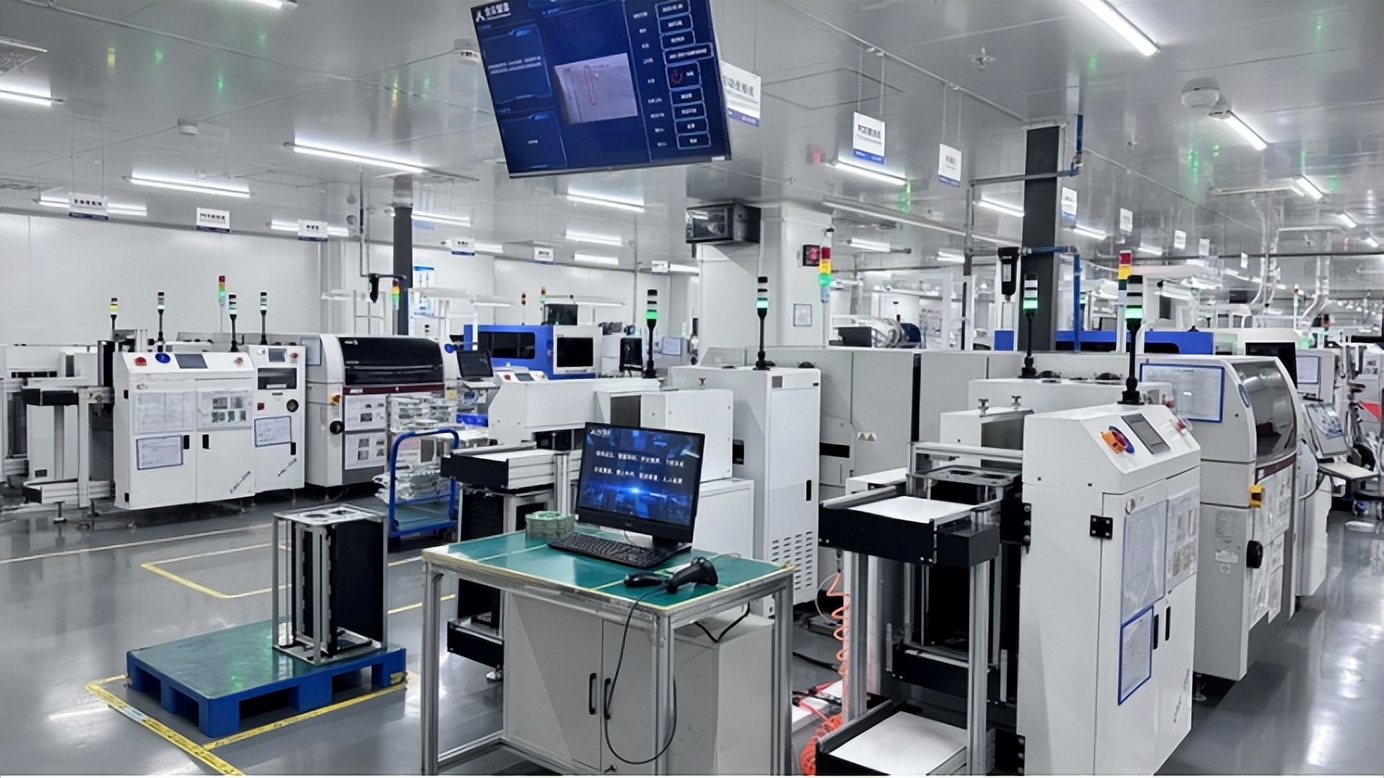
Operating out of a modern 386㎡ production and engineering facility, Neuralinko streamlines prototype testing and scale assembly. When an enterprise customer orders a customized server configuration, our engineering team can adapt the design, configure the components, test the units under load, and initiate bulk shipment weeks faster than companies bound to fragmented supply lines. This speed and efficiency give our clients a competitive edge in deploying their analytics infrastructure.
In addition, this integration allows for significant cost optimization. By reducing assembly friction and sourcing components directly from tier-1 suppliers, Neuralinko delivers enterprise-grade computing power at competitive price points. This cost efficiency enables global enterprises to scale their big data analytics platforms and GPU training clusters without exceeding their budgets.
High-intensity analytics software tasks generate significant heat in GPU server racks. Liquid cooling, high-RPM smart fan arrays, and optimized chassis design are critical for system reliability. Our team of 42 experienced quality control inspectors enforces strict quality management protocols:
Real-world deployment scenarios demonstrating how Neuralinko hardware accelerates enterprise software performance across different industries.
In quantitative finance, latency is measured in microseconds. A major investment banking firm in Europe deployed Neuralinko 2U 2-socket systems configured with Intel Xeon processors and high-speed RAID array controllers (9560-16i cards with 8GB cache). This hardware setup allowed their proprietary risk analytics software to process real-time transaction streams, lowering query latency by 32% and improving model reliability during market volatility.
A medical imaging research center in North America required a high-density GPU cluster to run machine learning algorithms on high-resolution MRI scans. By sourcing Neuralinko G8600 V7 8U GPU racks equipped with redundant 1500W power supplies and high-speed PCIe expansion options, the center reduced image analysis times from several hours to minutes, accelerating diagnostic workflows.
A municipal management project in Southeast Asia deployed our short-depth G5200 V7 AI Data Servers at Edge locations across the city. These servers processed real-time video analytics to optimize traffic flow and coordinate emergency response times, demonstrating how localized processing power can support smart city infrastructure.
Detailed technical answers to help system architects, procurement leads, and IT directors make informed decisions.
Neuralinko hardware is engineered with PCIe Gen 4/5 buses, high-density DDR5 ECC RDIMMs, and optimized GPU spacing. This architecture provides the memory bandwidth and inter-GPU communication speeds required to handle the large parameter sets of models like DeepSeek, preventing processing bottlenecks.
We offer full-service hardware customization, including custom chassis design, specific PCIe riser card layouts, specialized power supply units (1500W/2000W redundant), custom server BIOS branding, and pre-installed RAID array configurations, allowing systems to integrate directly into existing workflows.
We run a comprehensive multi-stage testing process. Each server undergoes component verification, thermal chamber testing, and a 48 to 72-hour burn-in period under full load. This quality control protocol is supervised by our team of 42 QC inspectors to ensure reliability.
Yes, our hardware platforms, such as the 2288H V7, are certified for key HCI platforms like VMware vSAN and Nutanix. These systems feature high-density drive configurations, dual-socket processor layouts, and high-performance network interfaces to handle demanding storage workloads.
Our network of over 1,200 supply chain partners allows us to source high-grade components directly, bypassing intermediaries. This integration helps us maintain competitive pricing and secure components quickly, even during global supply shortages.
We offer both air-cooling and liquid-cooling solutions. Our standard systems feature intelligent high-RPM fan arrays that adjust speed based on real-time sensor data, while our high-density GPU nodes support liquid-to-air cooling manifolds to maintain optimal operating temperatures.
A look inside our 386㎡ production laboratory and R&D facility, where our engineers build and test next-generation computing systems.
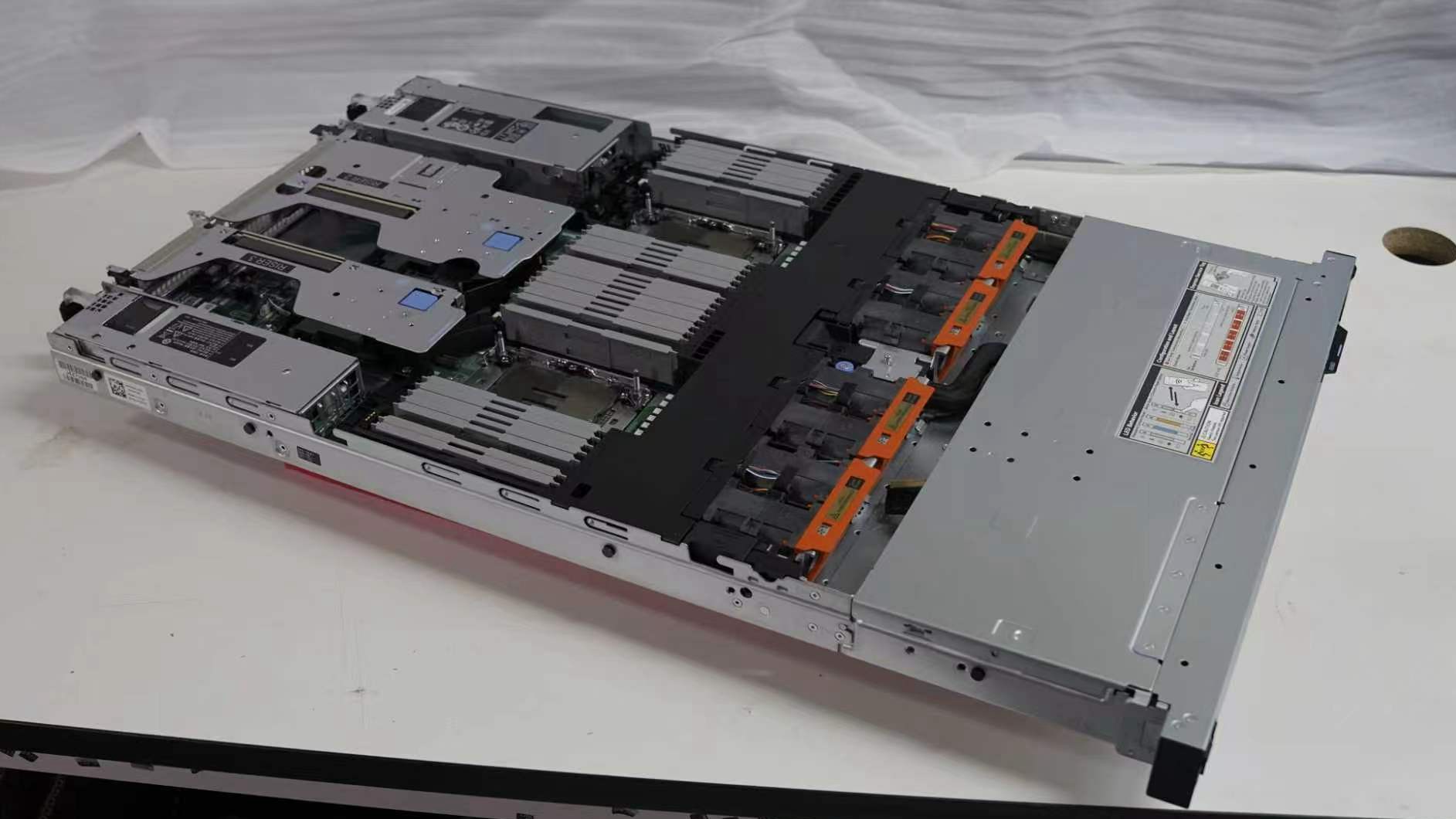
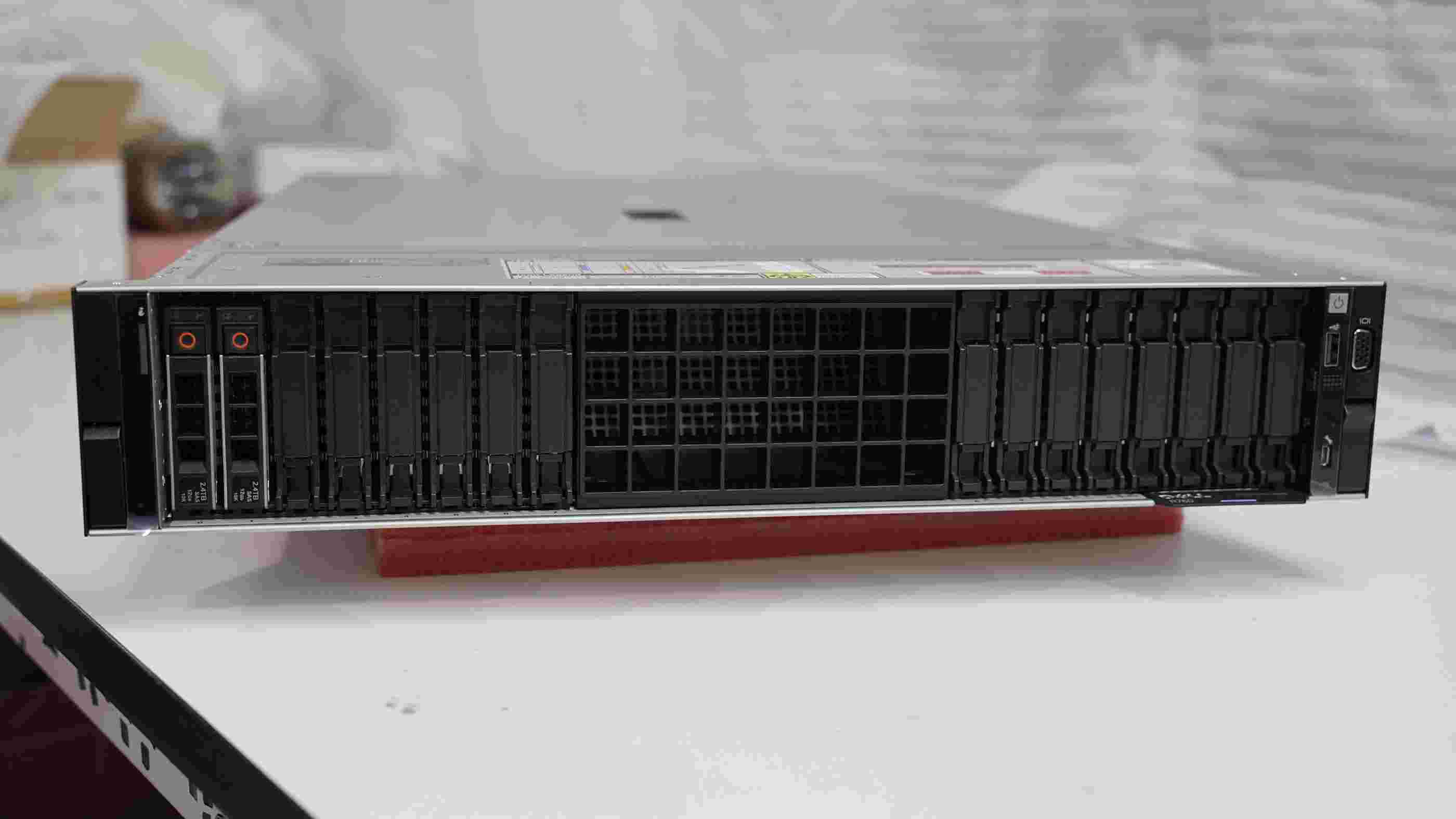

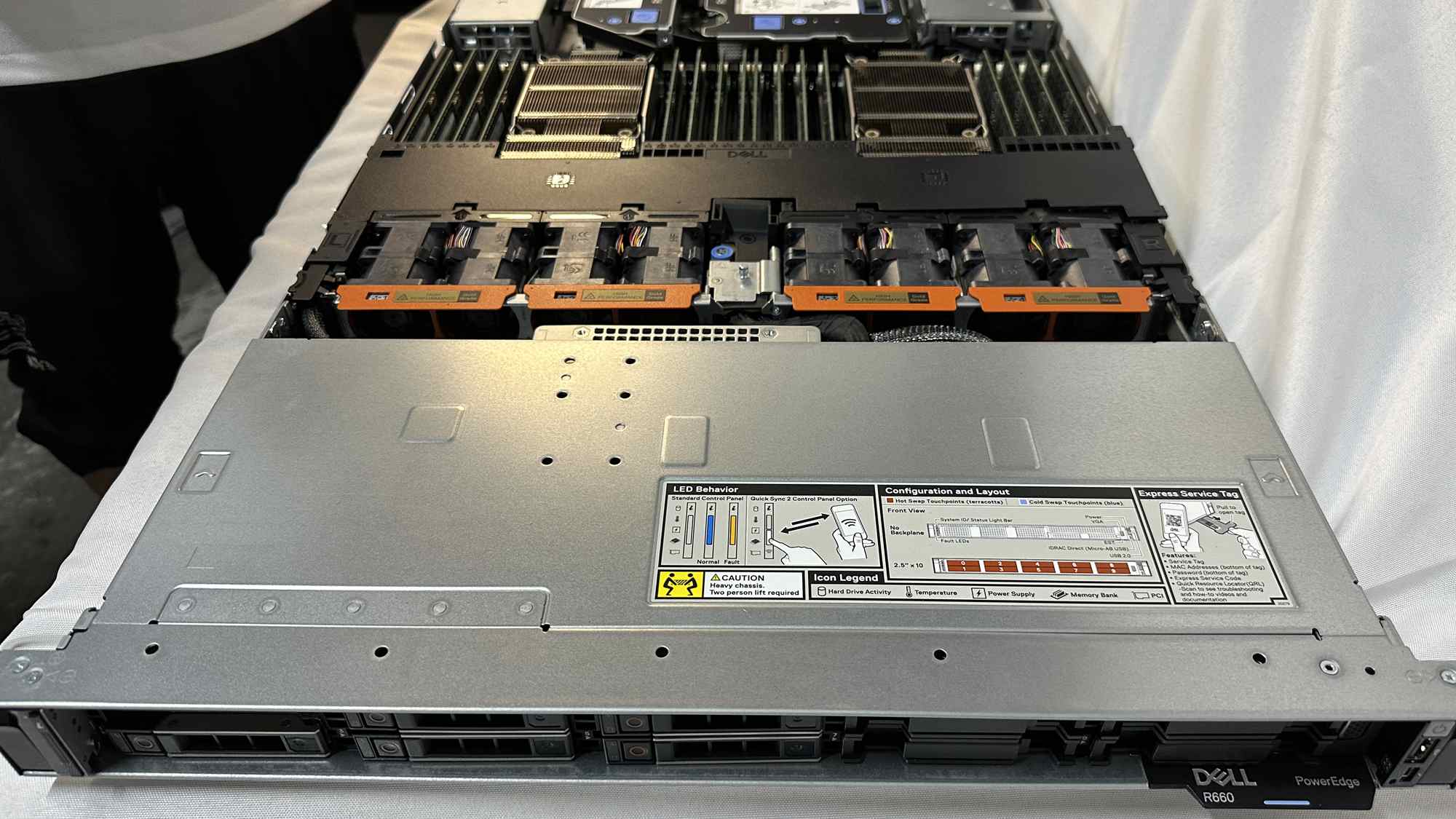


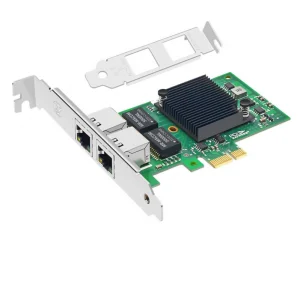
Explore our high-performance memory modules, raid storage interface cards, and high-density multi-socket servers to scale your enterprise database infrastructure.