 Neuralinko
Neuralinko
Neuralinko
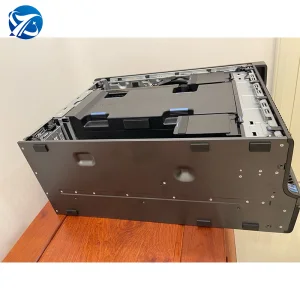
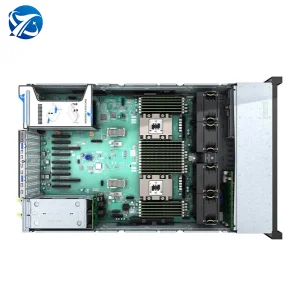
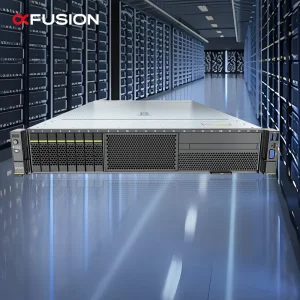
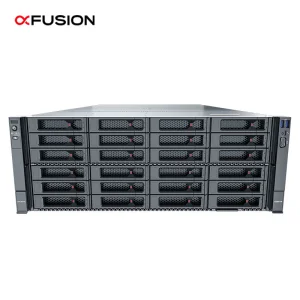
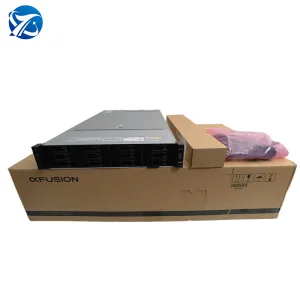
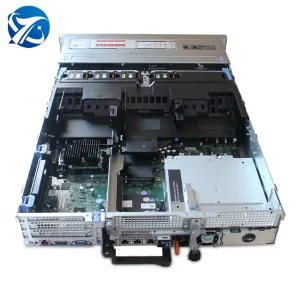
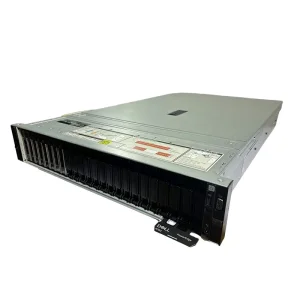
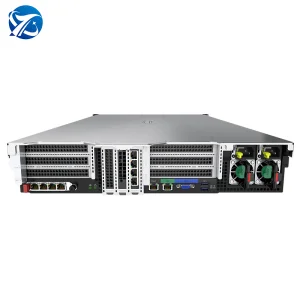
High-capacity rackmount nodes, multi-socket enterprise compute servers, and specialized GPU integration architectures optimized for massive data models.
A deep dive into high-performance compute architectures, localized supply networks, and the strategic positioning of Chinese hardware exporters.
The global demand for high-performance computing (HPC) has shifted focus toward specialized server hardware. Generative AI models, large language models (LLMs) such as DeepSeek, and complex data center environments require robust computing power. As global enterprises look for cost-effective, scalable, and highly reliable AI server systems, domestic graphics card integration and custom chassis fabrication in China have emerged as key resources. Modern GPU and AI compute facilities now offer comprehensive system optimization and manufacturing rather than just basic component assembly.
This report covers the key operational aspects of top exporters, specifically highlighting Neuralinko Intelligent Technology Co., Ltd. It details the supply chain networks, quality assurance standards, and technological trends that shape global computing hardware procurement.
"Strategic partnerships with over 1,200 supply chain partners ensure that production facilities can scale to meet international demands for high-throughput memory channels, redundant energy systems, and multi-socket server platforms."
Export hubs in Shenzhen and neighboring industrial zones benefit from close proximity to local raw material markets and integrated component supply chains. Key manufacturing advantages include:
Modern IT infrastructure demands custom configurations. Leading exporters provide full-scale system integrations rather than standalone components. This shift supports diverse applications:
A look at the production footprint, R&D investments, and quality control systems driving international AI hardware supply chains.
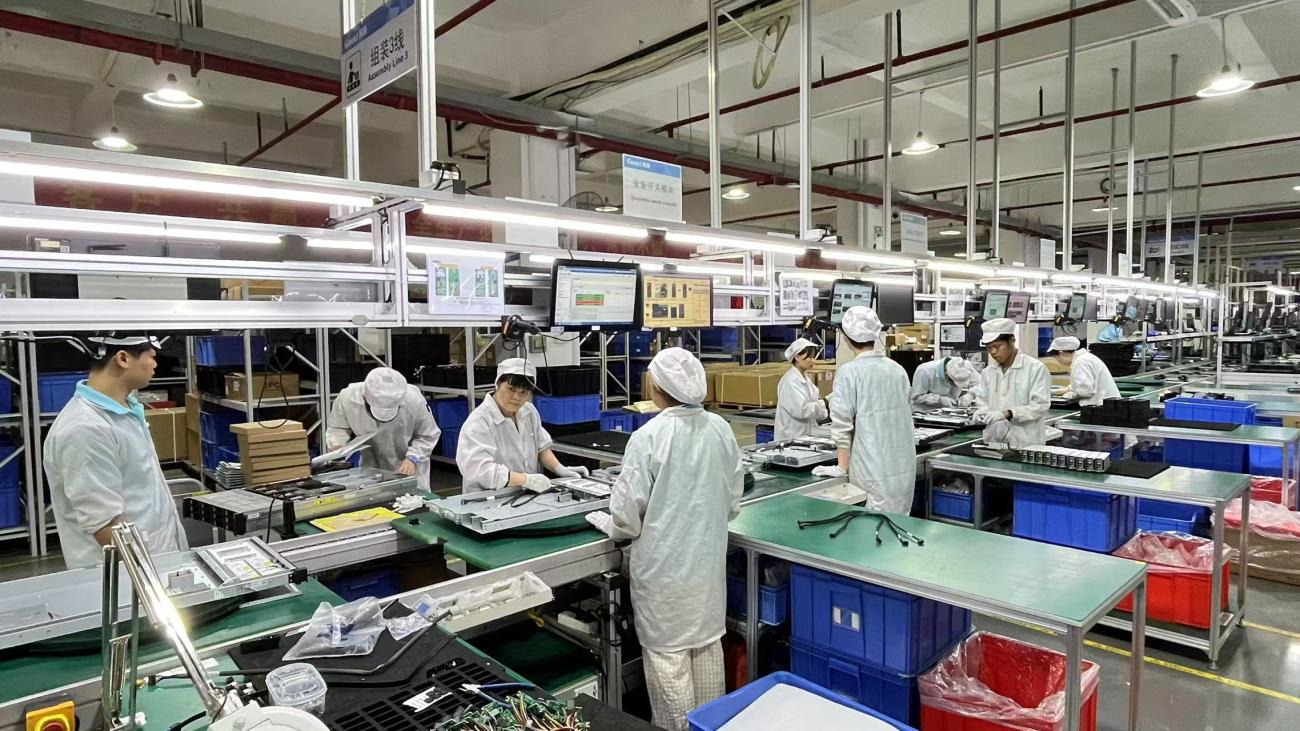
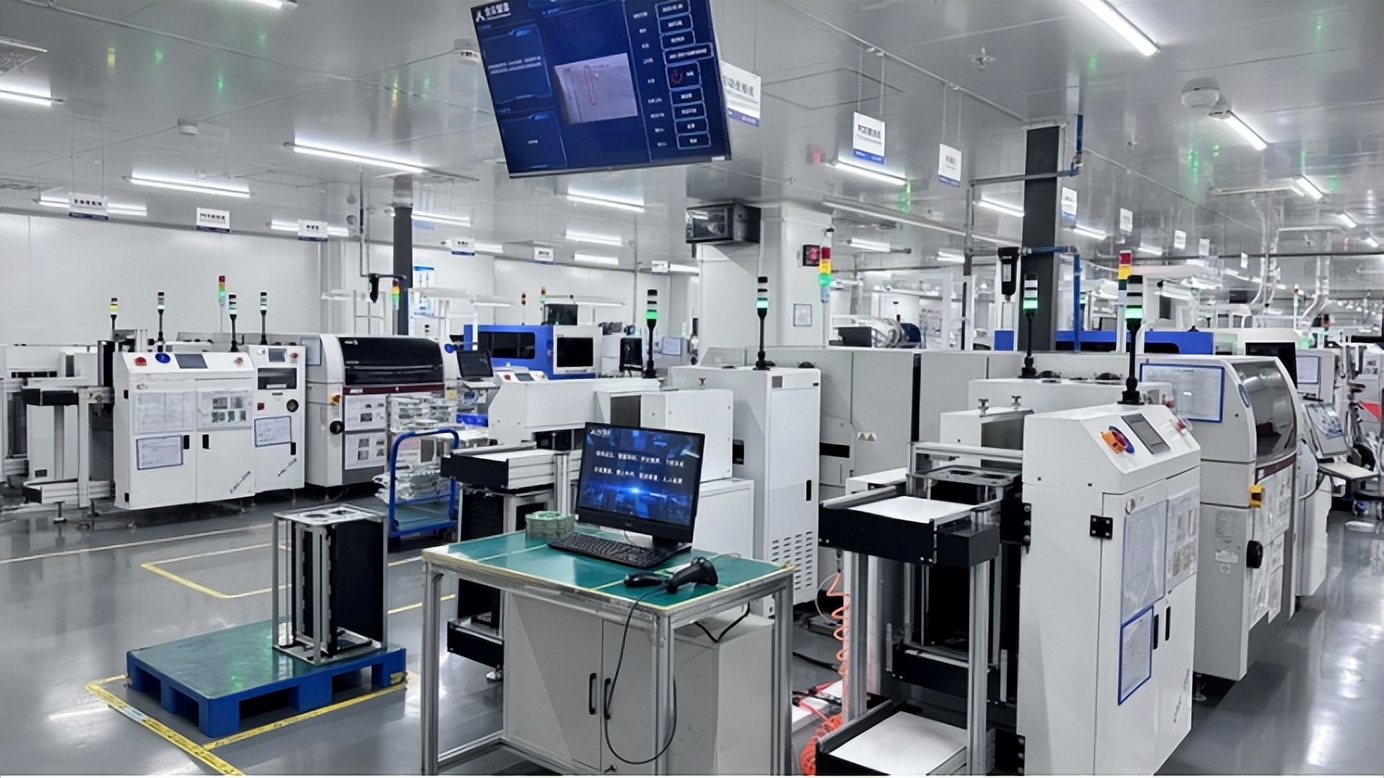
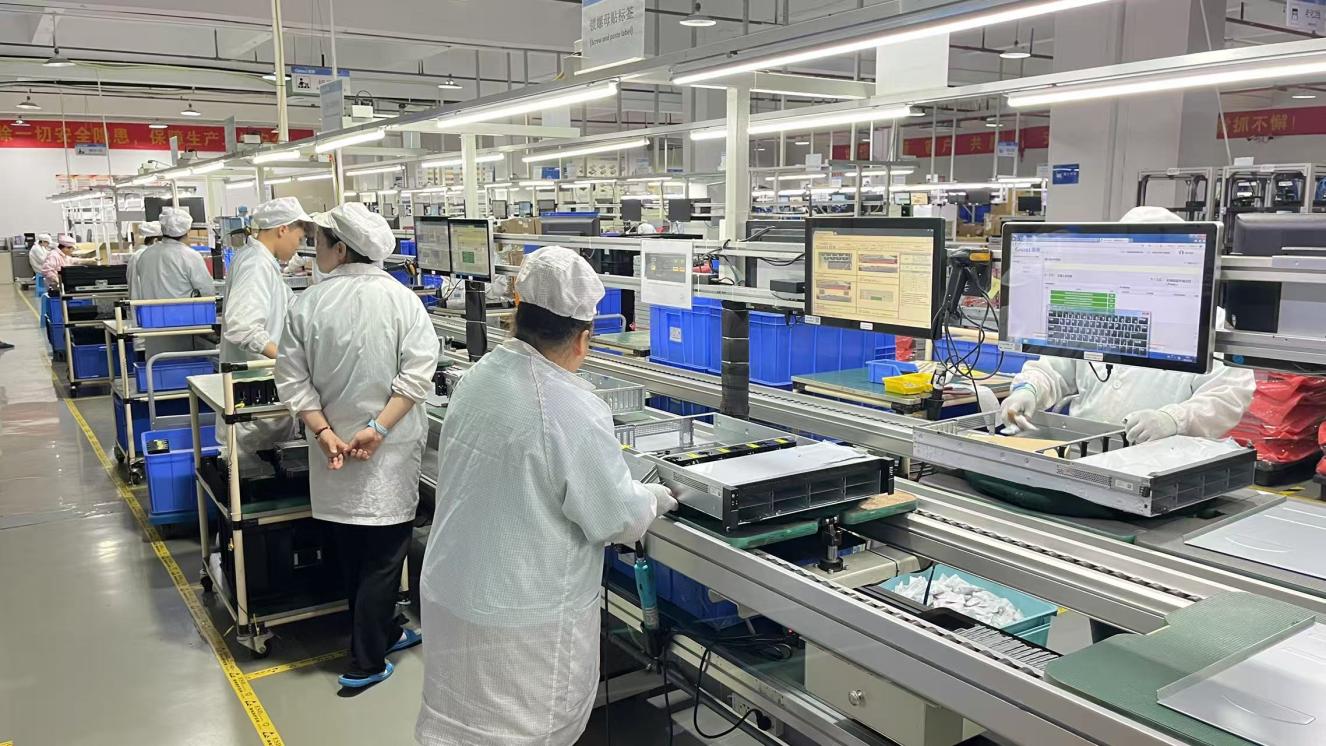
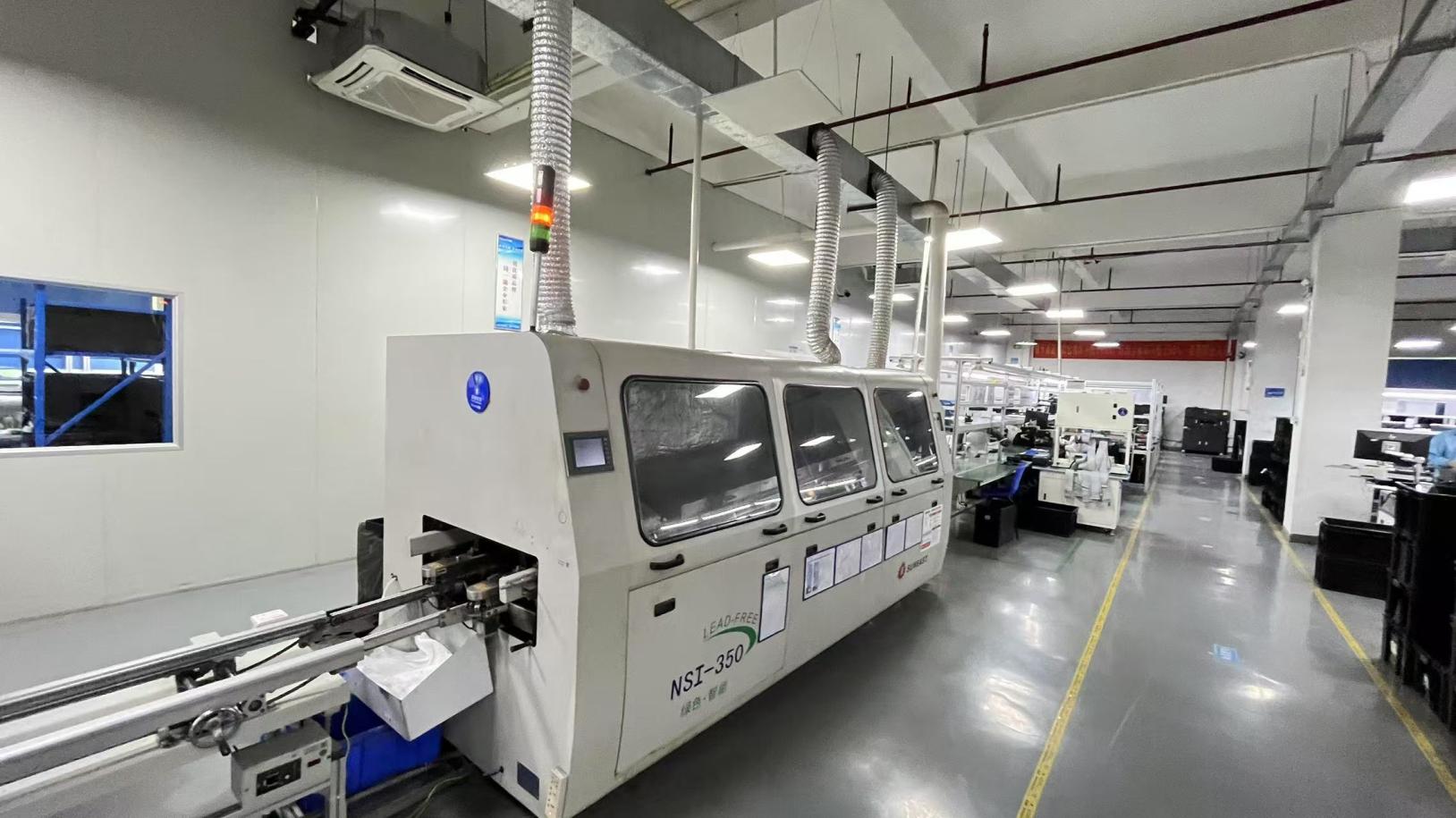
Established in 2018, Neuralinko Intelligent Technology Co., Ltd. has developed into a specialized AI server manufacturer focusing on high-performance GPU systems, AI computing infrastructure, and tailored data center hardware solutions. Operating from a modern 386㎡ production and engineering facility, the company develops reliable hardware setups optimized for machine learning, deep learning, large language models (LLMs), cloud computing, and high-performance computing (HPC) applications.
With over 8 years of industry experience and 6 years of export expertise, Neuralinko has established a reputation for building scalable, energy-efficient, and enterprise-grade systems. The company's annual export revenue exceeds USD 18 million, serving clients across North America, Europe, Southeast Asia, the Middle East, and Australia.
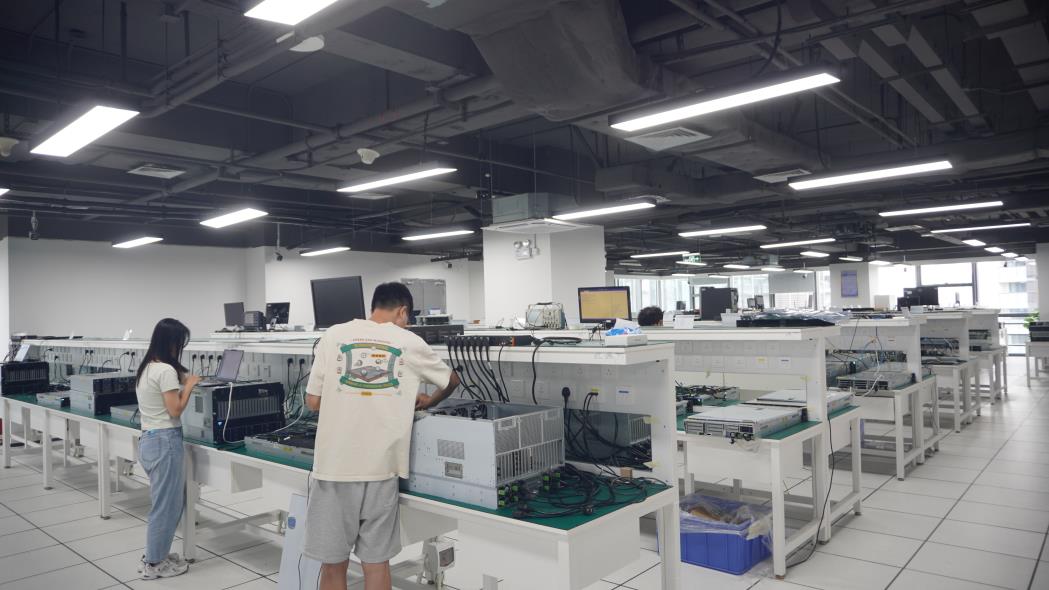
Quality control is central to operations. Neuralinko implements rigorous testing procedures at every stage, including incoming material inspection, in-process quality monitoring, system burn-in testing, performance benchmarking, thermal profiling, and final product verification. A dedicated team of 42 experienced quality control inspectors ensures every server complies with international standards before shipment. Neuralinko also maintains long-term partnerships with over 1,200 supply chain partners, including key component suppliers and technology providers, ensuring consistent production capacity, competitive pricing, and reliable delivery times.
| Operational Metric | Standard Parameters & Capacity | Enterprise Value Delivered |
|---|---|---|
| QA Testing Protocols | Incoming material inspection, burn-in verification, thermal chambers, and benchmark validation. | Low field-failure rates and long-term hardware reliability in data centers. |
| OEM/ODM Scope | Custom chassis design, optimized GPU configuration, bios branding, and rack-level deployment. | Hardware customized to specific software setups and deployment requirements. |
| Supply Ecosystem | 1,200+ partner network including top tier component suppliers. | Stable component pricing and minimized supply chain disruptions. |
| Research & Innovation | 118 R&D engineers, resulting in 126 new system configurations introduced last year. | Up-to-date hardware setups that support the latest AI model requirements. |
Key technical specifications and industry advancements driving procurement decisions for international buyers.
International sourcing teams must balance costs with strict performance requirements. Key procurement criteria include:
The server and graphics hardware industry is evolving to keep pace with changing AI computational demands:
High-end network switches, high-durability enterprise solid-state drives, and secondary computing nodes optimized for enterprise-grade data clusters.
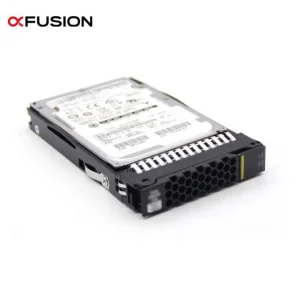
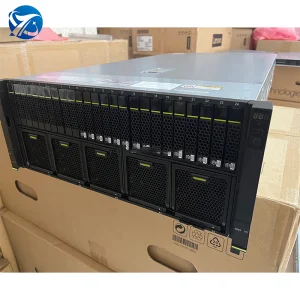
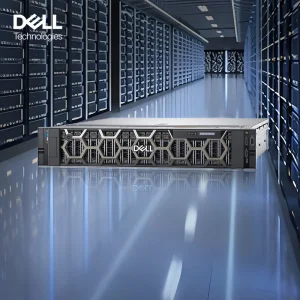
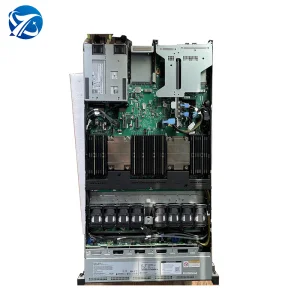
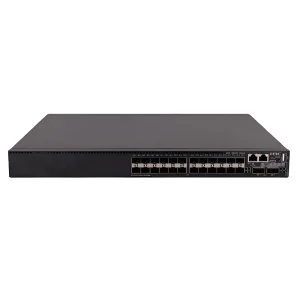
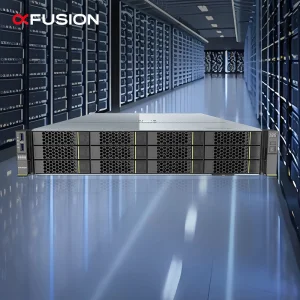
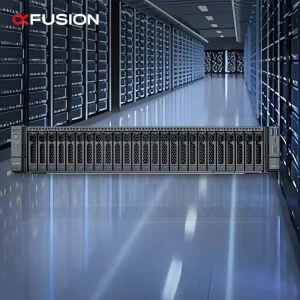
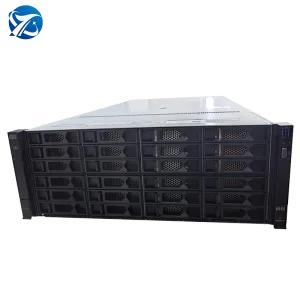
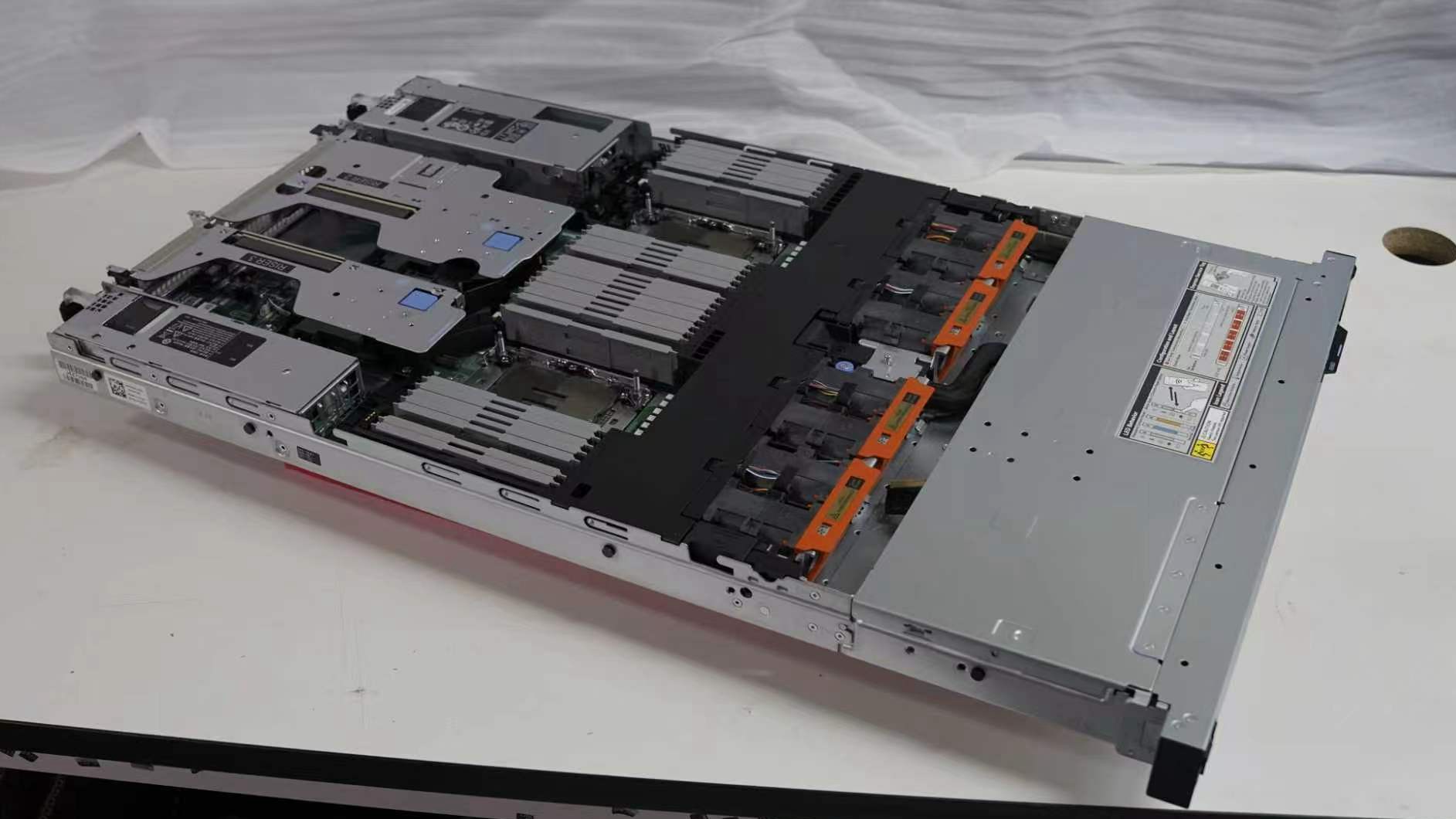
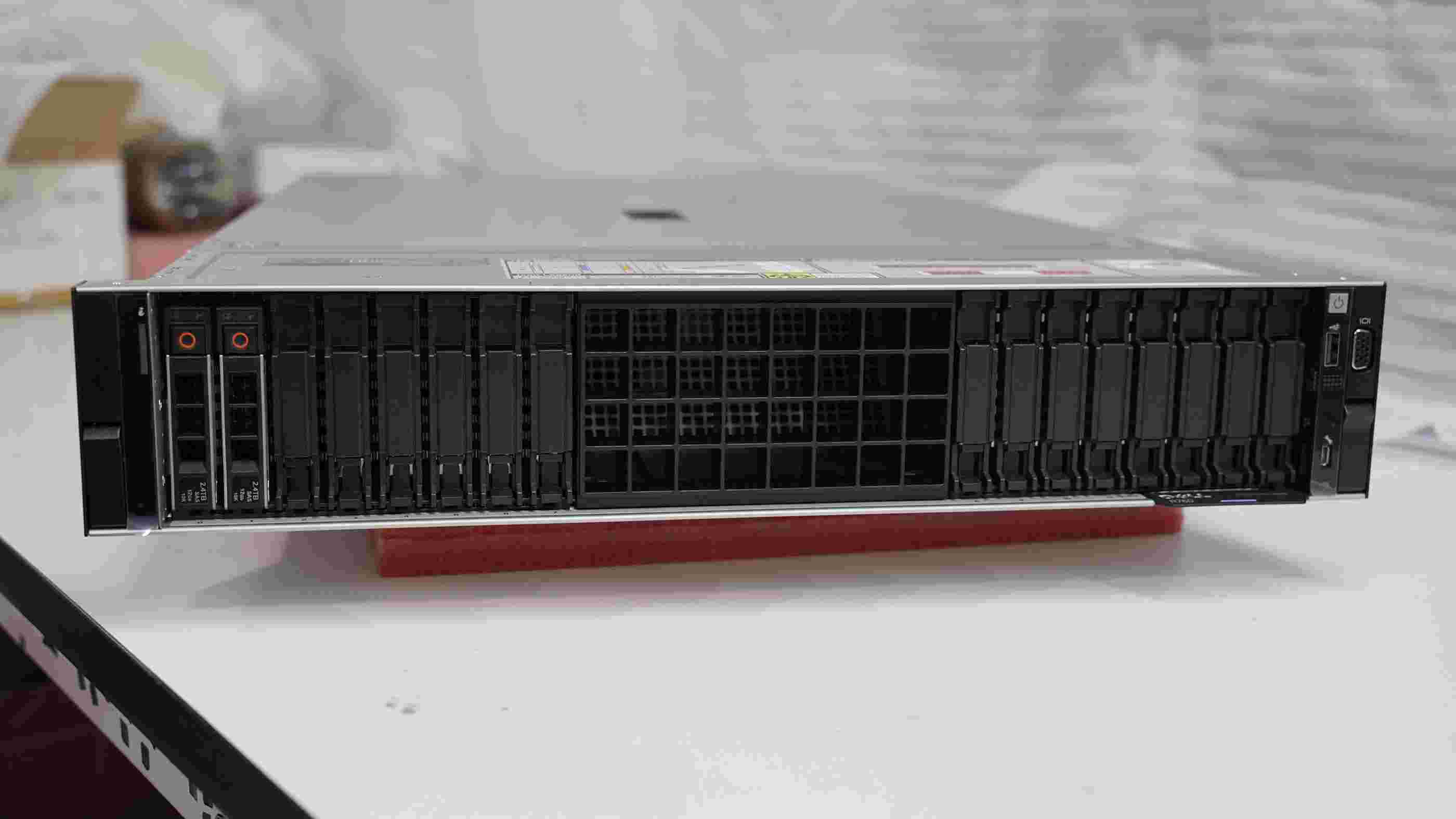
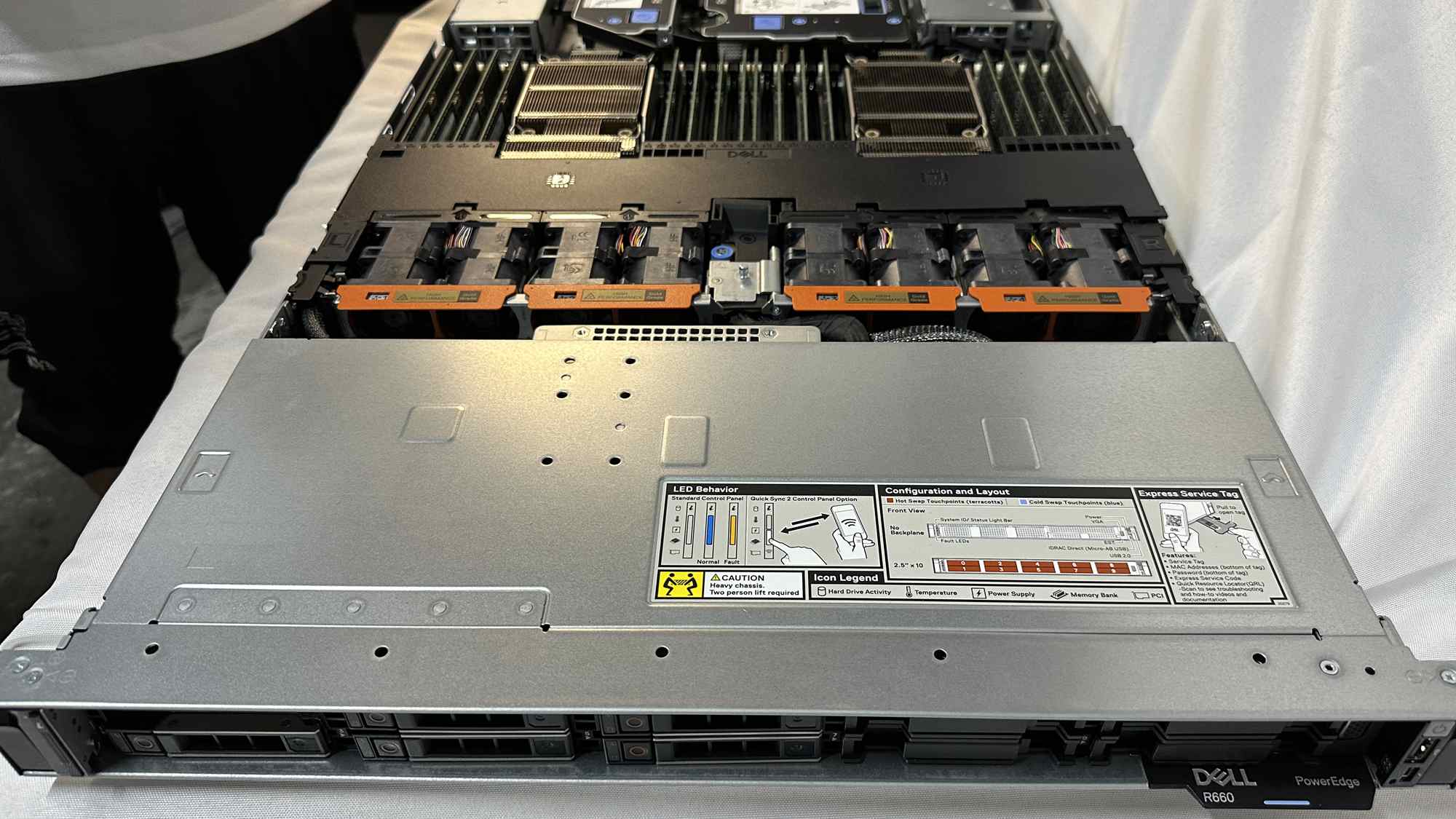
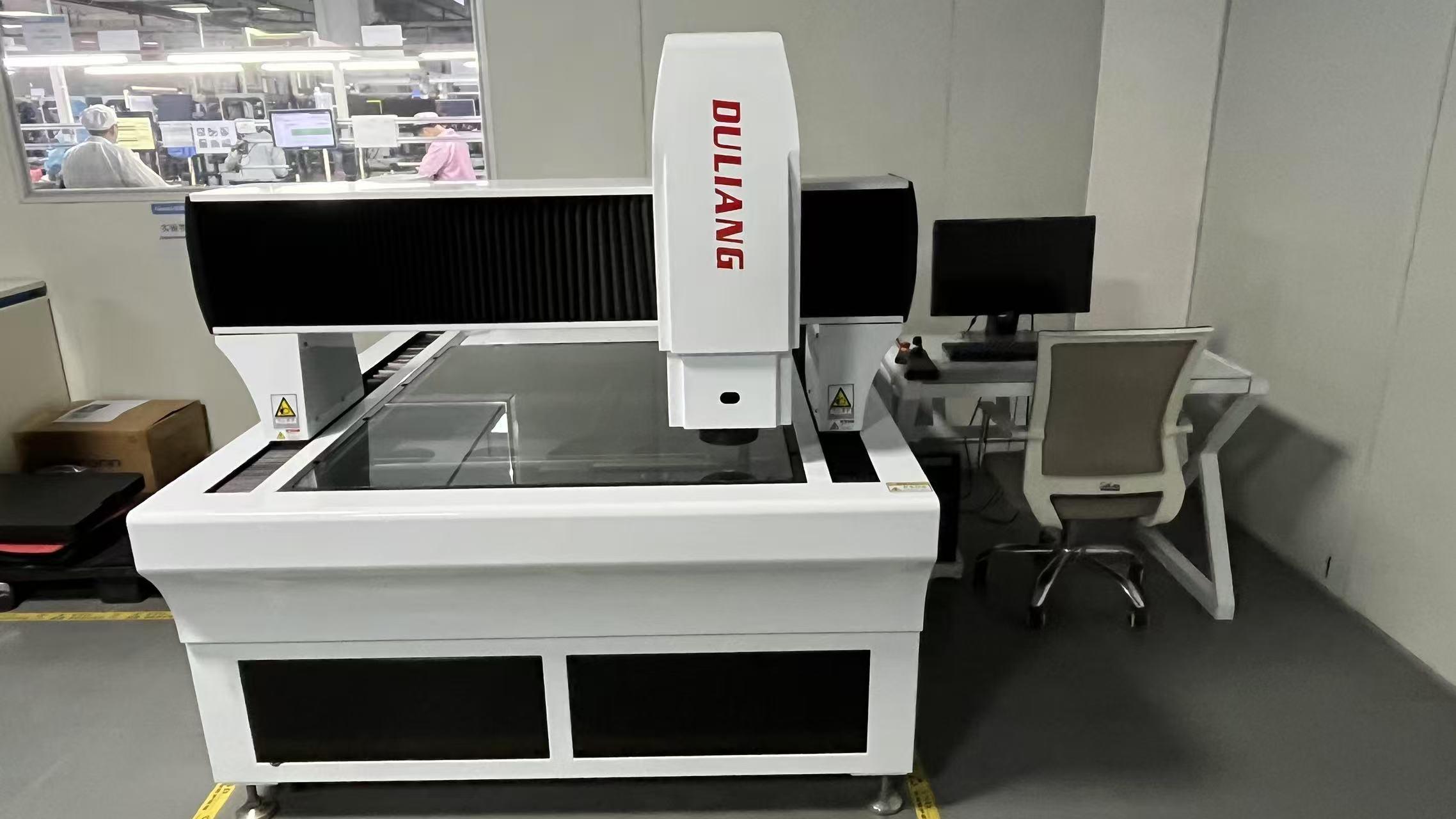
Inside the production and quality-control labs where hardware configurations are assembled, tested, and certified for export.
Expert answers addressing compatibility, global shipping standards, customization options, and thermal management for enterprise clients.
Every server is put through a series of tests to verify stability. This includes incoming component inspection, system burn-in testing under full compute loads for 24 to 72 hours, thermal profiling in environmental chambers, and diagnostic sweeps of the PCIe lanes. This testing helps minimize the risk of hardware issues upon deployment.
Yes, full OEM and ODM services are available. This includes custom metal chassis configurations, custom BIOS branding, pre-configured IPMI parameters, and custom physical packaging. These adjustments ensure the hardware integrates directly with your existing infrastructure and matches your branding.
Thermal regulation is handled through specialized system designs, including high-static-pressure cooling fans, custom wind-tunnel ducts, and copper heat sinks. For high-density systems, factories also support hybrid cooling setups and liquid-to-air heat exchangers to maintain stable operational temperatures under heavy workloads.
Standard manufacturing and system integration lead times range from 3 to 6 weeks, depending on component availability and specific customization requirements. Collaborative planning with over 1,200 supply chain partners helps secure components early, minimizing delay risks for large deployments.
Exporters manage shipping risks by using heavy-duty, anti-static wooden crate packaging and partnering with experienced international freight forwarders. All shipments include proper HS classification codes, declaration documents, and certificates of origin to facilitate smooth clearance at destination ports.