Neuralinko Neuralinko

Industrial Data Resilience & Processing

China Wholesale Backup Solution Manufacturer & Suppliers

Neuralinko Intelligent Technology Co., Ltd.

A professional AI server manufacturer specializing in high-performance GPU servers, AI computing infrastructure, and customized data center solutions for global enterprises.

8+
Years Industry Experience
118
R&D Engineers
$18M+
Annual Export Revenue
1,200+
Supply Chain Partners

The Global Landscape of Enterprise Backup Solutions & Data Infrastructure

In the era of hyper-scale artificial intelligence models and high-performance computing (HPC), data has transitioned from a passive business record into an active enterprise asset. The exponential growth of LLMs (such as DeepSeek and GPT variants) demands massive hardware pipelines not just for training, but also for ongoing model state preservation, checkpointing, and raw vector database backups. High-availability backup solutions are no longer optional administrative utilities; they are the absolute baseline of business continuity.

Global enterprise backup demands are undergoing a structural shift. Legacy tape systems and slow mechanical disk arrays are unable to keep pace with modern Recovery Time Objectives (RTO) and Recovery Point Objectives (RPO). Contemporary organizations require active-active failovers, high-density Network Attached Storage (NAS) configurations, and high-performance GPU-integrated backup clusters. These systems must support massive parallel read-write pipelines over PCIe interfaces and handle structured and unstructured data with near-zero latency.

Ultra-Low Recovery Latency

Transitioning from mechanical storage tiers to NVMe-hybrid backup targets minimizes recovery intervals, securing mission-critical workloads.

AI Model Checkpoint Preservation

Deep learning workloads depend on frequent write cycles. Efficient hardware backup cards prevent data corruption during power interruptions.

Regulatory Compliance & Vaulting

GDPR, HIPAA, and national security data frameworks demand immutable, encrypted, and structurally air-gapped backup hardware setups.

The Synergy of China's Manufacturing Efficiency & Supply Chain Ecosystem

Sourcing enterprise backup servers and high-speed network arrays from a specialized China manufacturer like Neuralinko Intelligent Technology Co., Ltd. grants direct access to the world's most dense IT hardware cluster. Located in Shenzhen, the heart of global electronic manufacturing, Neuralinko leverages an unmatched component supply chain containing more than 1,200 verified partners.

This industrial proximity translates into significant competitive advantages for worldwide procurement managers:

  • Rapid Prototyping & Customization: Neuralinko's team of 118 R&D engineers can modify server chassis layouts, motherboard components, thermal sinks, and custom RAID controller parameters in a fraction of the time required by Western system builders.
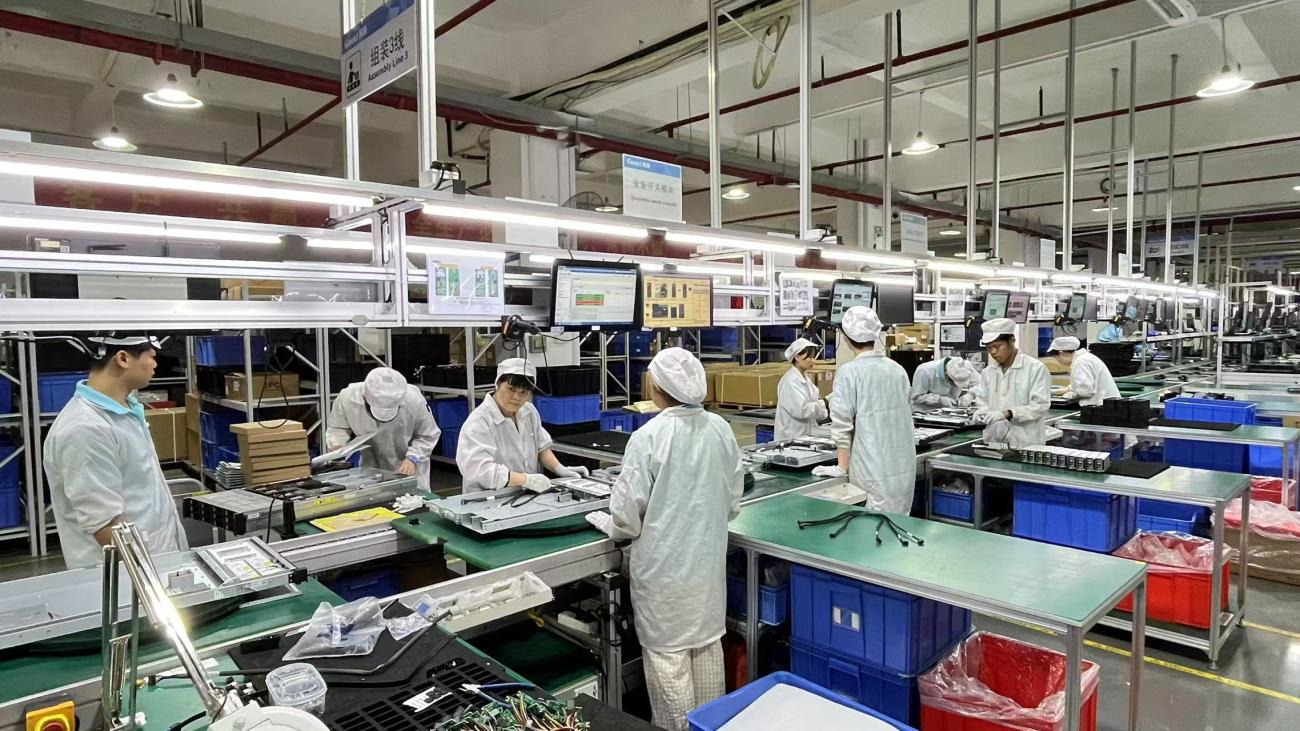
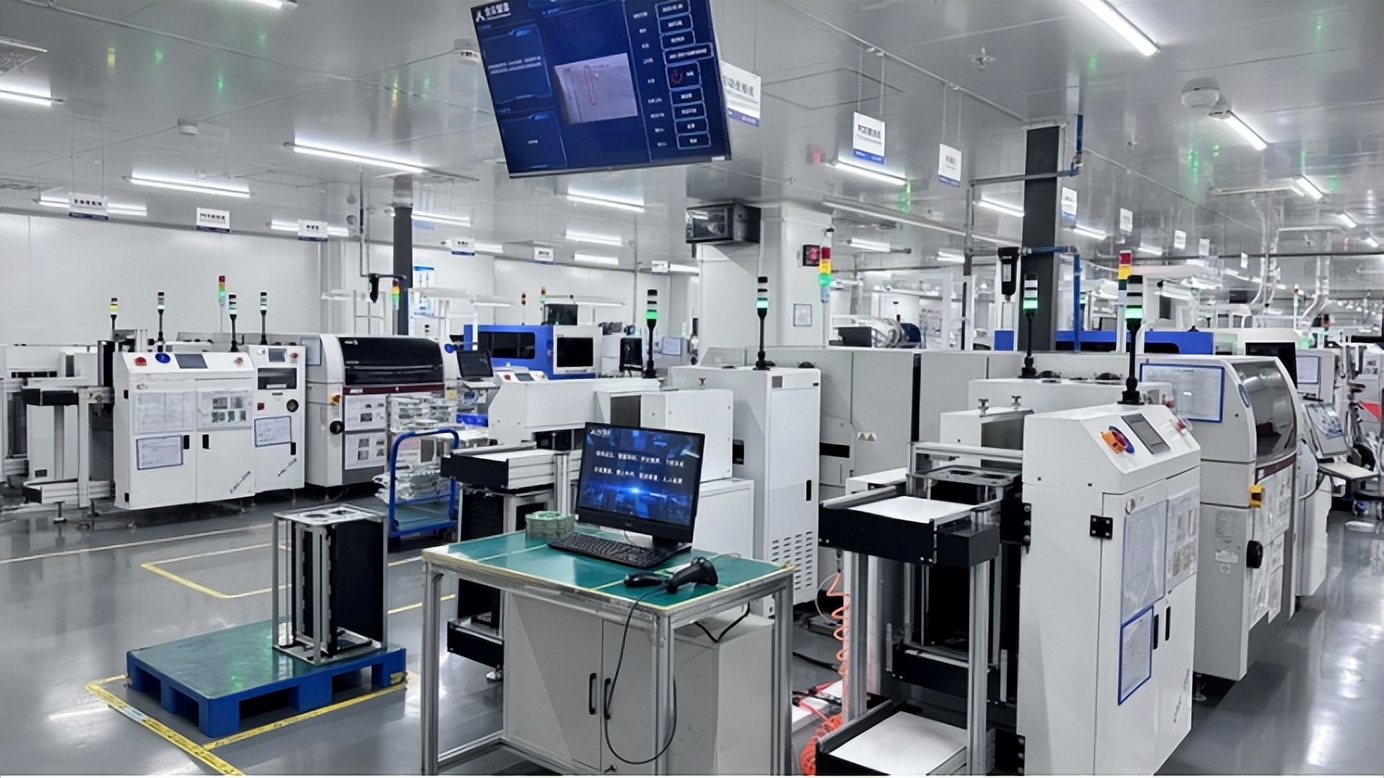
  • Unrivaled Cost Efficiency: Advanced production line management, specialized assembly procedures, and component localization reduce total cost of ownership (TCO) without compromising on build quality or international performance standards.
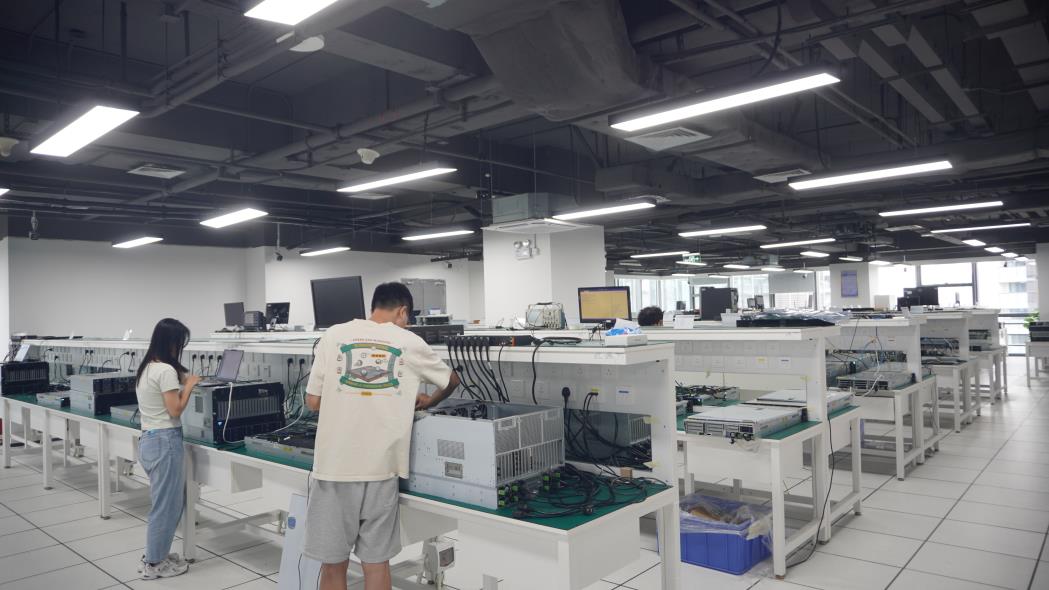
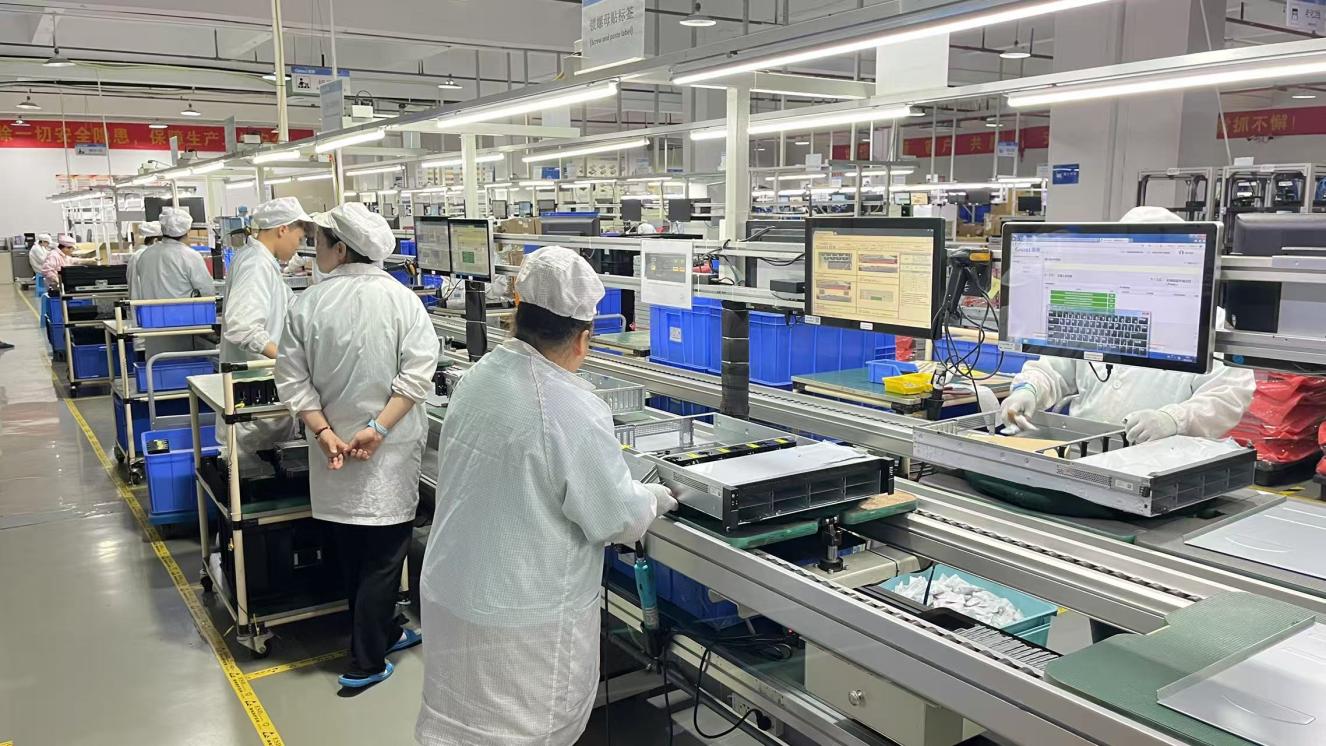
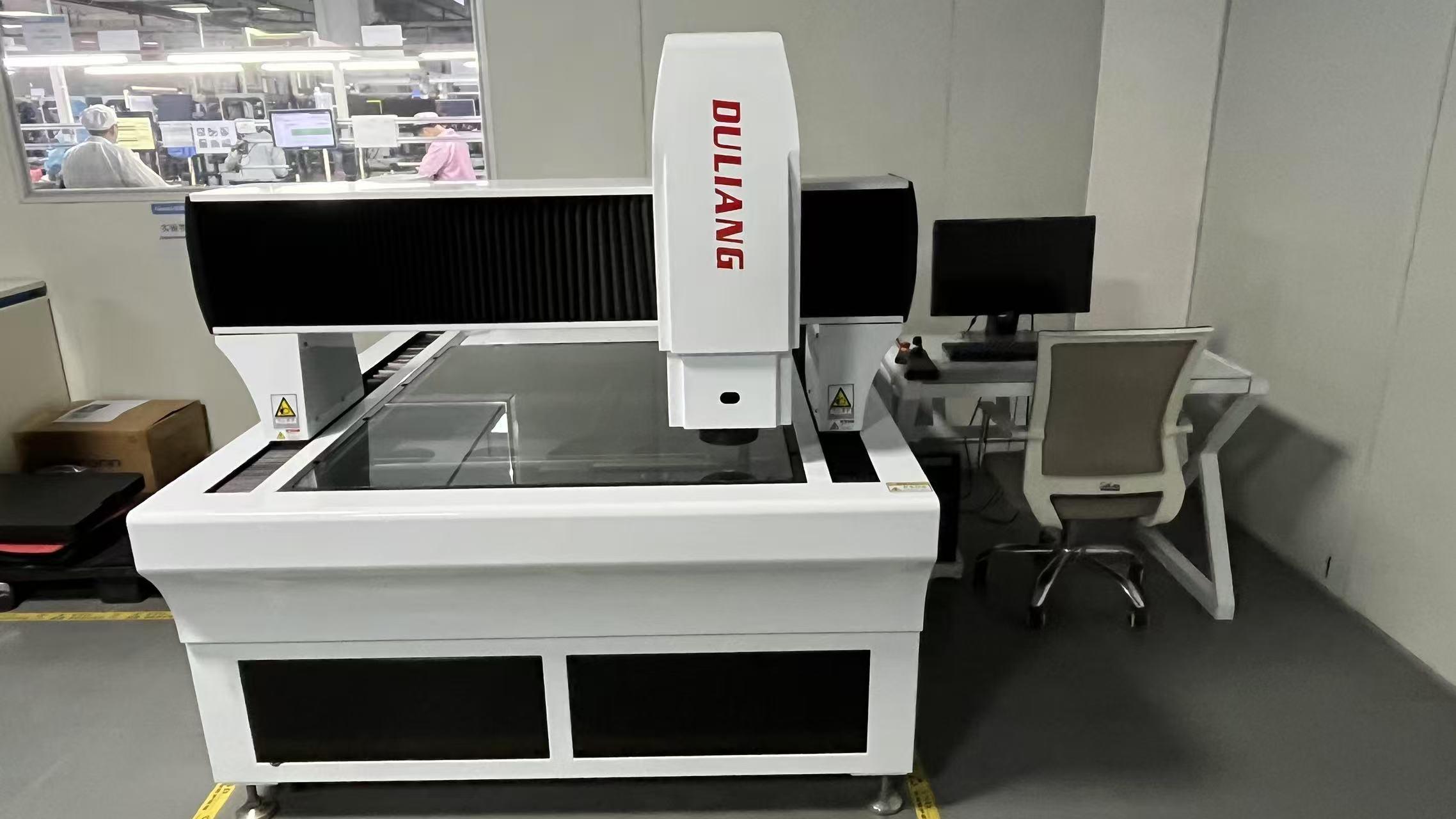
  • Strict Quality Safeguards: Our engineering processes integrate a dedicated quality assurance framework managed by 42 specialized inspectors. Raw incoming materials undergo testing, systems are subjected to intensive burn-in, and custom setups are run through extreme thermal and performance stress benchmarks before shipping.

Localized Application Scenarios of Modern Backup Solutions

To deliver high information gain, we must analyze the direct deployments where enterprise backup hardware operates. Different workloads demand specific configurations to maintain uptime and ensure zero loss.

1. GPU Clustered Training Checkpointing

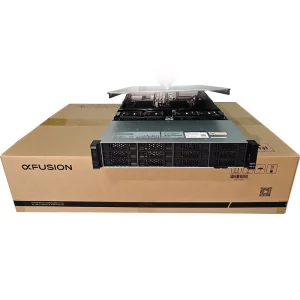
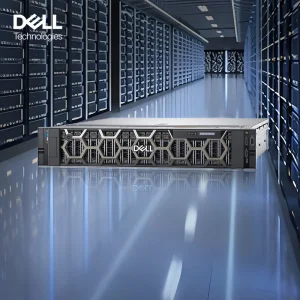
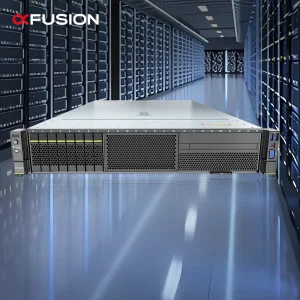
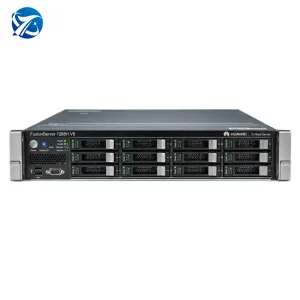
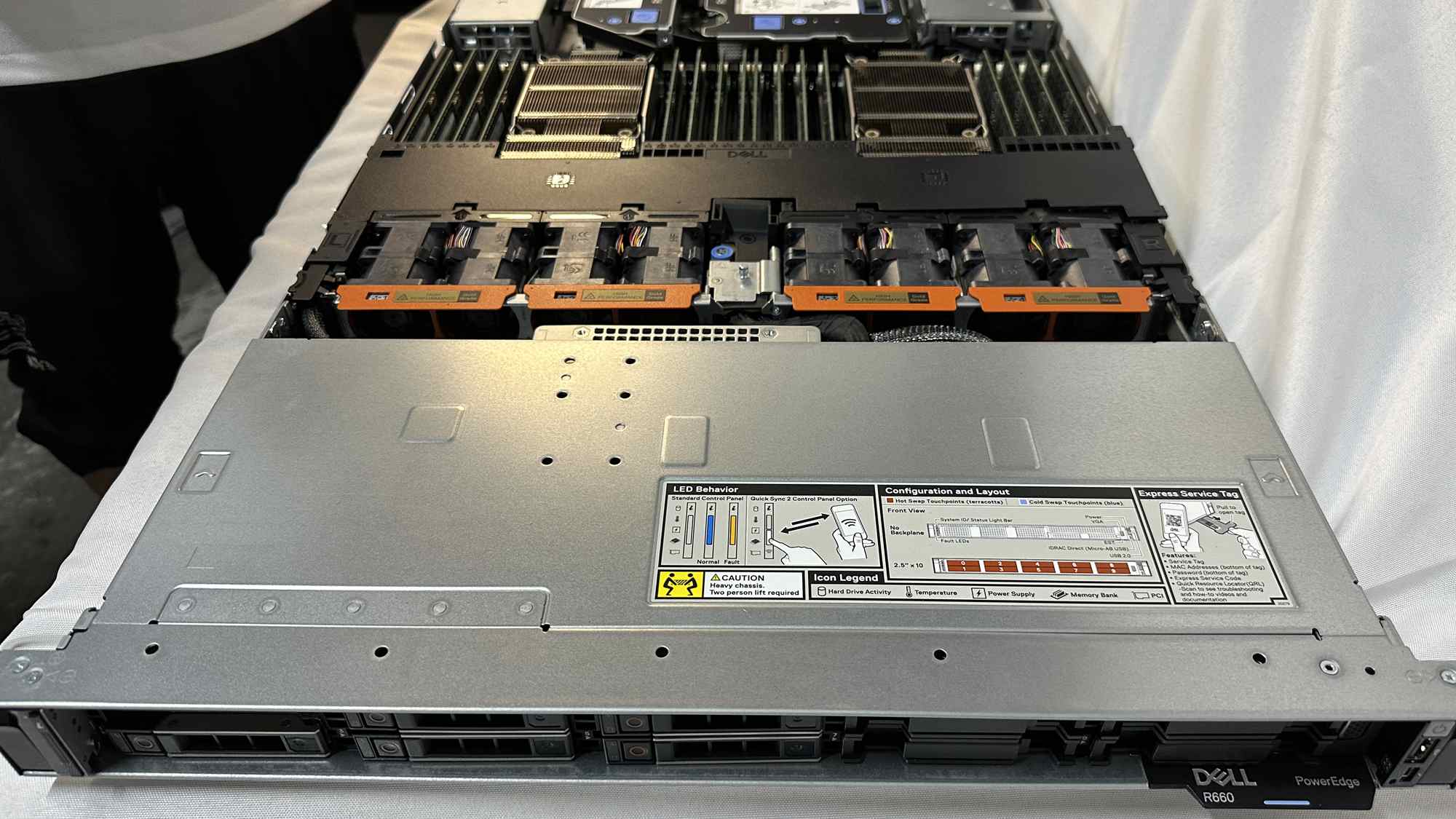
In AI training environments, GPUs write their model weights to storage at fixed intervals. If a crash occurs, training resumes from the last saved state. High-bandwidth 2U rack servers equipped with PCIe Gen 4/5 SSD arrays (such as the EP600 Series) enable ultra-fast checkpointing without stalling GPU computation cycles.

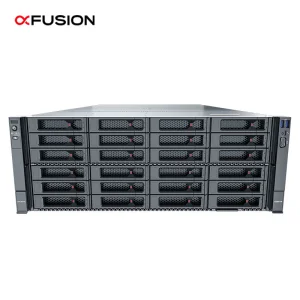
2. Large-Scale Corporate NAS & Hot Storage Vaults

Global corporations require centralized, secure network architectures. Utilizing multi-socket rack systems combined with high-caching RAID array controller cards (e.g., the XC470C-M-8i) guarantees that parallel database updates are safely written to non-volatile cache before committing to physical flash storage, preserving file integrity during power cuts.

3. Virtualization & Hybrid Cloud Synchronization

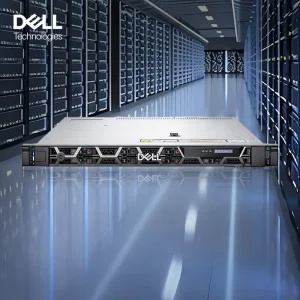
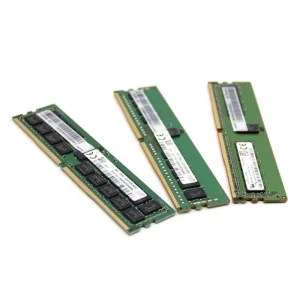
Modern data centers run thousands of virtual machines (VMs). 1U and 2U rack servers paired with massive system memory (such as DDR4 and DDR5 ECC RAM modules) host the hypervisors, while local high-speed NAS targets manage deduplicated incremental backups, pushing daily snapshots to public cloud services seamlessly.

Industry Trends: The Future of Enterprise Data Security Hardware

The backup solution architecture industry is undergoing rapid technical evolution. Hardware developers are shifting away from standalone storage silos toward unified, compute-adjacent data repositories:
  • Hardware-Level Immutable Storage: Protects backup blocks from ransomware modification at the physical firmware layer. Once written, data sectors are locked for a predefined period.
  • AI-Driven Preventive Drive Analysis: Servers monitor write rates, temperature cycles, and error logs using local telemetry data. System controllers identify impending SSD or HDD failures before data loss occurs.
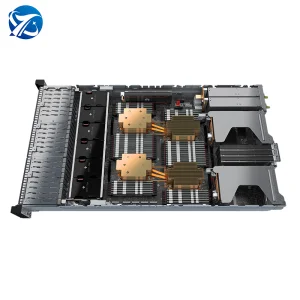
  • Thermal Optimization & Green Data Infrastructure: With rising cooling demands in data facilities, storage units are incorporating liquid cooling loops and advanced heatsinks to support sustained maximum throughput.

Strategic Procurement Guidelines for Enterprise Buyers

When purchasing high-density server configurations or storage components, decision-makers must evaluate three primary hardware metrics to balance upfront capital expenditure (CAPEX) with operational stability (OPEX):

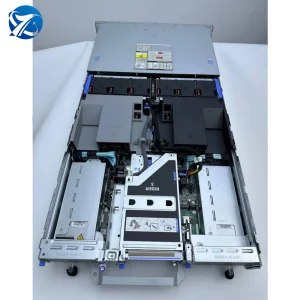
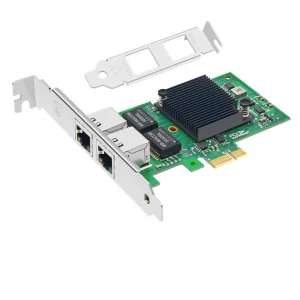
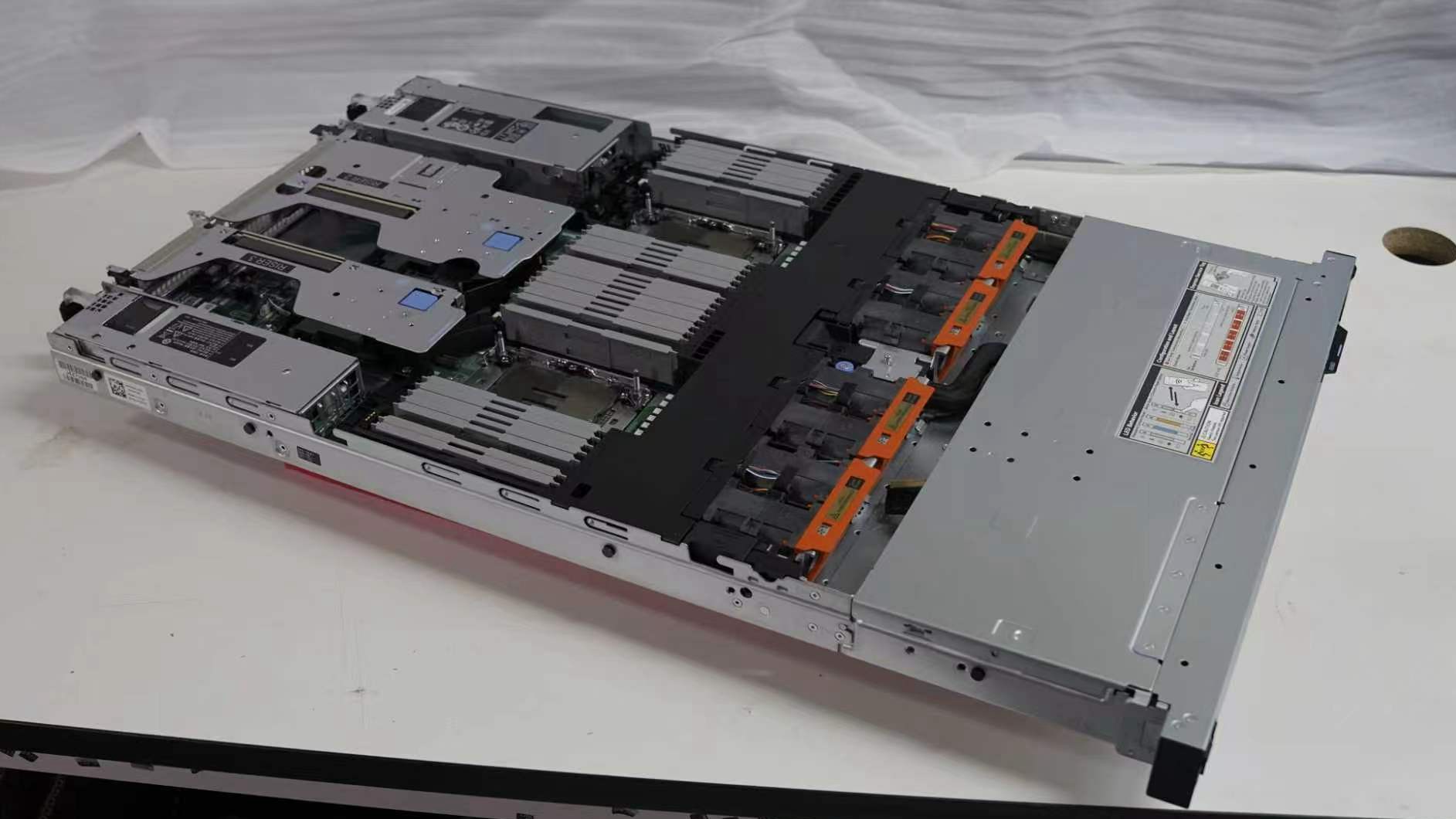
First, redundancy systems must be evaluated at every level. Modern storage chassis require redundant power supplies (such as dual 900W or 1600W hot-swap power blocks) and multi-channel system cooling fans to maintain server uptime. Second, expansion slot capacity determines the system's long-term utility. Rack platforms must offer sufficient PCIe slots to support high-speed network interfaces (like 100GbE cards) and hardware RAID controller modules with independent backup caches.

Third, vendor reliability ensures consistent long-term operations. Neuralinko backs its enterprise shipments with certified testing procedures. Each server is subjected to comprehensive component checks, environmental simulation testing, and hardware burn-in cycles, protecting systems from early-life failure stages.

Frequently Asked Questions (FAQ) - Enterprise Storage & Hardware

Q1: How do hardware-based RAID arrays compare to software-defined storage solutions?
Hardware RAID systems, powered by controller cards like the XC470C-M-8i with dedicated cache, offload all parity calculation tasks from the main CPU. This design preserves processing resources for host workloads and applications. Integrated write cache, backed by supercapacitor protection modules, ensures cache memory is flushed to non-volatile storage during sudden power drops, preventing file system corruption.
Q2: How does Neuralinko handle custom hardware integrations and BIOS profiles?
We provide complete OEM and ODM customization services. Our team of 118 engineers can adapt chassis components, thermal designs, storage configurations, and system interfaces to meet your specifications. We also offer tailored BIOS, IPMI management configurations, and custom product branding to align with your organization's deployment requirements.
Q3: What testing protocols are used to verify server stability?
Every system undergoes a rigorous testing process directed by our 42 quality control inspectors. The workflow includes initial hardware inspections, intensive sub-assembly checks, environmental stress tests, and performance benchmark validations. This thorough verification process ensures that each server meets high enterprise-grade standards prior to packaging and transport.
Q4: Why are NVMe PCIe storage arrays preferred over SATA platforms for enterprise backup?
NVMe modules connect directly to the CPU via high-speed PCIe lanes, removing the performance limitations of legacy SATA controller interfaces. This design improves throughput and interface bandwidth. For recovery operations, this architecture minimizes RTO times, enabling organizations to restore critical services quickly.
Q5: What is the typical lead time for custom batch orders?
Standard configurations are prepared for shipment within 7 to 15 business days, depending on components inventory. Custom ODM hardware requests requiring unique chassis runs, specialized power systems, or modified layouts are processed on a tailored timeline, usually shipping in 30 to 45 days.
Q6: How do Neuralinko servers manage power and thermal efficiency?
Our configurations use highly efficient hot-swap power supplies and smart fan arrays that adjust speed dynamically based on internal temperature sensors. The physical layout of our chassis is optimized to route airflow directly over processors, memory slots, and high-density storage drives, keeping system temperatures low under sustained workloads.

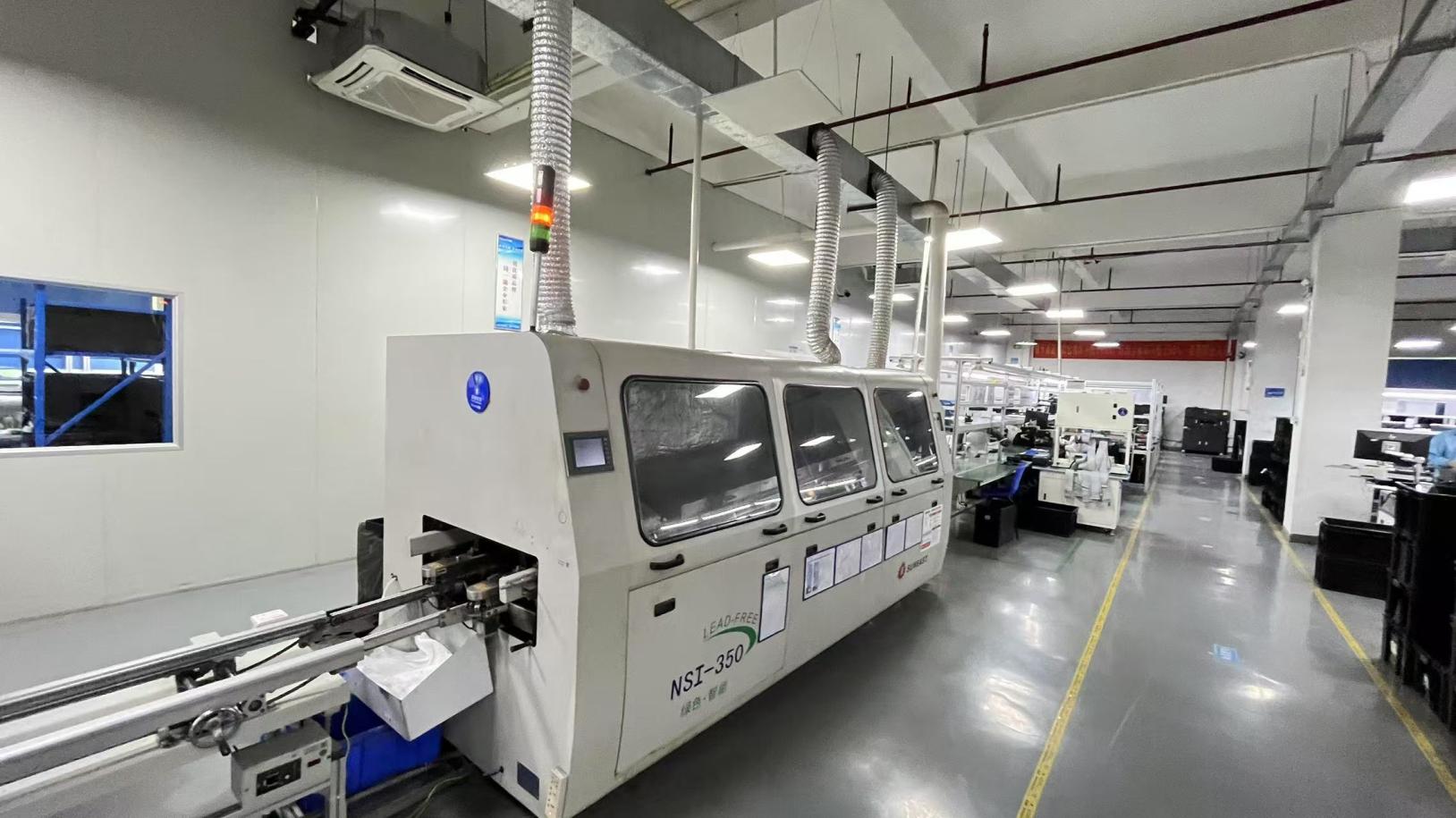
Our 386㎡ engineering facility is configured for server assembly, quality verification, and testing, supporting our partner network and global deployment requirements.